
Reviewed · VIKING HISTORY TOURS
Stockholm Viking History Full Day Tour to Sigtuna + Uppsala
The most rewarding part of this day is seeing real runestones and burial sites in the countryside, rather than learning about the Viking Age only in a museum. You walk across a partly rebuilt Viking bridge, stand at an old assembly site, and visit the grave mounds at Old Uppsala.
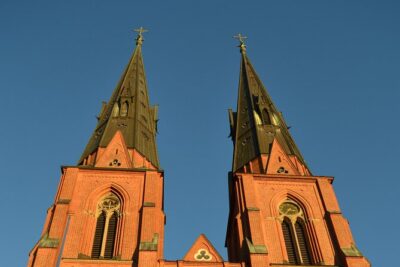
I like the range of the day. Sigtuna adds narrow lanes and church ruins, while Uppsala brings a working city and the enormous Uppsala Cathedral. I also like the strong guide-led format. Guides including Åsa, an archaeologist and university teacher, and Olof, Calle, Carl, Gabriel, and Urban have been praised for clear explanations, humor, and lively storytelling.
The tradeoff is time. You cover six major historic places in roughly eight to nine hours, so most stops are focused rather than leisurely. The $266 price also excludes food and entry fees, which makes this a better choice for serious history fans than for anyone seeking a cheap sightseeing ride.
Key things to know before you go
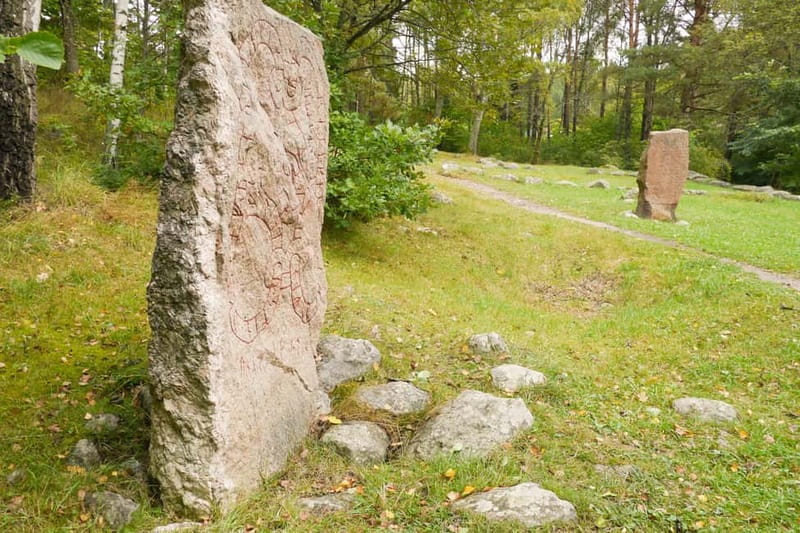
- Broby Bridge reveals two sides of Viking burial customs: You see both a pagan burial ground and an early Christian site from the period of religious change.
- Jarlabanke’s Bridge is more than a photo stop: Its runic inscription opens a window onto power, family, and public works in Viking Sweden.
- Sigtuna is Sweden’s oldest town: The guided walk brings you through medieval ruins, wooden buildings, and small lanes.
- Old Uppsala’s grave mounds are huge: The three mounds rise about 11 meters and mark one of Sweden’s key early historic sites.
- The day mixes countryside and city sights: You move from rural monuments to Uppsala Cathedral, the largest church in the Nordic countries.
- The guides are a major part of the value: The strongest feedback centers on guides such as Åsa, Calle, Olof, Carl, Gabriel, and Urban.
Why this Stockholm day trip works
Stockholm is a fine base for Swedish history, but the most important Viking sites near the capital sit outside the city. This tour links them without asking you to work out regional buses, local connections, and rural walking routes on your own.
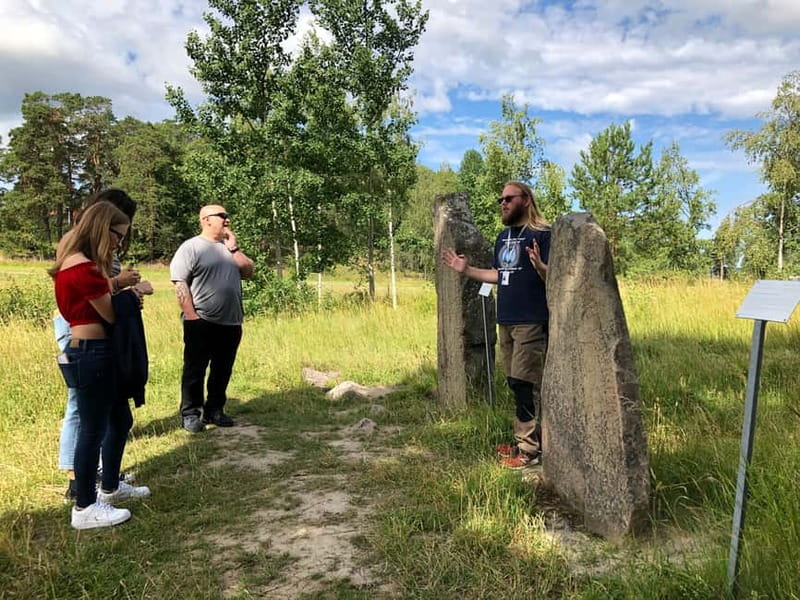
You spend much of the day in a comfortable vehicle, with the guide talking during the drives and at the stops. That matters because the sites are often simple: a stone, a mound, a bridge, or an open field. Without context, some can look modest. With a good guide, the same places become evidence of law, family power, trade, burial, and the slow move from Norse religion to Christianity.
The route is also well judged for a single day. You start with Viking sites around Stockholm County, visit Sigtuna around midday, then continue to Uppsala and Old Uppsala before returning to Stockholm. It is a full day, but not a day spent in one long museum corridor.
Pickup is available within 3 kilometers of Stockholm Central Station, including hotel pickup and drop-off. Cruise pickup is also offered, except for arrivals at Nynäshamn. The tour runs in all weather, so you need shoes and clothing suited to outdoor stops.
Other small towns within reach of Sweden:
- Viking History, Runes & Countryside 9h Tour to Sigtuna & Uppsala
★ 4.5 · 283 reviews - Viking History and Swedish Countryside Tour to Sigtuna & Uppsala
★ 4.5 · 162 reviews - From Stockholm: Uppsala and Sigtuna Viking Sites Tour
★ 4.7 · 157 reviews
Broby Bridge and the story of Estrid
Broby Bro, also called Broby Bridge, is one of the most important early stops. You spend about 40 minutes here with time for a guided visit, photos, and views across the surrounding countryside.
The burial ground helps explain a major change in Swedish society. You learn about a pagan burial and an early Christian burial from the transition period between old Norse belief and Christianity. That contrast gives the tour a useful human scale. Religious change was not just a royal decision or a date in a textbook. It affected how families buried their dead and how communities remembered them.
This is also where you hear about Estrid, a powerful Viking woman. Her story gives the tour more balance than the usual battle-focused Viking tale. The day is not only about raiders and kings. It also considers family networks, status, memory, and the people who built influence at home.
The stop is outdoors and relatively short. You will not find a large visitor center or a long indoor exhibition here. The value comes from the guide’s explanation and the physical setting, so listen closely and allow time for uneven ground.
Jarlabanke’s Bridge and a public display of power
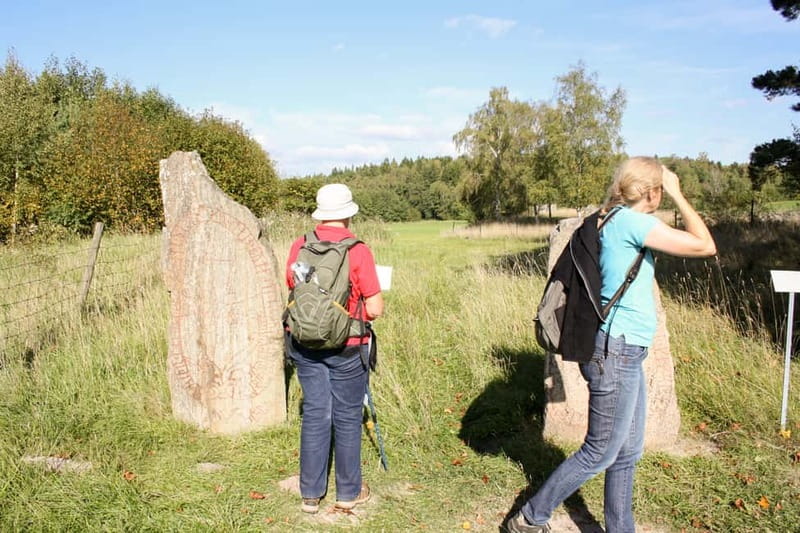
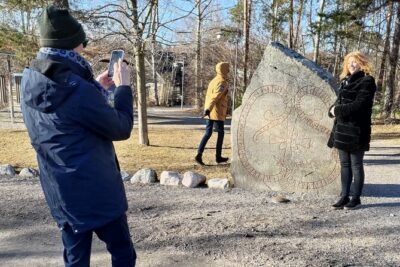
At Jarlabanke’s Bridge, you see and walk over a partly reconstructed Viking bridge. The visit lasts about 40 minutes and includes a guided explanation of the unusual runic inscription connected with the site.
A bridge may sound less dramatic than a burial mound, but it tells you something important about Viking society. Building and maintaining a bridge required labor, money, and authority. A runestone near it could announce who paid for the work or who wanted to be remembered. In other words, this was public messaging in stone.
The reconstructed bridge also makes the site easier to understand. You do not merely look at a broken remnant from a distance. You get a sense of scale and can imagine how a route through the area might have worked.
This is a good stop for anyone who wants more than legends about Viking ships. The guide connects the stone to social rank, family groups, travel, and the way people used visible projects to show influence.
Arkil Assembly site and Viking law
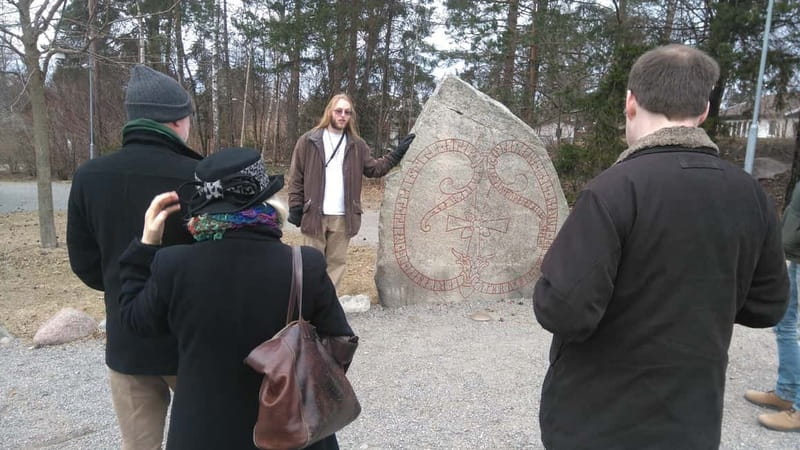
The Arkil Assembly site, known as Arkils Tingstad, is another 40-minute stop. Here the subject shifts from graves and monuments to government.
The site is presented as a Viking assembly place, sometimes described as a Viking parliament. You learn how local laws were discussed, how disputes could be settled, and how kin groups shaped Viking society. That is one of the strongest parts of the tour because it challenges the simple image of Viking life as disorder and violence.
The assembly site helps explain how communities made decisions before modern state institutions. Family ties mattered. Reputation mattered. Public discussion mattered. The guide also explains how disputes could be resolved within the framework of Swedish history.
Again, this is an outdoor site with limited physical remains. Its meaning comes from the setting and the storytelling. If you enjoy social history, law, and daily life, you may find this stop more interesting than a standard monument photo.
More Viking-age Sweden:
- Stockholm: The Viking Museum Exhibition and Viking Ride
★ 4.5 · 667 reviews - Entrance ticket to The Viking Museum
★ 4.0 · 301 reviews - Viking History Small Group Tour from Stockholm: Half Day Including Sigtuna
★ 4.5 · 111 reviews - From Stockholm: Viking Culture Guided Tour with Transfer
★ 4.5 · 81 reviews
Sigtuna, Sweden’s oldest town
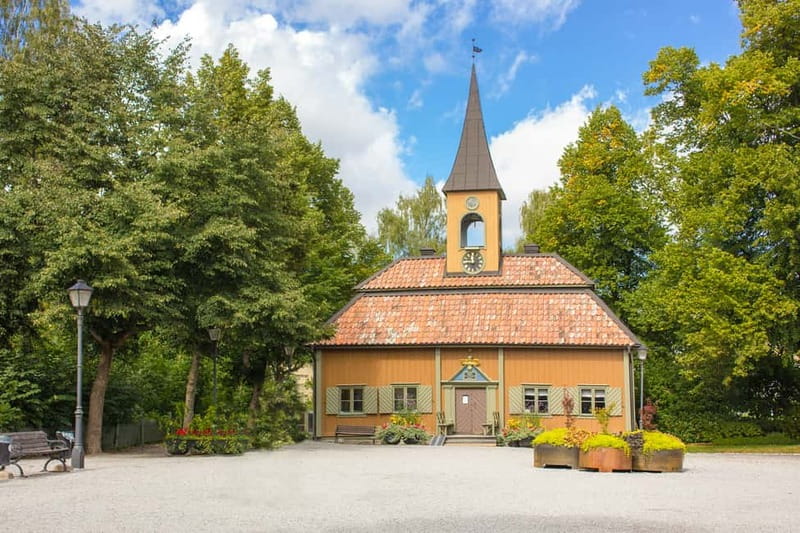
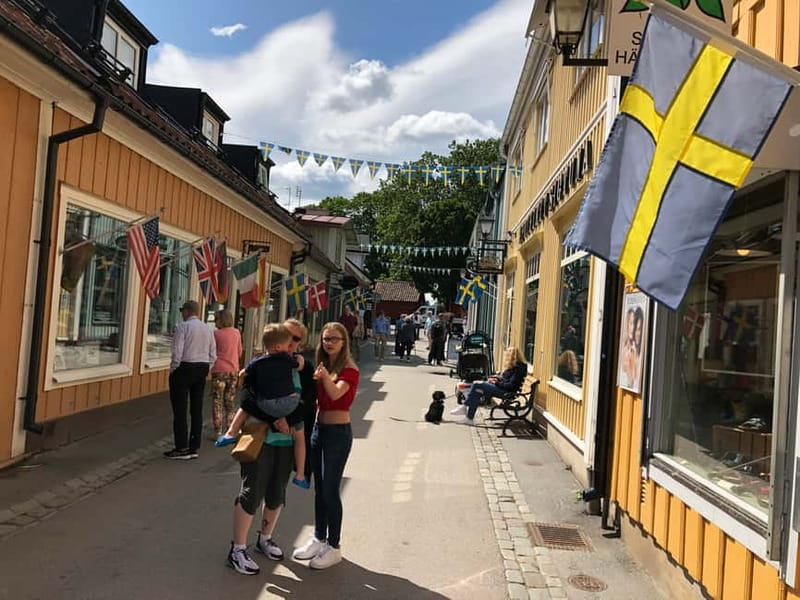
You spend about 100 minutes in Sigtuna, making it the longest stop of the day. That time includes a guided walk, sightseeing, photos, and a lunch break.
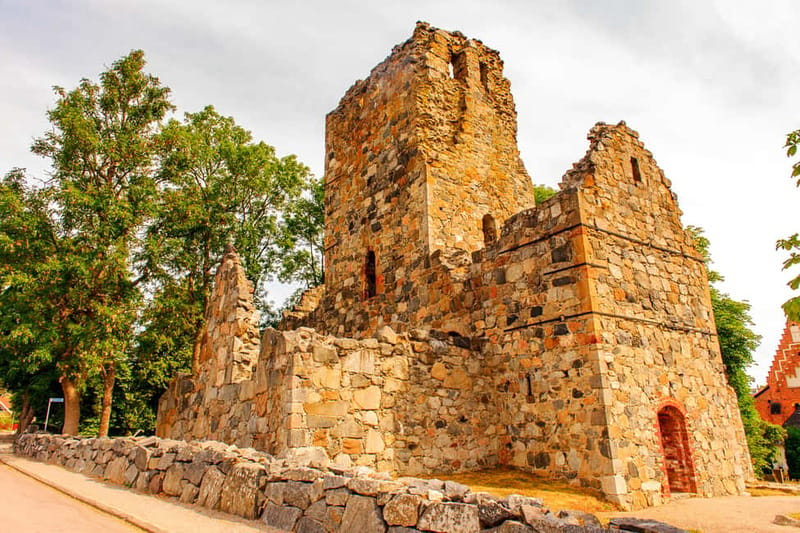
Sigtuna is known as Sweden’s oldest town, and it feels different from the rural Viking sites. You walk along small lanes among wooden buildings and several medieval church ruins. The town is also a popular weekend destination for Swedes, so it has a pleasant small-town character rather than the feel of a preserved archaeological field.
This is where the tour gives you a break from concentrated historical explanation. You can stretch your legs, look around, and have lunch. Food is not supplied, so plan to buy your own meal during the break. The information provided does not specify a particular restaurant or menu, so keep your expectations flexible.
I like Sigtuna because it connects the Viking period with later medieval Sweden. You are not seeing an isolated settlement frozen in one century. You are walking through a town that continued to develop, leaving layers of church ruins, timber buildings, and narrow streets.
The time is useful but not generous. If you want a slow café lunch, extensive shopping, and a detailed look inside every ruin, this stop may feel brief. If you want a well-paced introduction before continuing to Uppsala, it works very well.
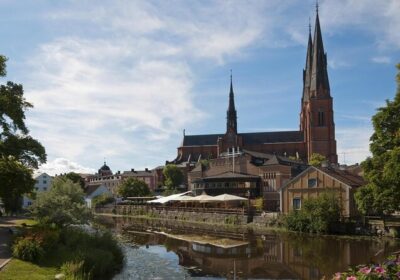
Uppsala Cathedral and the modern city
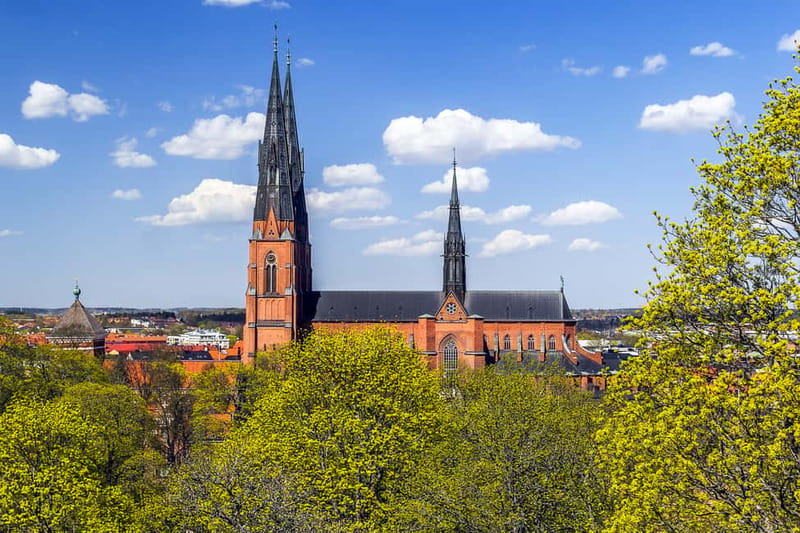
The route continues through Uppsala County before reaching Uppsala itself. The city portion includes a guided walk of about 30 minutes, followed by roughly 35 minutes inside or around Uppsala Cathedral.
Uppsala gives you a change of scale. After rural stones and burial grounds, you are back in a major Swedish city with a long religious and political role. The cathedral is the largest church in all the Nordic countries, making it one of the day’s most impressive buildings.
The cathedral stop is especially useful because it shows how later Christian institutions shaped the region after the Viking Age. You can compare the monumental church with the earlier burial and assembly sites from the morning. The tour does not present the Viking period as a sealed-off world. It shows how Sweden changed over centuries.
The city walk is short, so you should not expect a full Uppsala city tour. Instead, it gives you orientation and a taste of the center before the focus moves to Gamla Uppsala.
Old Uppsala and the three great mounds
Gamla Uppsala is one of the day’s major stops. You spend about 40 minutes here, visiting the famous grave mounds and hearing about the site’s long history.
The mounds date back about 1,500 years and rise roughly 11 meters. Their size makes the social order of the period easy to grasp. These were not ordinary graves in a quiet field. They were powerful symbols built to be seen.
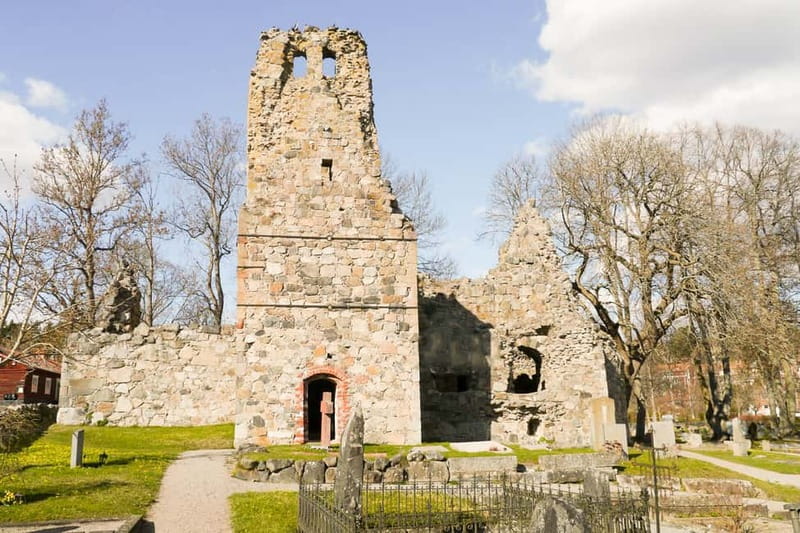
You also learn about the former medieval cathedral at the site. The combination of ancient mounds and later Christian remains shows how the same place could keep its importance while its religious meaning changed.
This stop benefits greatly from clear guiding. The mounds are visually striking, but the details about who used the site, why the burials mattered, and how the medieval cathedral fit into the story turn a short walk into a meaningful history lesson.
The visit is outdoors, and the tour operates in all weather. Bring a coat or rain layer if the forecast is uncertain. The itinerary involves limited walking overall, but you still need to move between outdoor monuments and city sights.
The café break and the rhythm of the day
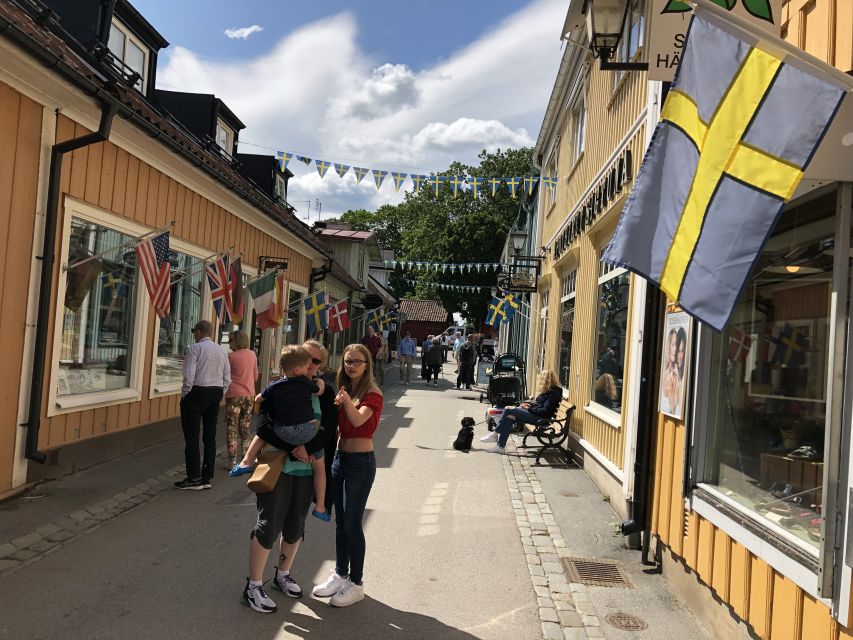
A local café stop of about 40 minutes gives you time for regional food, snacks, drinks, and a bathroom break. Since no food or drinks are included, budget for both lunch and this later pause.
The café break is practical, especially on a long day with several outdoor stops. It also keeps the schedule from becoming a nonstop sequence of historical facts. The day has enough pauses for drinks and snacks, which is helpful in cold weather.
The overall rhythm is one of the tour’s strengths. Each site lasts around 40 minutes, Sigtuna gets a longer visit, and Uppsala provides a mix of city walking and cathedral history. You are busy, but the route does not appear designed as a race from one monument to the next.
Guides, transport, and group style
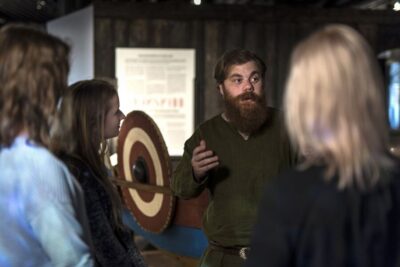
The guide can make or break a tour built around modest archaeological remains. The strongest guide names connected with this experience include Gustav, Carl, Calle, Olof, Åsa, Gabriel, Urban, and Bianca. Their praised qualities are clear English, humor, patience, and the ability to answer difficult questions without losing the group.
Åsa is described as an archaeologist and university teacher, which may appeal to you if you want academic detail. Calle is often associated with a friendly, funny approach and broad Swedish history. Olof and Carl are noted for clear explanations and easy conversation, while Gabriel is praised for making Viking culture understandable and entertaining.
Do not assume you will receive a particular guide unless the company confirms it. Still, the pattern is encouraging: the human side of the tour is treated as seriously as the route.
Transport is included, and the vehicle is described as comfortable and well heated. That matters in Sweden, where outdoor conditions can change quickly. Private groups are available, though the standard arrangement may include other people. The tour is in English.
Is $266 good value?
At $266 per person, this is not a budget excursion. The price makes more sense when you add up what is being handled for you: hotel pickup and drop-off, transportation across several sites, an English-speaking driver-guide, historical interpretation, and a full day outside Stockholm.
You still pay for food and any entry fees, so the final cost will be higher. The provided information does not list the exact entry charges, and some stops are outdoor sites that do not require a paid admission. You should ask about current fees if keeping to a strict budget matters.
I would call the value fair for someone who wants a focused Viking history day without renting a car or planning rural connections. It is less convincing for someone who mainly wants free time in Sigtuna or Uppsala. The tour sells access, transport, and explanation more than it sells unstructured leisure.
Who should book this tour?
I would recommend it to you if you have a real interest in Viking Sweden, runestones, early Christianity, burial customs, or the way local communities were governed. It also suits anyone spending several days in Stockholm who wants to see the countryside and two important historic towns.
Families can benefit from the variety. Children may respond well to the bridge, stones, mounds, and stories about Viking life, though the day includes a lot of listening. The limited walking helps older visitors, and one group even used the tour for a 90th birthday celebration.
I would hesitate if you want a relaxed sightseeing day with plenty of shopping, long meals, or free exploration. The route is full and the history is the focus. You should also be comfortable going outside in changing weather.
At $266, book it for the expert-led access and the chance to connect scattered sites into one story. Skip it if you prefer to explore at your own pace or already plan to visit Sigtuna and Uppsala independently.
FAQ
How long does the tour last?
The tour lasts about 8 to 9 hours, including pickup from Stockholm, visits to the historic sites, breaks, and the return journey.
Where does pickup take place?
Pickup is available within 3 kilometers of Stockholm Central Station. You should wait in your hotel lobby at the appointed time and look for a guide in a blue jacket with the Sweden History Tours logo.
Is cruise pickup available?
Yes, cruise pickup is available, except for arrivals at Nynäshamn.
Is food included?
No. The tour includes a lunch break and a local café break, but food and drinks are not included.
What language is the tour conducted in?
The live tour guide speaks English.
Does the tour operate in bad weather?
Yes. The tour operates in all weather, so dress appropriately for outdoor stops.
Can I book a private group?
Yes. A private group option is available.
More historical tours around Sweden
- Stockholm: Ghost Walk and Historical Tour
★ 4.7 · 2,206 reviews - The Original Stockholm Ghost Walk and Historical Tour – Gamla Stan
★ 4.5 · 1,165 reviews - Stockholm: Old Town Historical Walking Tour
★ 4.9 · 344 reviews - Stockholm: Sigtuna and Uppsala Viking History Day Tour
★ 4.7 · 41 reviews
Just added around Sweden
- Gothenburg: Alfie Atkins Cultural Centre Admission Ticket★ 4.2 · 12 reviews
- GOT Gothenborg Landvetter Airport: Vinga Lounge Access★ 3.5 · 52 reviews
- From Stockholm: Archipelago Hike to Landsort Lighthouse★ 5.0 · 26 reviews
- Stockholm: Sigtuna and Uppsala Viking History Day Tour★ 4.7 · 41 reviews
- Private Golden Hour Photo Walk in Stockholm★ 5.0 · 3 reviews
- Premium Aurora Snowmobile Ride With Panoramic Views★ 4.9 · 42 reviews
- From Abisko: Kärkevagge Valley & Trollsjön Lake Guided Tour★ 5.0 · 4 reviews
- Experience the majestic Auroras Kiruna-Abisko & lodge dinner★ 5.0 · 23 reviews
Viking History Tours, compared.
Viking History, Runes & Countryside 9h Tour to Sigtuna & Uppsala
Read our review →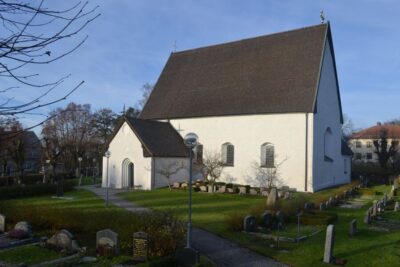
Viking History Small Group Tour from Stockholm: Half Day Including Sigtuna
Read our review →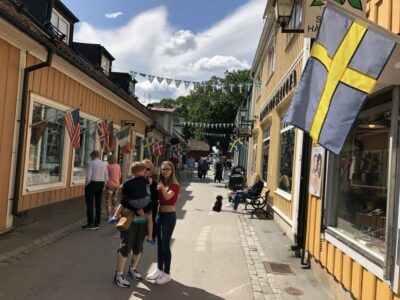
Full Day Viking Tour with Fika Swedish Coffee Break
Read our review →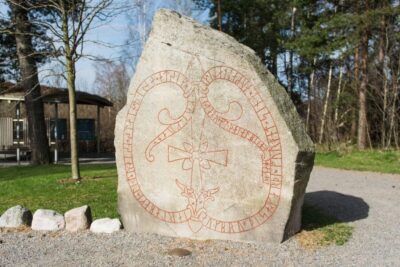
Browse the lists this tour appears in