
Reviewed · VIKING HISTORY TOURS
From Stockholm: Viking Culture Guided Tour with Transfer
The most rewarding part of this tour is that Viking history appears in real places, not behind glass. You walk through an ancient grave field, see rune stones in the countryside, and visit a thousand-year-old council site before ending in Sigtuna, Sweden’s oldest surviving town. The setting does much of the teaching.
I like the personal pickup and drop-off, which saves you from sorting out rural buses. I also like the guides’ broad approach: Gabriel, Eric, Calle, Charlotte, Nadia, and others explain Viking life while adding useful context about Swedish society and modern Sweden. The main drawback is that six hours can feel short, especially if you want a long visit in Sigtuna or extra time for photographs.
Key points to know before booking
- Broby bro reveals Viking burial customs: Walk among Iron Age and Viking Age graves, including the site linked with Estrid, a Christian-era woman identified from her skeleton.
- Jarlabanki’s Causeway shows Viking power in practical form: The 150-meter bridge offers a clear lesson in roads, communication, and status.
- The Viking council site puts politics on the ground: You see where local society was governed, rather than hearing only about kings and raids.
- Sigtuna is the scenic finale: Allow time for wooden streets, church ruins, the museum, and views across Sigtuna Bay.
- Your guide shapes the day: Guides including Gabriel, Eric, Calle, Olof, Charlotte, Nadia, and Quentin have been praised for clear explanations, humor, and patience with questions.
- The price buys convenience as well as interpretation: At $193 per person, this is not a cheap sightseeing ride, but hotel pickup, transport, and a full day of guided context make it useful for a first visit.
Why this tour gets beyond the Viking stereotype
Many visitors arrive in Sweden with an image of Vikings as raiders in horned helmets. This tour works better because it deals with ordinary life: burial customs, roads, power, religion, family, and local government.
The sites are not large attractions with rows of reconstructed buildings. Much of the value comes from your guide explaining what you are seeing. A low mound or weathered stone may look modest on its own. With the right explanation, it becomes evidence of how people lived and remembered their dead.
That makes this a good choice if you want more than a city tour but do not want to spend a full day at a museum. You get fresh air, countryside views, short walks, and several historical stops without having to arrange a car.
The tour is conducted in English and lasts about six hours. Pickup begins from 0 to 60 minutes before the stated start time, so keep your morning open. Traffic can affect the schedule, especially during rush hour, and pickup times are approximate.
More Viking-age Stockholm:
- Stockholm: The Viking Museum Exhibition and Viking Ride
★ 4.5 · 667 reviews - Entrance ticket to The Viking Museum
★ 4.0 · 301 reviews - Viking History, Runes & Countryside 9h Tour to Sigtuna & Uppsala
★ 4.5 · 283 reviews
Leaving Stockholm by minivan
The day begins at your centrally located hotel, a cruise accommodation, or Stockholm Central Station. You travel in a minivan, with the driver also serving as your guide.
That arrangement matters. Rural Viking sites are spread across Stockholm County, and reaching them by public transport would be awkward. The vehicle also gives you a chance to see Sweden beyond the capital, with the guide adding background as you move through the countryside.
Hotel pickup is a strong point for anyone carrying luggage, staying outside the immediate center, or arriving by cruise ship. You can also be dropped off anywhere in central Stockholm after the tour, which is handy if you have dinner plans or a train to catch. I would still avoid scheduling anything tight immediately afterward because traffic and road incidents can cause delays.
The pace is active but not strenuous. You will walk on paths and some lightly uneven ground, so good shoes matter more than dress shoes or fashionable boots. The tour is not suitable for children under six or adults over 90, according to the activity rules.
Broby bro and the story of Estrid
The first main stop is Broby bro, an Iron Age and Viking Age grave field where people were buried more than a thousand years ago. You walk through a pagan burial site while the guide explains how funerals reflected belief, social position, and family life.
This is one of the tour’s strongest stops because it gives Viking society a human scale. Instead of hearing only about warriors and ships, you consider how a person was prepared for death and how the living used burial places to preserve memory.
The story of Estrid adds a memorable personal thread. In 1995, a skeleton was found in a Christian part of the grave field. She was identified as a woman named Estrid, around 60 years old. The Stockholm County Museum used archaeological evidence to work out details about her life and place her within the history of the area.
Your guide uses this case to show how modern research can read information from bones, graves, and their location. You may find that this stop appeals most if you like archaeology and social history. If you prefer grand ruins or reconstructed buildings, the site may initially seem quiet and understated.
Bring weatherproof clothing. The grave field is outdoors, and the experience depends on walking around the site rather than simply looking from the minivan.
Jarlabanki’s 150-meter causeway
Next comes Jarlabanki’s Causeway, an 11th-century Viking bridge built by Earl Jarlabanki. The causeway runs for about 150 meters and gives you a useful view of how roads and bridges supported power.
Jarlabanki is presented as an ambitious man who wanted people to notice his importance. That detail helps explain why a bridge could serve as more than transport infrastructure. Building and marking a route could advertise influence, connect communities, and control movement.
The stop also corrects the idea that Viking life was only about sea travel. Roads, bridges, farming areas, and local routes mattered just as much. Your guide can connect the causeway to communication and the way communities developed before modern roads.
This is a scenic stop, but do not expect a complete bridge from the Viking Age in the modern sense. The main reward is the surviving route and the story attached to it. If photography matters to you, stay alert when the group moves on. One useful improvement would be giving everyone a clear moment to take pictures before leaving each site.
Other ways to get in and out of Stockholm:
- Arlanda Airport Bus Transfer Departure
★ 3.5 · 497 reviews - Skavsta Airport Bus Transfer
★ 3.5 · 106 reviews - Stockholm Arlanda Airport (ARN): Premium Lounge Entry
★ 3.1 · 88 reviews - Arlanda Airport Bus Transfer Arrival
★ 3.5 · 490 reviews
The original Viking council site
The tour then visits a Viking council site preserved in its original location. Here, your guide explains how local people made decisions and organized their society.
This stop is important because it shifts the focus from individual leaders to group life. You learn how Viking communities ruled themselves, handled disputes, and expressed authority. The physical place helps you picture people gathering to discuss matters long before modern government buildings.
It is also one of the places where the guide matters most. There may not be much to see at first glance, so a clear explanation turns the site into a useful lesson. Guides such as Eric have been praised for connecting Viking society with the wider story of Sweden, while Gabriel has been noted for giving plenty of time for questions and keeping the tone light.
I would treat the council site as an interpretation stop rather than a major visual attraction. You come for the setting and the explanation, not for an intact hall or elaborate ruins.
Sigtuna, Sweden’s oldest surviving town
Sigtuna is the main attraction and the final major stop. With about 8,000 inhabitants, it is small enough to explore on foot and old enough to show several different periods of Swedish history in one compact visit.
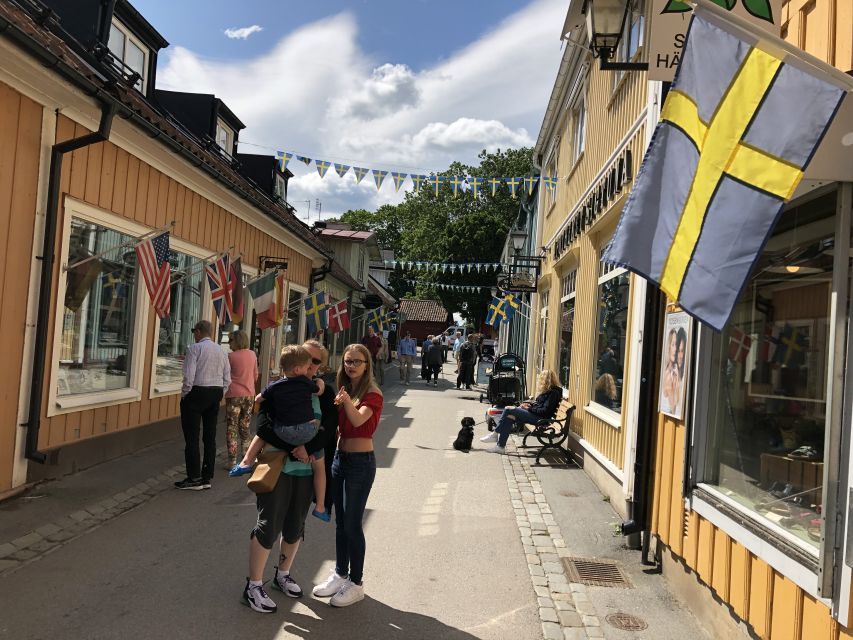
The guided walk lasts around 45 minutes. You see Sigtuna Bay, streets lined with 18th-century wooden houses, and the ruins of a 12th-century Romanesque church. These details give the town a softer, more settled feel after the grave fields and political sites.
I especially like the contrast. The earlier stops ask you to read burial mounds, stones, and traces of old roads. Sigtuna gives you streets, buildings, water views, and church ruins that are easier to photograph and enjoy at a relaxed pace.
You should know that Sigtuna can feel touristy. That is not necessarily a problem, especially if this is your first visit, but it does mean the town is less secluded than the rural sites. Walk down toward the lake if time allows. The view is peaceful, and it offers a welcome pause after the guided explanations.
Lunch is not included. One guide has recommended a good local place to eat, and the restaurant offers vegetarian dishes, but you should budget separately for food. Since the tour lasts six hours, ask your guide early about the best time for lunch rather than waiting until the group is hungry.
The guides make or break the day
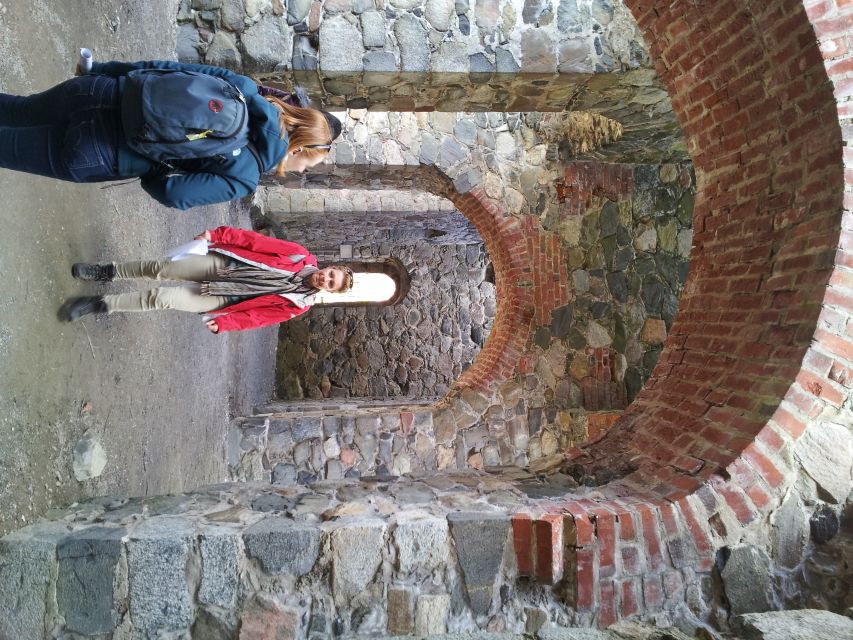
The experience depends heavily on the person in the front seat. The strongest feedback has centered on guides who explain clearly, answer questions, and connect Viking history with Swedish culture.
Gabriel has been praised for humor, detailed explanations, and an ability to make five hours pass quickly. Eric is known for linking Viking subjects with the broader story of Sweden and for answering questions at length. Calle has been singled out for welcoming questions about both Swedish culture and history.
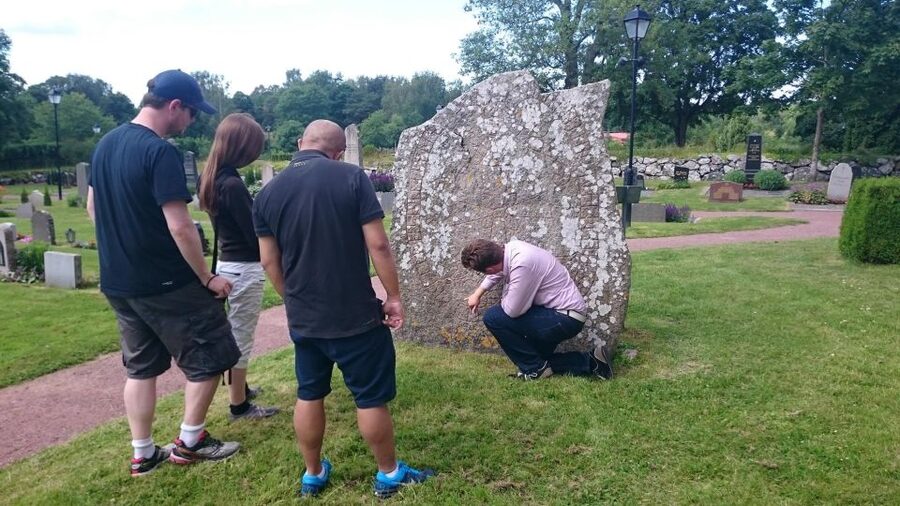
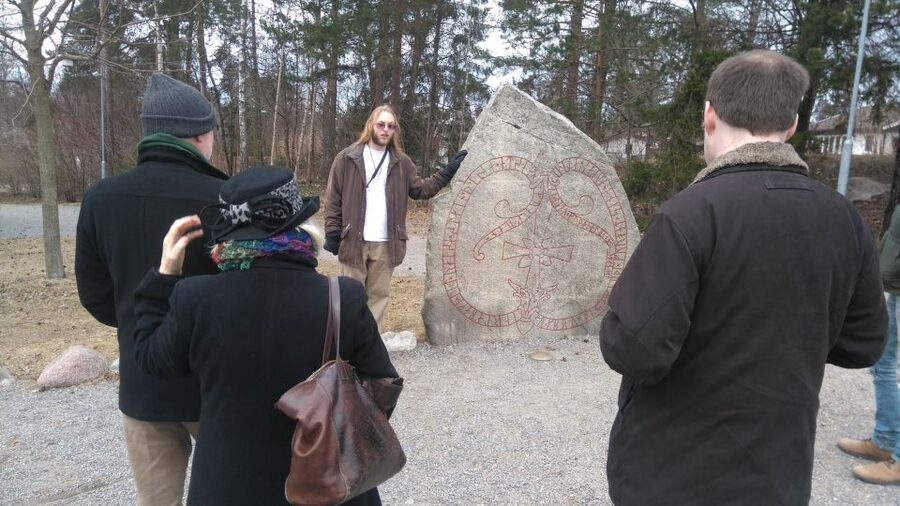
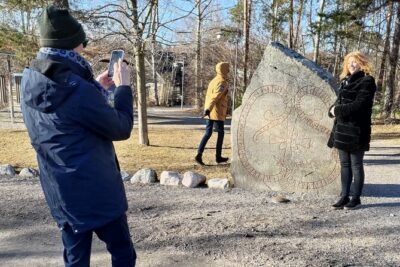
Olof has been praised for explaining rune stones and allowing time to explore independently. Charlotte has been described as personable and well prepared, while Nadia has made a strong impression with her command of the subject. Quentin, a guide from France, adapted the outing around poor weather and helped with flexible drop-off arrangements.
The guide may occasionally speak near a rune stone or building in a way that makes photographs difficult. If you want a clear picture, ask politely for a short pause before the group moves on. Most guides appear willing to answer questions, so do not hesitate to speak up.
What the $193 price really covers
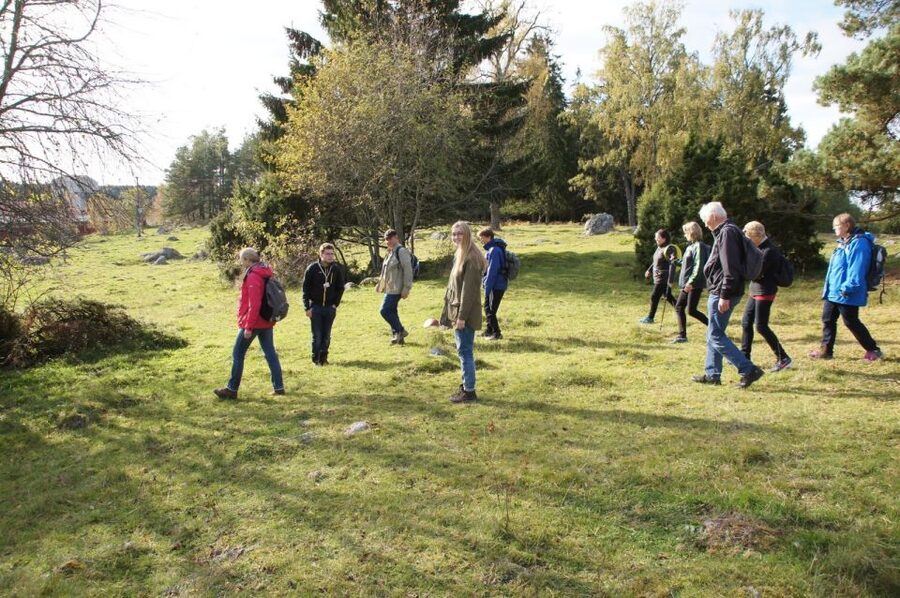
At $193 per person, this tour sits in the premium day-trip range. You are paying for more than entry to a single attraction. The price includes hotel or harbor pickup, minivan transport, an English-speaking driver-guide, several rural sites, Sigtuna, and return drop-off in central Stockholm.
That is useful value if you would otherwise need to rent a car. A rental would bring extra work, navigation, parking, and the problem of understanding what you are looking at once you arrive. Here, the guide supplies the context and handles the driving.
The value is less clear if you mainly want free time in Sigtuna. The town receives only about 45 minutes of guided walking within a six-hour schedule, and lunch costs extra. You are buying a structured history day, not a leisurely independent visit.
The tour receives a 4.5 rating from 81 ratings, with especially strong marks for guide quality, clear information, flexibility, and the variety of stops. That pattern suggests the experience is best judged as a guide-led history outing rather than a luxury transport service.
Practical advice for a better day
Wear comfortable walking shoes with a solid sole. The amount of walking is moderate, but you may encounter lightly rugged ground around the grave field and outdoor historical sites.
Dress for the forecast and remember that Stockholm winters can be harsh, with temperatures often around 0 C, or 32 F. A waterproof outer layer is sensible in any season because much of the day takes place outside.
Keep your camera ready, but also leave room to listen. Rune stones and church ruins can be hard to photograph while the guide is speaking directly in front of them. Ask for a minute to take pictures before the group leaves.
The tour is offered in English only. It is best suited to adults, families with children aged six and older, and anyone who wants a clear introduction to Viking culture without spending several days away from Stockholm.
Free cancellation is available up to 24 hours before departure, and you can reserve now while paying later. Those policies help if your Stockholm schedule is still changing, but the practical details of pickup still require attention. Check your exact meeting point and allow extra time in the morning.
Should you book this Viking tour?
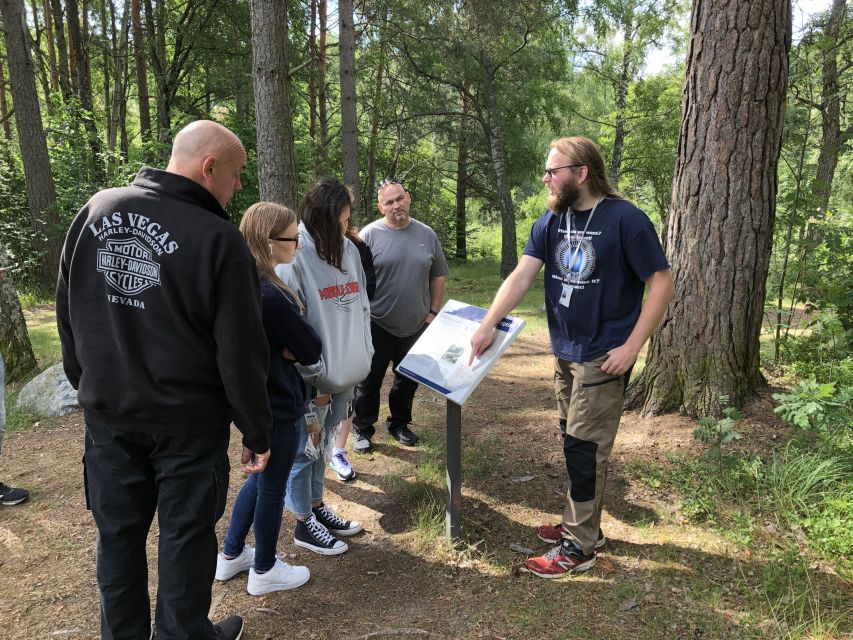
Book it if you want to see real Viking remains, escape Stockholm for a day, and learn from a guide who can explain why ordinary stones, graves, and roads matter. The combination of Broby bro, Jarlabanki’s Causeway, the council site, and Sigtuna gives you more range than a single museum visit.
I would be especially likely to recommend it to first-time visitors with limited time in Sweden. You see countryside, archaeology, medieval remains, and a historic town without renting a car.
Skip it if your priority is a long, unhurried visit to Sigtuna, a low-cost outing, or a tour built around reconstructed Viking buildings and hands-on activities. For everyone else, the $193 price is reasonable when you value transport, convenience, and a strong English-speaking guide.
FAQ
How long does the tour last?
The tour lasts six hours, including transport from Stockholm, visits to Viking sites, a guided walk in Sigtuna, and the return journey.
Is hotel pickup included?
Yes. Pickup and drop-off are included from hotels, cruise accommodations, and other listed accommodation locations. Pickup can also be arranged from Stockholm Central Station.
Can I be dropped off somewhere other than my hotel?
Yes. The guide can drop you anywhere in central Stockholm after the tour.
What language is the tour conducted in?
The live tour guide speaks English.
Is lunch included?
No. Lunch is not included in the price. The restaurant has vegetarian dishes, and a guide can recommend a place to eat.
What should I wear?
Wear comfortable walking shoes and clothes suited to the weather. Some of the terrain is lightly rugged, and winter temperatures in Stockholm can be harsh.
What places does the tour visit?
The route includes Broby bro, Jarlabanki’s Causeway, a Viking council site, and Sigtuna. You also see Viking and Iron Age graves, rune stones, church ruins, wooden houses, and Sigtuna Bay.
Is Sigtuna the oldest town in Sweden?
Sigtuna is described as the oldest still existing town in Sweden. The visit includes about 45 minutes of guided walking.
Is the tour suitable for young children?
The tour is not suitable for children under six years old.
Can I cancel for a full refund?
Yes. You can cancel up to 24 hours in advance for a full refund. You can also reserve now and pay later.
Just added around Stockholm
- Stockholm: Sigtuna and Uppsala Viking History Day Tour★ 4.7 · 41 reviews
- Private Golden Hour Photo Walk in Stockholm★ 5.0 · 3 reviews
- From Stockholm: Archipelago Hike to Landsort Lighthouse★ 5.0 · 26 reviews
- Best of Stockholm: Private Walking Tour with a Local★ 4.6 · 5 reviews
- Bloody Stockholm: ghosts, horror and dark folklore 2h★ 4.8 · 12 reviews
- Millesgården Museum: sculpture park and art galllery★ 4.8 · 20 reviews
- Stockholm: City Hall Canal boat tour★ 4.1 · 42 reviews
- Stockholm: Fat Bike Forest Adventure with Lunch and Sauna★ 4.9 · 22 reviews
Viking History Tours, compared.

Viking History, Runes & Countryside 9h Tour to Sigtuna & Uppsala
Read our review →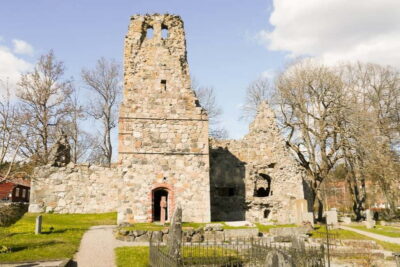
Stockholm Viking History Full Day Tour to Sigtuna + Uppsala
Read our review →
Viking History Small Group Tour from Stockholm: Half Day Including Sigtuna
Read our review →
Full Day Viking Tour with Fika Swedish Coffee Break
Read our review →Browse the lists this tour appears in