
Reviewed · SWEDEN
Luleå: Nordic Touring Skiing Adventure
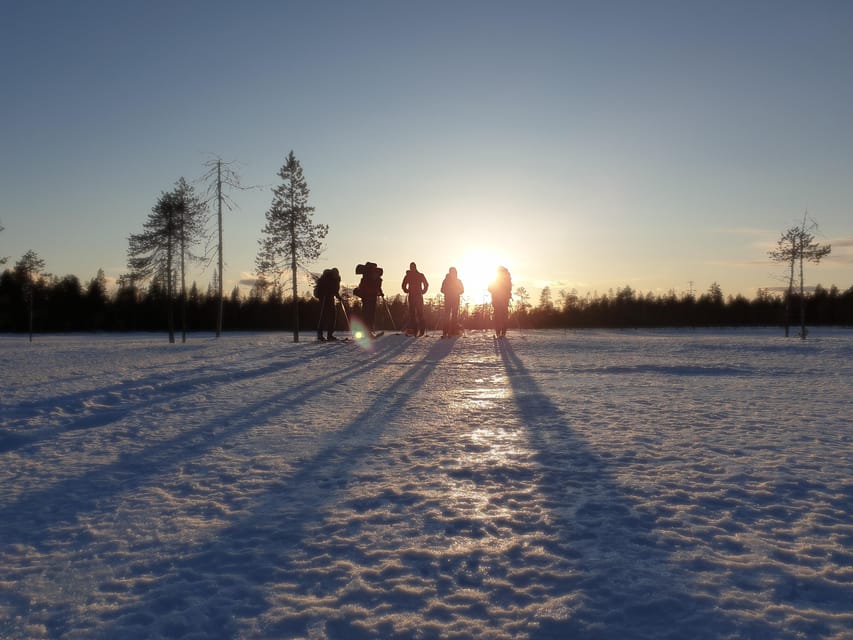
A four-hour ski tour from Luleå takes you onto the frozen Bay of Bothnia, then through quiet winter scenery where there are no prepared tracks to follow. With Henrik from Hiking the North, you learn how to handle wider, steadier Nordic touring skis before heading across ice and mainland terrain. I like the mix of gentle instruction and genuine outdoor adventure, plus the chance to hear about Sami culture, local wildlife, and Swedish outdoor life as you ski.
Two things make this outing especially appealing: modern, supportive equipment that is friendlier to beginners than narrow cross-country skis, and the warm stop with Swedish fika beside a crackling fire. The main consideration is the weather. Storms, extreme cold, or unsafe ice conditions can force a change of route, rescheduling, or cancellation, so this is not a rigid sightseeing stop.
Key points before you book
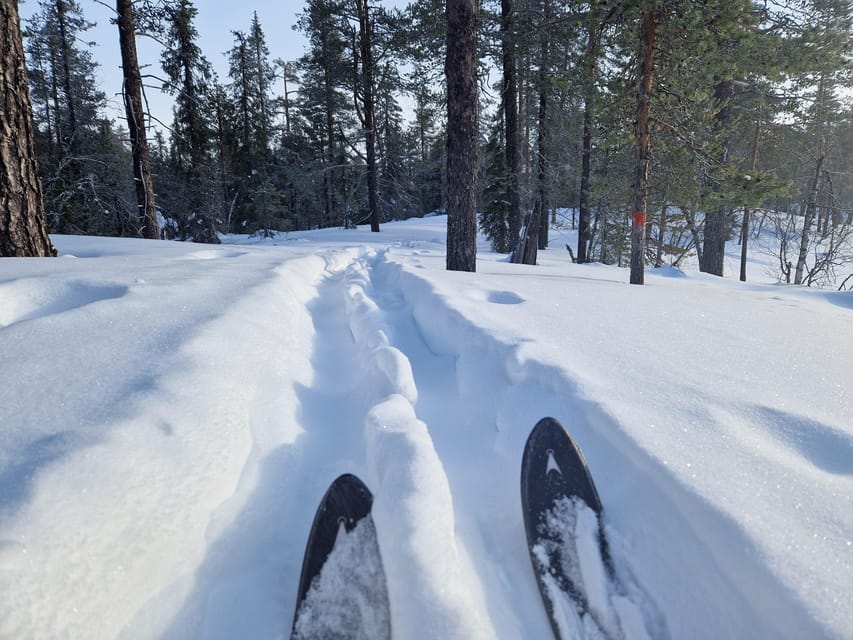
- Frozen sea and forest in one outing: You ski across the mainland and the frozen Bay of Bothnia, with scenery changing under your skis.
- A small group of six: The limited group size gives you room to ask questions and get help with technique.
- Henrik brings local context: Along with ski instruction, he shares information about Sami people, flora, fauna, and Swedish outdoor life.
- Touring skis favor comfort: Wider skis, warm boots, and supportive bindings make this less demanding than traditional cross-country skiing.
- A fire and fika are built in: Expect a warm drink and sweet snack during the break, with lentil soup and blueberry cake specifically praised as part of the food experience.
- Weather controls the day: Mild winters, storms, and severe cold can affect the route or schedule.
Skiing from Luleå onto the frozen Bay of Bothnia
The appeal here is simple: you are not skiing laps on a groomed track. You are moving through open winter country, first from the mainland and then over sea ice when conditions allow. The Bay of Bothnia gives the outing its unusual character. A frozen bay can feel broad, quiet, and exposed, while the wooded sections offer a more sheltered setting and a different rhythm underfoot.
You meet the guide at the smallboat harbour on Hagahamnsvägen 381. The tour ends at the same meeting point, which keeps the logistics straightforward. You must arrange your own transport to the harbour, so allow time to get there dressed for the cold rather than arriving at the last minute.
Henrik fits you with Nordic touring skis and boots, then introduces the basic technique. These skis are wider and thicker than standard cross-country skis. Many have an edge to help on downhill sections, while the boots are warmer and more supportive. That design matters if you are new to skiing or do not want an outing built around speed and athletic performance.
You will still need to work your legs and balance. Nordic touring is not effortless, despite the stable equipment. The difference is that the skis are made for moving over unprepared snow and mixed terrain, not for staying inside a narrow track. I would expect the first part of the tour to feel like a practical lesson, with Henrik helping you find a comfortable stance and steady glide before the route opens up.
Other skiing around Sweden:
- Kiruna: Cross-Country Skiing Tour with a Guide
★ 5.0 · 3 reviews
What the four-hour route feels like
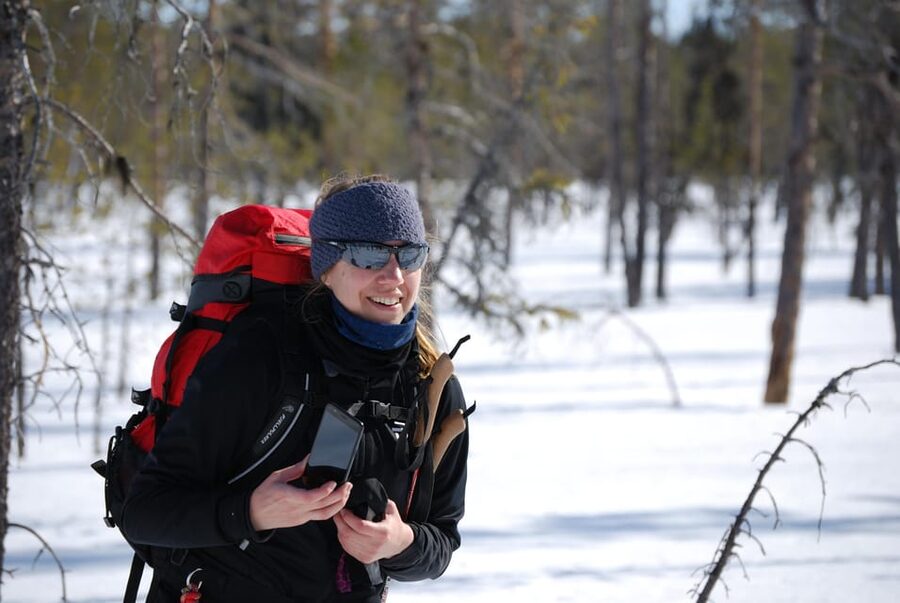
The main tour takes place in Norrbotten County and lasts four hours. The supplied route description identifies two parts: the start at the harbour and the guided outing through the surrounding county. In practice, the experience combines mainland skiing, forest, and the frozen bay rather than treating the meeting point as a sightseeing stop.
The mainland sections give you a chance to settle into the skis. Forest terrain can feel less exposed than the open ice and may offer a useful contrast in snow conditions. There are no ski tracks to guide you, which is central to the experience. You are following a guide through nature rather than training for a cross-country race.
The frozen bay is the dramatic section. You get broad views and a strong sense of northern stillness, with no city noise competing for attention. The exact route must depend on weather and ice safety, so you should not treat the bay crossing as an absolute guarantee under every condition. The operator may move the tour or choose another safe area, as happened during a mild winter when conditions were not ideal.
That flexibility is a strength, not a flaw. A guide who changes the plan rather than forcing a questionable route is making the right call. Still, if your only reason for booking is to ski across sea ice, ask about current conditions before setting your expectations.
Why the equipment matters for beginners
Traditional cross-country skis can be narrow and quick, with little forgiveness if your balance is uncertain. Nordic touring skis are made for a slower, steadier style of travel. Their width gives you more support, and their warmer boots are better suited to a long stop outdoors.
The equipment supplied includes skis and boots, so you do not need to rent those separately. Its reported quality is one of the strongest points of this experience. You should still bring proper clothing, since good skis cannot compensate for cold hands, damp socks, or a jacket that does not block wind.
The guide teaches the basics, making this suitable for beginners as well as more experienced skiers. You do not need to arrive as an expert. I would recommend some comfort with walking on snow and standing on skis, but the tour is designed around learning rather than testing your ability.
Experienced skiers may appreciate the freedom of untracked terrain, though those seeking fast, technical skiing may find the pace too gentle. This is an outing for seeing the north and learning a practical way to move through it, not a high-speed sports session.
Henrik’s mix of ski coaching and local stories
Henrik is central to the character of the tour. He does more than point the way. During the outing, he can explain aspects of Sami culture, local flora and fauna, and life outdoors in northern Sweden. That adds meaning to the quiet scenery. You are not simply looking at snow and trees; you are learning how people understand and use this northern environment.
The guide’s enthusiasm also helps with a sport that can feel awkward at first. Nordic touring skis have a different feel from ordinary downhill skis, and beginners may need a little time to coordinate their feet, poles, and balance. A small group of no more than six allows for a more personal introduction than a large outdoor excursion.
English is the listed tour language. If you want to ask about local traditions or the natural setting, this is the time to do it. The cultural information is not a separate lecture. It is woven into the movement and pauses of the trip, which keeps the day active.
Henrik has also shown practical judgment when conditions changed. During a mild winter, he moved the tour so the group could still have a worthwhile outing. That is useful reassurance in a region where winter weather can be unpredictable, though it also confirms that the final route is not fixed.
Other days out in the snow around Sweden:
- Abisko: Wilderness Snowshoe Hike
★ 4.8 · 94 reviews - Stockholm: Winter Snowshoe Full-Day Hike
★ 4.8 · 57 reviews - Snowshoe in a Winter Forest
★ 5.0 · 40 reviews - Snowshoe Winter Hike from Stockholm
★ 5.0 · 27 reviews
The fire, fika, and northern comfort food
The break is more than a quick snack. You stop to warm yourself beside an open fire and receive Swedish fika, described as a warm beverage with a sweet snack. Specific food mentioned includes lentil soup and blueberry cake, a combination that makes sense after several hours outside.
This pause gives the outing a needed change of pace. Skiing in cold air can be pleasant while you are moving, then surprisingly chilly once you stop. A fire, hot drink, and food let you recover before heading back. It is also the most social part of a small-group tour, when there is time to talk with Henrik and the other participants.
Bring water and your own snacks as well. The included fika is a welcome serving, not a substitute for all personal food needs during four hours outdoors. A small backpack is recommended for water, snacks, and personal items, but keep it compact so it does not interfere with skiing.
The food is one of the tour’s most memorable touches because it connects the physical outing with Swedish outdoor custom. You are not being rushed from one viewpoint to the next. The fire makes the cold part of the experience feel manageable and gives the day a clear sense of place.
What to wear for changing winter conditions
Dress in layers. That advice is especially important here because your body temperature will shift from active skiing to standing around a fire. You want to remove a layer while climbing or gliding, then add it back during the break.
Your clothing for skiing and your clothing for the stop are not included. Plan on warm outdoor clothing from the moment you leave your accommodation. Bring enough protection for changing weather, including conditions that may feel colder on open ice than in the forest.
A small backpack is useful, but avoid overpacking. Carry water, snacks, and personal items while keeping your hands free for poles. Smoking is not allowed during the activity.
The tour provider can reschedule or cancel if there is a storm, extreme cold, or another unsafe condition. This is a sensible safety rule for an outing involving frozen water and exposed winter conditions. Free cancellation is available up to 24 hours before the start, and the reserve-now, pay-later option can help if your plans are still shifting.
Is $151 fair for four hours?
At $151 per person, this is not a cheap way to spend a morning or afternoon. The price makes more sense when you count what is included: a guide, skis, boots, instruction, a four-hour route, and Swedish fika. You also get a small group capped at six, which usually means more direct help and less waiting.
You are paying for access to an experience that would be difficult to arrange alone. Choosing a safe route over frozen sea and mainland terrain requires local judgment, and the guide handles the equipment and basic instruction. The open fire, food, and cultural explanation add more than a standard ski rental would provide.
The value is strongest if you are a beginner, a visitor without ski equipment, or someone who wants an outdoor experience with local context. It is weaker if you already own touring gear and only want a long, independent ski session. You may also feel the cost is high if weather changes the route and the sea-ice portion is not possible.
The five-star rating from seven submitted ratings suggests a very positive response, but the sample is small. I would place more weight on the specific strengths: quality equipment, Henrik’s approach, the food, and the willingness to adapt to poor conditions.
Who should book this Nordic ski tour?
This outing suits adults and older children who are comfortable spending four hours outdoors in winter. It is not suitable for children under 12, pregnant women, or people with heart problems. The combination of cold, exertion, and uneven outdoor conditions deserves honest self-assessment.
You will likely enjoy it most if you:
- Want to try Nordic skiing without committing to a full ski holiday
- Prefer a quiet nature outing to a busy attraction
- Like learning about local culture along with outdoor skills
- Appreciate a small group and a guide who can adjust the pace
- Want a mix of forest and frozen-water scenery
- Are willing to let weather determine the final route
It may not be the right choice if you need a guaranteed sea-ice crossing, dislike cold-weather activity, or want a polished sightseeing trip with little physical effort. The skis are stable, but you still ski for four hours and should dress accordingly.
Practical details before you reserve
The experience lasts four hours, with starting times shown according to availability. Check the current time carefully, since transport to Hagahamnsvägen 381 is not included. The guide meets you at the smallboat harbour, and you return there at the end.
Bring warm clothing, water, snacks, and a small backpack. Skis and boots are supplied, as are the guide, basic instruction, and fika. Since the group is limited to six and the activity can be affected by conditions, booking ahead is sensible, especially if your Luleå schedule is tight.
You can cancel up to 24 hours in advance for a full refund. You can also reserve and pay later, which helps if your plans depend on the weather forecast.
Should you book it?
Book this tour if you want a real winter outing rather than a quick photo stop. The combination of frozen bay, forest, stable touring skis, local stories, and a fire-side fika gives you a fuller sense of Norrbotten than a simple equipment rental.
I would especially recommend it to first-time Nordic skiers and visitors who value a guide’s local judgment. Just keep your plans flexible, wear serious winter clothing, and understand that storms, extreme cold, or mild conditions may change the route. If those limits suit you, $151 buys a thoughtful, well-equipped half-day in the north.
FAQ
Where does the Nordic touring ski tour start?
The guide meets you at the smallboat harbour at Hagahamnsvägen 381. You return to the same meeting point at the end of the activity.
How long does the experience last?
The guided Nordic touring ski experience lasts four hours. Starting times depend on availability.
Is ski equipment included?
Yes. Skis and skiing boots are included, along with a guide and an introduction to Nordic ski touring basics.
What food and drink are included?
Swedish fika is included, consisting of a warm beverage and sweet snack. Lentil soup and blueberry cake are among the foods associated with the experience.
Is the tour suitable for beginners?
Yes. The tour includes an introduction to Nordic ski touring, and the wider, more stable skis are designed to be more comfortable than regular cross-country skis. The activity is also suitable for more experienced skiers.
What happens if the weather is unsafe?
The tour may be rescheduled or canceled in stormy weather, extreme cold, or other unsafe conditions. Conditions can also affect the planned route, including the possibility of skiing on the frozen bay.
Just added around Sweden
- World War II Stockholm Old Town Walking Tour and Army Museum★ 4.6 · 4 reviews
- Vaxholm & Stockholm Archipelago: Guided Excursion, Day Trip★ 4.8 · 41 reviews
- Wilderness Tour with Snowmobile & Ice Fishing★ 4.9 · 28 reviews
- West Sweden: Sea Kayak Delight in Nature Reserves★ 5.0 · 6 reviews
- Self-Guided Audio Walking Tour Through Kurt Wallander’s Ystad★ 3.5 · 12 reviews
- Stockholm: Archipelago Guided Boat & Walking Tour of Vaxholm★ 3.1 · 23 reviews
- Uppsala bloody history 1h- racial biology, 18th century plague, 19th century prostitution etc.★ 5.0 · 4 reviews
- Uppsala’s biggest attractions – 1h city walk in Uppsala city.★ 4.5 · 3 reviews