
Reviewed · NATIONAL PARKS
Snowshoe in a Winter Forest
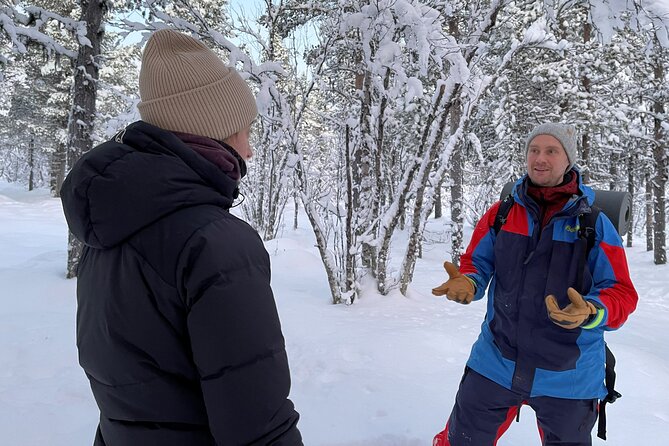
The best part of this Kiruna outing is not speed or athletic challenge. It is the chance to slow down in a snowy forest, follow animal tracks, and learn how life carries on through the Arctic year. Guide Anders points out signs from wildlife, explains the trees and undergrowth, and connects the forest to Kiruna’s mining and Sami culture.
I like the easy 2.5-kilometer route, which lets you enjoy the snow without turning the morning into a test of endurance. I also like the small group limit of eight, since Anders can help with the snowshoes and answer questions without shouting across a crowd.
The main consideration is clothing. Snowshoes are supplied, but no winter clothing is provided, so you need proper layers, boots, gloves, and headwear. At about $146.65 per person, this is good value if you want guiding, transport, equipment, and a warm local snack, but it is not a cheap independent walk.
Key points to know before booking
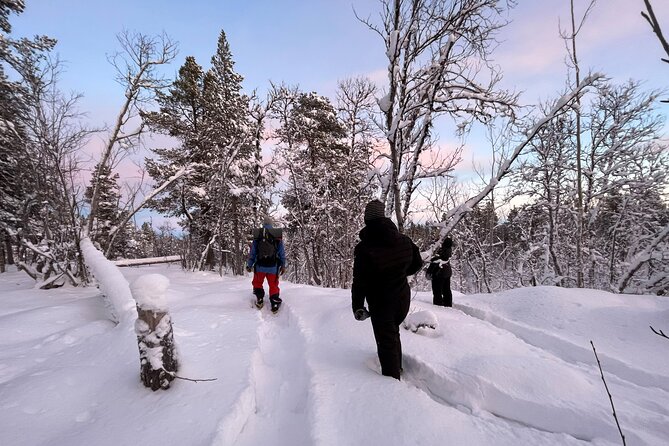
- Search for animal tracks: Anders uses signs in the snow to explain local wildlife and Arctic survival.
- Easy route through a winter forest: The walk covers about 2 to 2.5 kilometers and requires no special snowshoeing skill.
- Small groups matter: A maximum of eight people allows for personal help and more relaxed conversation.
- A warm local break: Homemade berry juice and a traditional Kangoskaka cookie are served by a campfire.
- Pickup is included: Transfers are offered from central Kiruna, with a black minivan marked on67°.
- You provide the clothing: Snowshoes and a headlamp if needed are included, but outerwear is not.
A gentle way to meet Kiruna’s winter forest
This is a nature walk with a cultural thread, not a high-energy snow adventure. You put on snowshoes, set off into the forest, and look closely at what the snow reveals. A line of prints may tell you that an animal passed through. Other marks can show where something paused, searched for food, or moved beneath the trees.
That focus makes the outing feel more personal than simply walking through a pretty stand of snow-covered trees. Anders explains what you are seeing and discusses how animals cope with long, cold seasons. You may not see wildlife itself, so it is best to book this for the signs of life and the setting rather than for guaranteed animal sightings.
The route is about 2 to 2.5 kilometers. At an easy activity level, it should suit people who want to be outdoors without committing to a demanding trek. The short distance also leaves room for questions, photo stops, and conversation.
Other cold-weather days around Kiruna:
- Wilderness Tour with Snowmobile & Ice Fishing
★ 4.9 · 28 reviews - Snowshoe up a Mountain
★ 5.0 · 19 reviews - Ice Climbing Experience with Certified Guide
★ 5.0 · 204 reviews
What happens during the 2.5-hour outing
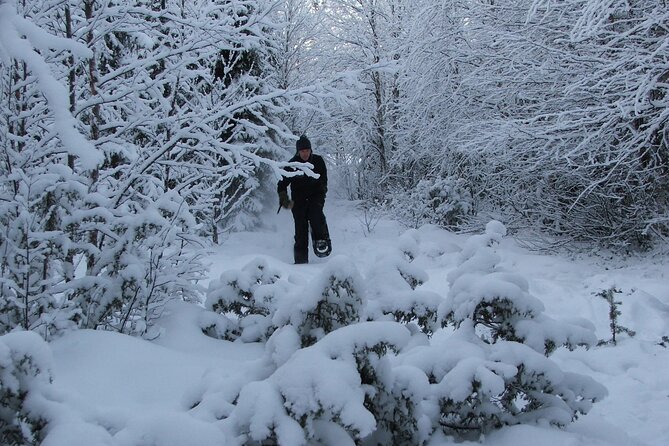
The experience begins with pickup in Kiruna at about 10:00 a.m. You are taken from the central area toward the forest in a black minivan with the on67° logo. The transfer is useful in winter, when icy roads and unfamiliar paths can make independent planning less appealing.
Once you reach the starting area, Anders helps with the snowshoe equipment. Snowshoes spread your weight over the snow, making it easier to move through soft or uneven sections. The activity is designed for beginners, and the short route means you do not need prior snowshoeing experience.
The walk itself is relaxed. Instead of racing from one viewpoint to the next, you learn to notice tracks, trees, and the smaller details of a frozen forest. Anders has a strong command of the local area and explains animal behavior, the natural setting, and life in Kiruna.
The exact order of stops is not fixed into a long sightseeing program. That is part of the appeal. The time is built around a forest walk, interpretation, and a break rather than a checklist of attractions.
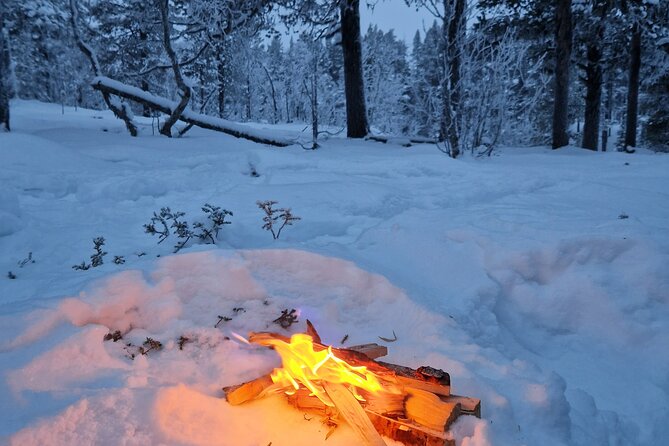
At some point along the route, you stop beside a campfire for homemade berry juice and a traditional Kangoskaka cookie. This is more than a quick drink break. In cold weather, a warm cup and a sweet snack give you time to thaw your hands, talk with the guide, and take in the quiet around you.
The activity includes a headlamp if needed. Since the start time is 10:00 a.m., this may be useful during darker winter conditions, but the available information does not promise a particular daylight view or northern lights opportunity. Book this for the forest walk, not as an aurora tour.
Reading the snow for signs of wildlife
The animal-track element gives the walk its purpose. Fresh snow can turn a forest floor into a record of movement, and Anders uses those marks to explain what may have passed through. You learn to look down rather than simply admire the snowy trees.
The guide can identify tracks and discuss possible behavior. That may include how animals search for food, move through the forest, and manage the Arctic year. You might see many signs without seeing the animal responsible, so keep your expectations realistic.
I like this approach because it works in all weather and does not depend on a lucky wildlife encounter. The forest still offers something to study even when animals remain out of sight. One account of the outing described a beautiful, peaceful forest without animal sightings, yet the easy walk and the guide’s explanations still made the experience worthwhile.
The short route also helps you stay engaged. A longer hike can become tiring when snow is deep and daylight is limited. Here, you can focus on the details without spending the entire morning managing your energy.
Anders brings nature and local culture together
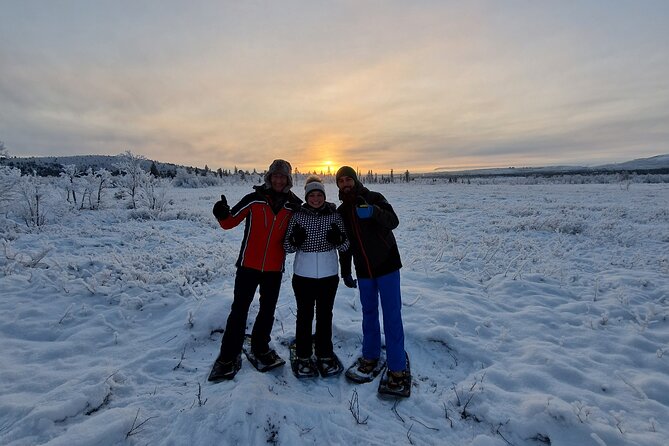
Anders is the named guide for this activity, and his role is central to its value. He explains the forest, wildlife, and local conditions, but he also brings in subjects that place the walk in a wider Kiruna setting.
You hear about mining in Kiruna and Sami culture alongside the trees and tracks. That combination gives you a better sense of the region as a lived-in place, not just a winter backdrop. The activity does not present culture as a separate lecture. It folds local information into the walk.
His guiding style is described as friendly, attentive, and humorous. He checks that everyone can keep up and helps with the equipment. That matters in a small group, especially when people have different comfort levels on snowshoes.
The English-language format is helpful for international visitors. The small maximum of eight people should also make it easier to ask about subjects that interest you, from animal behavior to Kiruna’s changing town center and local traditions.
Other trips into the forest from Kiruna:
- Polar Nature Tour on Snowmobile
★ 4.4 · 12 reviews - Half day Wildlife and Nature Photography
★ 5.0 · 6 reviews - Discover Kiruna: A Walk Through History and Nature
★ 4.0 · 3 reviews - Morning hike in Abisko National Park
★ 5.0 · 239 reviews
Why the small group improves the experience
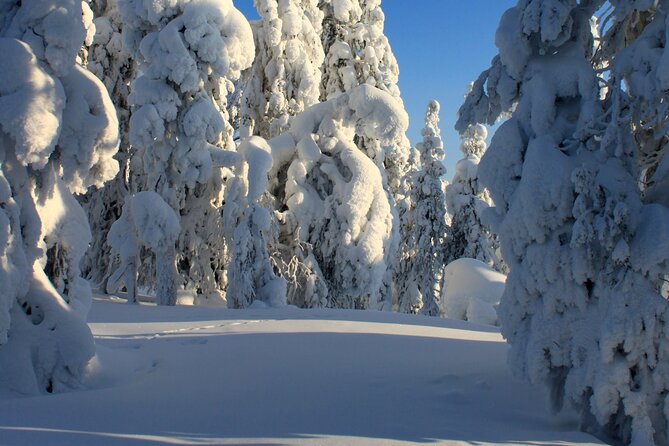
A maximum of eight people is a useful limit for this kind of outing. Snowshoeing is not difficult, but first-time users may need help adjusting the equipment or finding a comfortable rhythm. With a small group, Anders can offer that help without leaving everyone else waiting for long.
You also get more space for conversation. In a large group, nature talks can become short announcements. Here, the guide can stop to interpret a track and answer follow-up questions. If you are curious about Sami culture, wildlife, or the forest itself, that extra attention adds real value.
The group size can vary. On one outing, the experience had only two participants, and Anders even offered a drop-off at Kiruna’s new center afterward. That kind of flexibility cannot be guaranteed, but a small booking pool makes a quiet, personal outing possible.
The tradeoff is that a small-group tour can feel less social if you were hoping for a lively crowd. Most people will see that as a benefit, particularly in a silent forest.
What to wear for Kiruna’s cold conditions
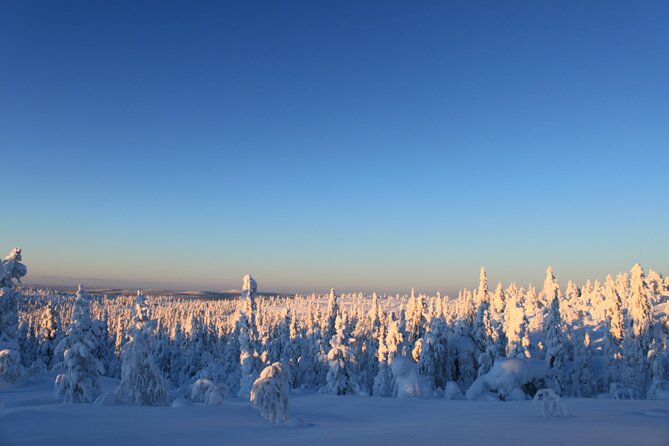
The tour supplies snowshoes, but you must bring all additional clothing. This is the most important practical warning.
Dress for standing and walking in winter conditions. You should have warm layers, a proper winter jacket, insulated trousers or other snow-ready legwear, warm socks, gloves, and a hat that covers your ears. Sturdy winter footwear is also important, since snowshoes do not replace the need for warm boots.
The information does not specify a clothing rental option, so do not assume you can borrow a snowsuit or boots. If your Kiruna trip includes other winter activities, plan your packing around this outing as well.
The route is easy, but easy does not mean warm. You may move at a gentle pace and pause beside a campfire, which can make you feel colder than during a strenuous activity. Good clothing will make the difference between enjoying the quiet and spending the whole walk thinking about your fingers.
The guide can help with snowshoes, and a headlamp is available if needed. That covers the activity equipment, not your personal winter kit.
Pickup details and timing in Kiruna
Pickup is offered from central Kiruna. The published points include Camp Ripan, the Tourist Information area, and Hotel Scandic. The timing given is about 10 minutes before the start at Camp Ripan, 5 minutes before at the Tourist Information point, and at the start time at Scandic.
The meeting instructions also mention Hotel Arctic Eden in the old town, with Camp Ripan collected first and Scandic in the new town as the final pickup. Because the pickup notes name slightly different central locations, confirm your exact stop when booking or before the morning of the tour.
Look for a black minivan carrying the on67° logo. Arrive early at your pickup point rather than treating the stated time as a loose suggestion. In winter, loading equipment and driving between the old and new town areas can take time.
Round-trip transfers are included, which adds value to the $146.65 price. You do not need to arrange your own transport to the forest, and you can finish the activity back in town. If you want to continue sightseeing afterward, ask about your drop-off, but any special change is not guaranteed.
Is the price fair at $146.65?
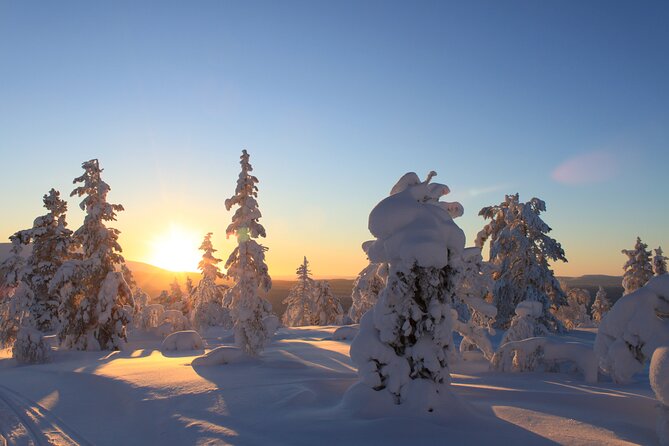
At $146.65 per person, this is a mid-to-high priced short activity. You are paying for about 2.5 hours, but the price also includes central pickup, return transport, a local English-speaking guide, snowshoes, a possible headlamp, and the homemade drink and cookie.
The guiding is what makes the price easier to justify. You could walk in snow near Kiruna without paying for a tour, but you would not have the same help reading tracks or the same local context about wildlife, mining, and Sami culture.
The small group also matters. A cheaper outing with a large group may give you equipment and transport but less time with the guide. Here, the eight-person limit supports a more personal pace.
Still, this is not the right choice if you only want to try snowshoes for a few minutes or take a quick forest photo. The outing is valuable for people who want interpretation and a gentle outdoor activity. If you already own equipment and prefer to walk independently, the price may feel high.
The homemade berry juice and Kangoskaka cookie are modest inclusions, but they fit the experience well. They provide a local touch and a warm pause rather than pretending to be a full meal.
Who should book this snowshoe walk?
This outing fits you best if you want a beginner-friendly winter activity with a guide who can explain what you are seeing. It is suitable for people who enjoy nature but do not want a hard hike.
It also works well for visitors who want more than scenery. The mix of wildlife, forest ecology, Kiruna, mining, and Sami culture gives the walk a broader purpose.
The minimum age is 12, so families with younger children will need to choose another activity. Most participants can take part, but anyone with concerns about winter walking should consider the snow, cold, and need to manage personal clothing.
You should also be comfortable with the possibility that wildlife will remain invisible. The point is to learn from tracks and signs, not to expect a guaranteed sighting.
Booking, cancellation, and practical limits
Confirmation is provided when you book. The tour is offered in English, and the maximum group size is eight people.
Free cancellation is available if you cancel at least 24 hours before the start time. Cancellations made less than 24 hours before the activity are not refunded, and changes within that period are not accepted. The cutoff follows local time in Kiruna.
The experience is often reserved well ahead, with an average booking lead time of about 57 days. If your visit falls during a busy winter period, booking early is sensible.
My verdict: a quiet, useful winter outing
Book this tour if you want to understand the snowy forest rather than simply pass through it. Anders adds real value by identifying tracks, explaining animal behavior, and tying the natural setting to Kiruna’s culture and working life.
The walk is short and easy, the group is small, and the campfire drink and cookie give it a warm local character. The main drawbacks are the price for a 2.5-hour activity and the fact that you must bring your own serious winter clothing.
For a first snowshoe experience in Swedish Lapland, I would choose it for the guide and the interpretation. If your priority is speed, dramatic adventure, or guaranteed wildlife, choose something else. If you want a calm morning, a manageable route, and a better understanding of the Arctic forest, this is a strong choice.
FAQ
How long does the snowshoe experience last?
The activity lasts approximately 2.5 hours.
How far do you walk?
The route covers about 2 to 2.5 kilometers.
Is the activity suitable for beginners?
Yes. It is rated easy, and no particular snowshoeing skill is required.
What equipment is included?
Snowshoes, a local guide, homemade berry juice, a homemade traditional Kangoskaka cookie, and a headlamp if needed are included.
Is winter clothing provided?
No. You need to dress appropriately for the weather and activity. Additional clothing is not provided.
Where is pickup available?
Pickup is offered from central Kiruna locations, including Camp Ripan, the Tourist Information area, and Hotel Scandic. The meeting instructions also mention Hotel Arctic Eden, so confirm your exact pickup point before the activity.
What is the minimum age?
The minimum age is 12 years.
What happens if I need to cancel?
You can receive a full refund if you cancel at least 24 hours before the local start time. Cancellations or changes made less than 24 hours before the activity are not accepted for a refund.
Just added around Kiruna
- Wilderness Tour with Snowmobile & Ice Fishing★ 4.9 · 28 reviews
- Half day Wildlife and Nature Photography★ 5.0 · 6 reviews
- Snowshoe up a Mountain★ 5.0 · 19 reviews
- Discover Kiruna: A Walk Through History and Nature★ 4.0 · 3 reviews
- Arctic Adventure with Reindeer and Northern Lights Hunt 18:30 pm★ 4.5 · 20 reviews
- Day tour with snowmobile in Kiruna 10:30 am★ 5.0 · 44 reviews
- Snowmobile Safari to Lapland viewpoint★ 5.0 · 7 reviews
- Guided Northern Lights Tour at Kiruna★ 3.5 · 28 reviews
National Parks, compared.
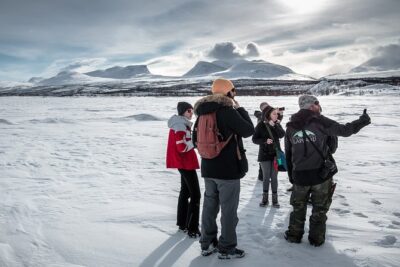
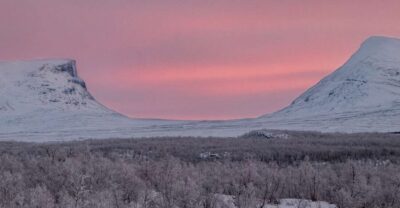
Abisko National Park: Scenic Morning Hike with Transfer
Read our review →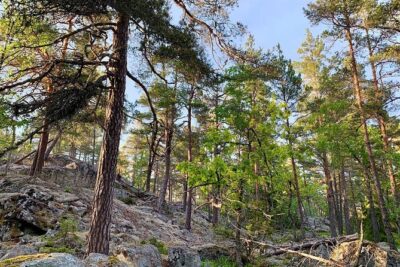
Sunset Hike in Tyresta National Park with Meal
Read our review →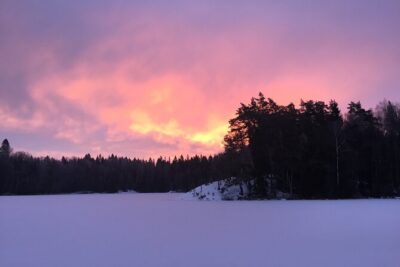
PRIVATE Sunset Kayaking in Stockholm Archipelago Nature Reserve
Read our review →Browse the lists this tour appears in