

Reviewed · MUSEUMS
Cube of Art Uppsala Museum of Interactive Art
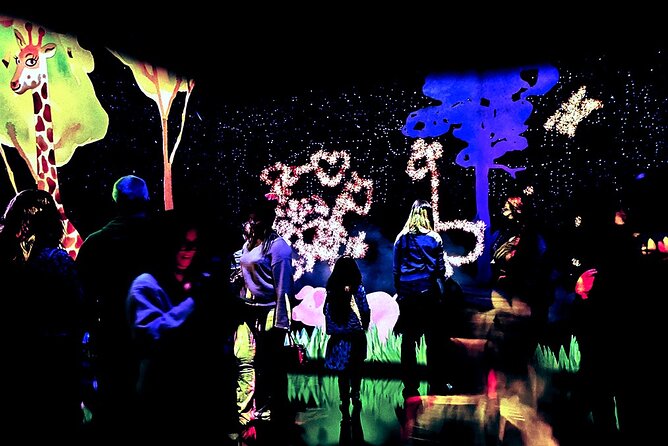
The unusual part of Cube of Art is that the room itself becomes the artwork. Inside a specially built black cube with a 7-meter ceiling, laser and lidar systems track movement and let your steps, gestures, and drawings affect the walls and floor.
I like two things here: children and adults can play together, and the experience makes digital art easy to understand without a lecture. I also like the one-hour format, which gives you enough time to experiment without taking over your whole day.
The main caution is space. Some activities may feel less comfortable when more than eight people are inside, and a few visitors found the visual effects less colorful or advanced than expected. If you want a large-scale art show packed with many separate installations, this may feel modest.
Key points to know before you go

- A responsive black cube: Laser and lidar sensors change the art as you move through the room.
- Good for mixed-age groups: Babies, young children, teenagers, parents, adults, and team groups can all take part.
- About one hour inside: The timed session feels focused, though many people may want to repeat parts of it.
- A hands-on art experience: You can draw and influence images on the walls rather than simply look at them.
- Small-group comfort matters: The room feels cozier with two to five people and tighter when attendance rises above eight.
- Wednesday to Sunday opening: The museum is open from 10:00 a.m. to 6:00 p.m. during the listed operating period.
What happens inside the 7-meter black cube
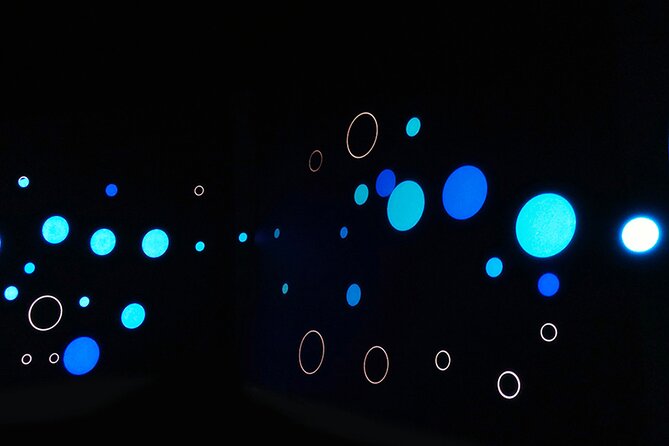
Cube of Art is not a conventional museum where you walk from painting to painting. It is a purpose-built black room, seven meters high, fitted with laser and lidar technology. The equipment detects where you are and responds to your movement.
That changes your role. You are not only looking at digital art. You help produce what appears around you. A step can alter shapes, colors, or sounds. Touch and movement can affect the room, so even a child who has little interest in traditional museums has a reason to pay attention.
The concept sits between art and science. It shows how sensors can read physical movement and turn it into a visual or musical response. You do not need a technical background to understand the idea. The best way to grasp it is simply to move, draw, and see what changes.
The setting is deliberately stripped back. The black cube gives the projected material room to take over your attention. That simplicity helps the technology make sense, though it also means the experience depends heavily on the quality of the digital scenes and the number of people sharing the space.
Other art and design days in Sweden:
- Stockholm: Underground Metro Art Ride with a Local Guide
★ 4.6 · 39 reviews - Millesgården Museum: sculpture park and art galllery
★ 4.8 · 20 reviews - Stockholm: Underground Metro Art Ride with a Local
★ 4.5 · 18 reviews
How movement, touch, and drawing shape the visit
The most active part of the visit comes from interacting with the walls and floor. You can move through the room and watch the art react. You can also draw on a wall, with the system using artificial intelligence to interpret some of what you create.
That drawing feature is playful rather than limitless. The system appears to recognize certain animals and objects, so you should not expect it to understand every sketch. For a young child, that may not matter at all. The pleasure comes from drawing something, waiting for the system to respond, and seeing a digital version appear.
I would treat the art as a set of prompts rather than a polished performance that runs the same way for everyone. Try a few different movements. Give the children room to test cause and effect. If you visit with adults, the experience can bring out a silly, experimental side that traditional gallery visits often leave behind.
Some visual effects may be more restrained than you expect. If you are hoping for walls covered in constant, explosive color, the presentation may feel too limited. The technology is central, but the result is not necessarily a nonstop spectacle.
Why families find the hour easy to enjoy
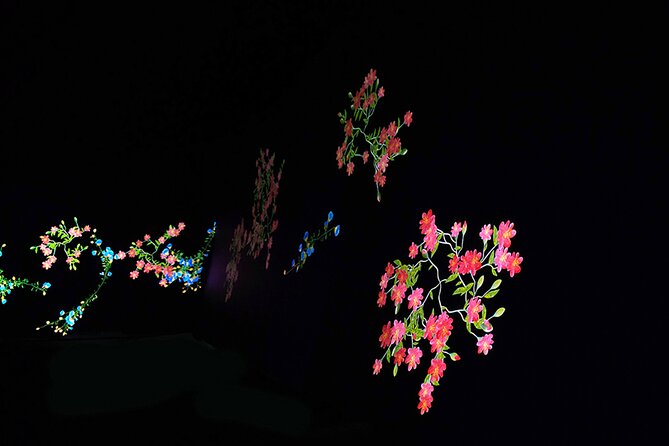
This is particularly well suited to families with children. Very young children can respond to moving images and sounds even if they do not understand the technology. A two-year-old may simply chase what appears on the floor, while an older child may focus on drawing, sensors, and the way the room changes.
The experience has also worked well for families with babies and toddlers. The interactive wall and floor give children something to do throughout the session, rather than asking them to stay quiet and look at distant objects. Parents can join in instead of standing on the sidelines.
A one-hour session is a sensible length. It is long enough for you to become comfortable with the controls and try the different activities. It is also short enough for families to manage on a day when attention spans are uneven. Some children may want to remain longer, but the scheduled format keeps the visit from becoming tiring.
If you are visiting with a teenager, Cube of Art offers a good change from standard sightseeing. The novelty is strong, and the digital setting gives older children a reason to take part with parents. Two rounds may be enough for most people who want to see the experience from different angles.
Group size can change the mood
The room feels different depending on how many people are inside. With two to five participants, you have more space to test movement and enjoy the visual changes without bumping into others. Once the group grows beyond eight, the room may feel crowded and less comfortable.
That matters because this is an active experience. You are not standing quietly in assigned places. You may want to move across the floor, draw on a wall, or watch how the system responds to your position. More people mean more movement competing for attention.
The experience may be especially useful for a team activity because everyone can start interacting quickly. It does not require a long explanation or specialist skills. A work group can experiment together and see how individual actions affect the shared room.
Still, I would avoid expecting a private art session unless your booking specifically provides one. The available information does not promise a private group or a fixed number of participants. If personal space is important to you, the quieter end of the opening day may be worth considering, but no attendance pattern is guaranteed.
Other collections worth an afternoon in Sweden:
- Stockholm: Skansen Open-Air Museum Admission Ticket
★ 4.5 · 3,427 reviews - Stockholm Pass: Save up to 50% – Includes Vasa Museum Ticket
★ 4.1 · 2,392 reviews - Stockholm: Nobel Prize Museum and Exhibition Entry Ticket
★ 4.3 · 994 reviews - Stockholm: Fotografiska Museum Entrance Ticket
★ 4.5 · 702 reviews
Is the $21.68 price good value?
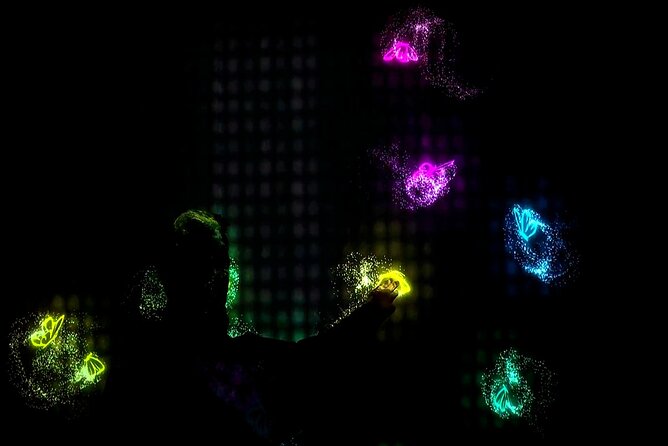
Admission costs $21.68 per person, with all fees and taxes included. A mobile ticket is provided, and there is no separate hotel pickup or drop-off. You need to make your own way to the museum, which is near public transportation.
The price makes the most sense if you value participation over duration. You receive about an hour in a purpose-built digital art room, not a full-day museum visit. For a family, the total cost can add up, but the format gives parents and children a shared activity rather than separate entertainment.
I see the strongest value for a rainy day, a family outing, or a group looking for something different from a standard city attraction. The experience is also a reasonable choice when you have limited time in Uppsala and want an activity that fits neatly into one hour.
The value is weaker if you want a large exhibition with many rooms, a long sequence of artworks, or advanced artificial intelligence that can interpret any drawing. The cube is focused and compact. You are paying for an interactive session, not a broad collection.
Planning your visit in Uppsala
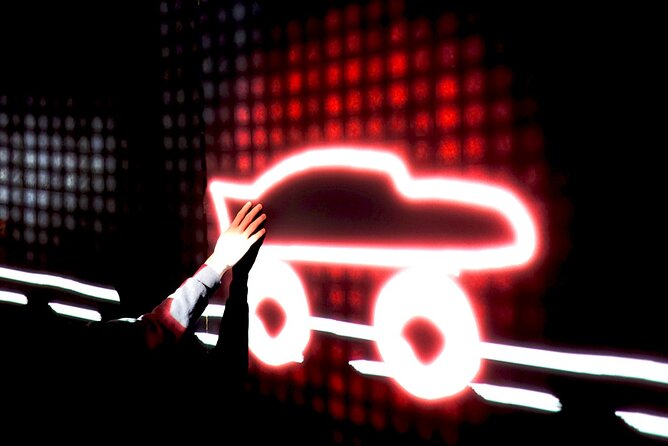
Cube of Art is open Wednesday through Sunday, from 10:00 a.m. to 6:00 p.m., during the stated operating period of December 26, 2024, through February 3, 2027. It is near public transportation, so you do not need hotel transport arranged through the experience.
A mobile ticket keeps entry simple. Booking confirmation is received at the time of booking, and the activity is designed so most people can participate. No guide names are provided, and the visit is centered on the technology and your own interaction with it rather than a guided tour.
The experience is booked an average of 17 days ahead. That does not guarantee that every session sells out, but it is a useful sign that you should not leave a popular date until the last minute, especially if you are planning a family visit or a group outing.
You can cancel for a full refund up to 24 hours before the start time. Cancellations or changes made inside that 24-hour window are not refunded or accepted. The local time at the museum determines the cutoff. A minimum number of participants is required, and if the provider cancels because that minimum is not met, you are offered another date or experience, or a full refund.
Who will enjoy Cube of Art most?
I would put this near the top of the list for families with children from toddler age upward. The art responds to movement, and the wall and floor activities give children an active role. Parents can join rather than spend the hour managing a passive museum visit.
It also suits teenagers who are open to trying a new kind of exhibition. The technology offers a fresh subject for photos and conversation, although the supplied information does not confirm photography rules, so you should check on arrival before using a phone.
Adults without children can enjoy it too, especially as a short creative break. You do not have to be an art expert. The appeal is in testing the system and seeing how a shared space responds to your actions.
Team groups are another good match. The setup gets people interacting quickly and can encourage cooperation without formal instructions. Just keep the space limits in mind if your group is large.
Who may want a different museum
Cube of Art may not satisfy you if you prefer quiet galleries, original physical objects, or detailed historical interpretation. This is about response and experimentation, not a collection of traditional artworks.
You may also want to adjust your expectations about color and artificial intelligence. The system can respond to drawings, but it may only recognize certain animals and objects. Some effects may seem less chaotic or colorful than you hoped, and the room may not feel fully enclosed overhead.
Space is the other concern. A small group can enjoy the room comfortably, while a busier session may reduce the freedom to move. If your main goal is personal control over the art, crowding could affect the experience more than it would at a conventional museum.
The practical verdict
I would book Cube of Art if you want a one-hour activity that gets your whole group involved. It is especially useful for families, rainy-day plans, teenagers, and team outings. The strongest feature is not any single image. It is the simple pleasure of seeing your movement change the room.
I would pause before booking if you expect a large exhibition, flawless image recognition, or a constantly spectacular color show. At $21.68, the experience offers fair value for a focused interactive session, but its compact scale and changing comfort with group size are important parts of the decision.
For the best chance of enjoying it, go with modest expectations, give yourself time to experiment, and remember that the art works best when you take part.
FAQ
Where is Cube of Art located?
Cube of Art is located in Uppsala, Sweden.
How long does the experience last?
The experience lasts approximately one hour.
How much does admission cost?
The listed price is $21.68 per person, including all fees and taxes.
What days is Cube of Art open?
Cube of Art is open Wednesday through Sunday.
What are the opening hours?
The listed opening hours are 10:00 a.m. to 6:00 p.m.
Is transportation to the museum included?
No. Hotel pickup and drop-off are not included. The museum is near public transportation.
What is included with admission?
Admission to Cube of Art, along with all fees and taxes, is included.
Is a mobile ticket available?
Yes. The experience includes a mobile ticket, and confirmation is provided at the time of booking.
Can I cancel for a full refund?
Yes. You can cancel for a full refund at least 24 hours before the experience start time. Changes or cancellations made less than 24 hours in advance are not accepted or refunded.
Just added around Sweden
- Gothenburg: Alfie Atkins Cultural Centre Admission Ticket★ 4.2 · 12 reviews
- GOT Gothenborg Landvetter Airport: Vinga Lounge Access★ 3.5 · 52 reviews
- From Stockholm: Archipelago Hike to Landsort Lighthouse★ 5.0 · 26 reviews
- Stockholm: Sigtuna and Uppsala Viking History Day Tour★ 4.7 · 41 reviews
- Private Golden Hour Photo Walk in Stockholm★ 5.0 · 3 reviews
- Premium Aurora Snowmobile Ride With Panoramic Views★ 4.9 · 42 reviews
- From Abisko: Kärkevagge Valley & Trollsjön Lake Guided Tour★ 5.0 · 4 reviews
- Experience the majestic Auroras Kiruna-Abisko & lodge dinner★ 5.0 · 23 reviews
Museums, compared.


Stockholm Pass: Save up to 50% – Includes Vasa Museum Ticket
Read our review →



Skip the Line: Disgusting Food Museum Entrance Ticket
Read our review →
Vasa Museum Guided Tour, Including Ticket & Guide
Read our review →
Browse the lists this tour appears in