

Reviewed · ARCHIPELAGO CRUISES
Culinary Kayaking Adventure – Saint Anna Archipelago of Sweden
The best part of this four-day trip is the way kayaking and cooking share equal billing. You paddle through forested islands, bird sanctuaries, and bare outer skerries, then turn gathered sorrel, berries, herbs, and local fish into dinner. I like the small group of no more than eight people and the thoughtful base-camp setup. I also like the gentle mix of activity, quiet, and practical outdoor skills.
The main catch is that this is still a real camping trip. Weather can turn, paddling can be strenuous, and you need to help with camp and meals. At $1,954.27 per person, the price is high, but it covers transfers, guides, camping, drinks, and nearly all meals. You are paying for a carefully managed wilderness experience, not simply a kayak rental.
Key points at a glance
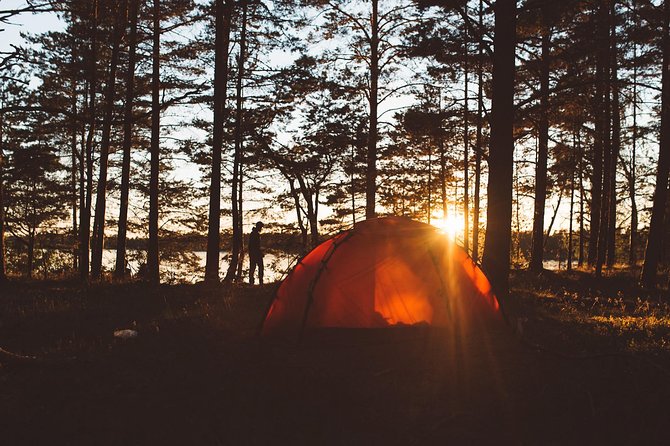
- Four days through three distinct parts of the archipelago: Start among large forested islands, move through smaller island clusters, and reach the spare, wind-shaped outer skerries if conditions allow.
- Foraging is part of the menu: Gather sorrel, chives, juniper berries, oregano, ground-ivy, mushrooms, berries, and other edible plants with the culinary team.
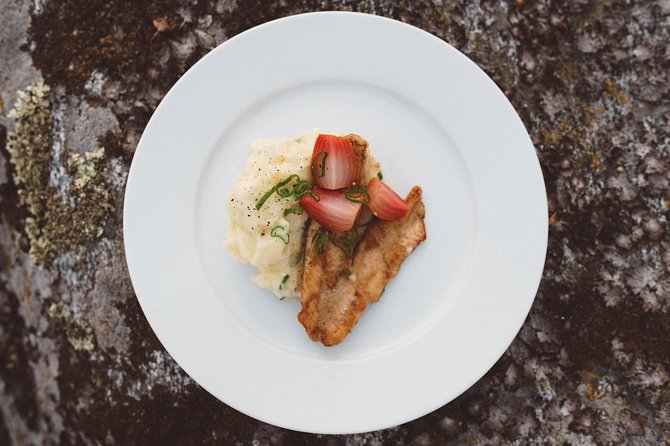
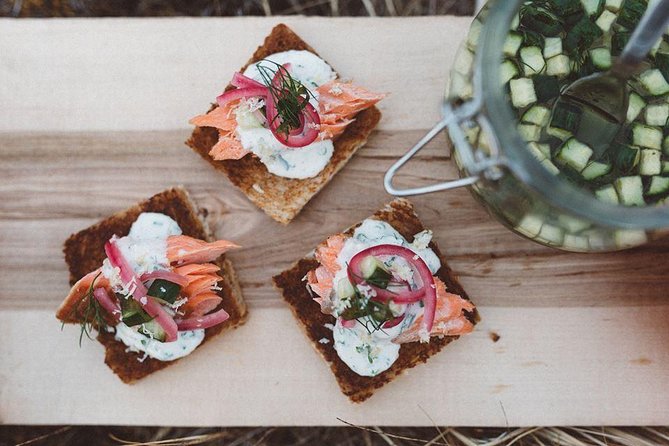
- Helena’s camp kitchen is the heart of the trip: You help make jams, pickles, fire-cooked meals, and a final feast featuring the local fisherman’s catch.
- Beginners can join the kayaking: You do not need advanced paddling skills, but you should be comfortable with several hours on the water and outdoor camping.
- A small group keeps the experience personal: The maximum is eight people, with guides handling transport, paddling instruction, cooking, and camp routines.
- Norrköping is the practical starting point: Pickup is at 10:00 a.m. from the train station or a hotel or hostel, with useful airport connections through Stockholm Skavsta, Stockholm Arlanda, and Linköping.
Why the food matters as much as the paddling
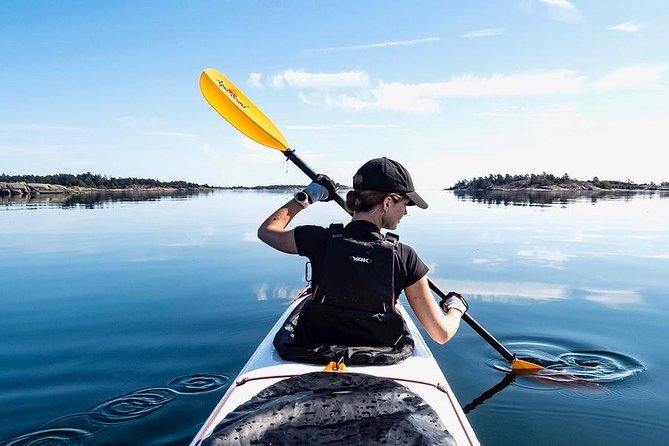
Many kayaking trips treat meals as fuel. This one makes food the reason to pause, explore, and pay attention to the islands. You may gather sea-meadow plants at lunchtime, then return to camp with ingredients for the next meal. The cooking gives the trip a clear purpose beyond covering distance.
Helena leads the culinary side, and her outdoor kitchen is a serious feature rather than a token camp stove. You might help make jam and pickles, prepare plants gathered during the day, or cook a large evening meal over a fire. The food has been described as impressive enough for a proper kitchen, which is notable when rain, wind, and limited equipment are part of the setting.
The guides also keep you involved. You are not simply handed a plate while someone else does all the work. That suits you if you enjoy learning by doing. It may not suit you if you want a fully catered escape with no camp chores.
The ingredients also give you a better sense of place. Sorrel, rose hips, hawthorn, barberries, juniper berries, oregano, and ground-ivy are not decorative additions. They connect the meal to the islands and show how Swedish cooking can draw from local plants and preserved foods.
Other trips out into the islands from Sweden:
- Stockholm: City Archipelago Sightseeing Cruise with Guide
★ 4.3 · 10,798 reviews - Stockholm: Archipelago Boat Tour
★ 4.4 · 3,110 reviews - Stockholm Archipelago Cruise with Guide
★ 4.0 · 1,125 reviews
Day 1: Wooden houses, sea meadows, and the inner islands
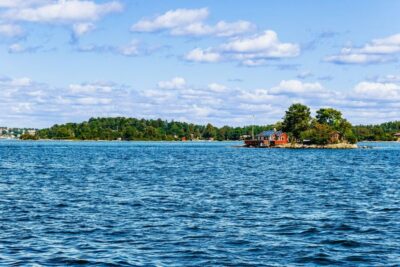
Pickup begins at 10:00 a.m. in Norrköping. From there, the trip moves into the inner Saint Anna Archipelago, where large wooded islands and old wooden houses create a softer introduction than the exposed outer coast.
You start with a short paddle, then stop beside a sea meadow. This is one of the area’s special habitats, with salt-resistant plants growing along the water’s edge. The pause is useful for two reasons: you get a break before the longer afternoon paddle, and you begin learning how to identify edible plants.
The gathered ingredients can include greens, rose hips, hawthorn, and barberries. Some are remnants of the islands’ older settled life, when people cultivated and used what grew around them. That small detail gives the first day more depth. You are not merely passing pretty houses and shorelines. You are noticing how people once lived with the land and sea.
After lunch, you continue through the inner islands. The waterway becomes a maze, with islands stretching in every direction. Navigation and scenery work together here. You get the pleasure of making progress by paddle while also feeling tucked inside a large network of sheltered channels.
Late in the afternoon, you reach camp. The culinary guide is already preparing the evening meal and ingredients for later days. Everyone helps with cooking, and the first night can include sorrel, orpine, chives, and juniper berries.
The first day is long, listed at about 20 hours because it includes the full arrival, paddling, camp, and evening rhythm. Do not read that as 20 hours of continuous kayaking. Still, you should expect a full day outdoors and arrive ready to work after the transfer.
Day 2: Bird sanctuaries and the Aspöja camp
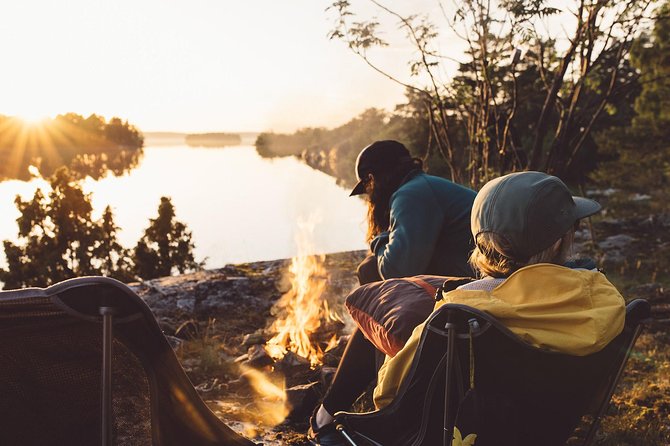
Morning begins with breakfast and, if you like, a swim. The water may be mirror-calm, but conditions are never guaranteed, so the morning dip is an option rather than a central activity.
The route now passes through bird sanctuaries and dense clusters of small islands. Sea eagles are a likely sight, and seals are possible if luck is on your side. The guides can point out wildlife, but this is not presented as a dedicated wildlife cruise. Your attention remains divided between paddling, birds, weather, and the changing shoreline.
The middle archipelago looks different from the inner section. Islands become smaller and more numerous. That makes the route feel more open and intricate, with plenty to watch as you move between channels.
The group aims to reach the next camp in the early afternoon. This camp has a different feel from the pine trees and moss of the first island. Deciduous woods, open glades, and grazing animals create better conditions for mushrooms, berries, and meadow herbs.
You may gather oregano and ground-ivy for dinner. The shift in plant life is one of the strongest parts of the itinerary. Each camp is not just a sleeping place. It brings a different set of ingredients and a different kind of shore to explore.
A base-camp approach also makes the trip more manageable. One person described it as helpful to have a fixed camp for day trips around the archipelago. You still carry out outdoor routines, but the trip does not feel like four straight days of packing and unpacking every item.
Day 3: The exposed outer archipelago
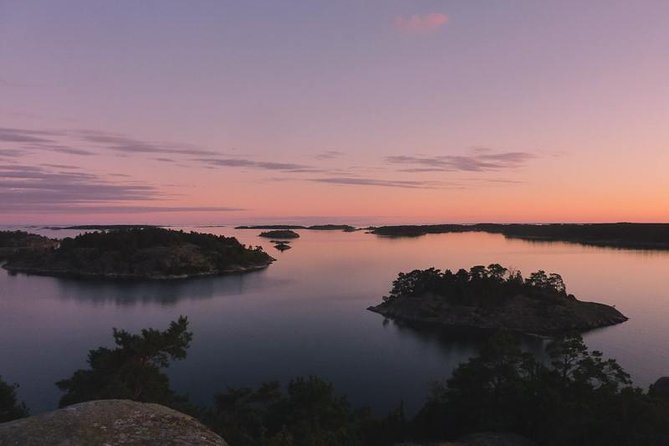
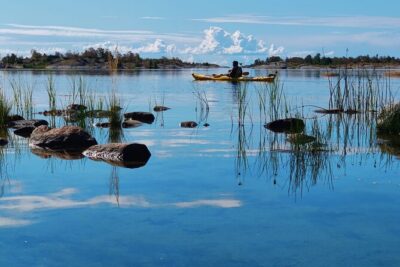
If the weather cooperates, day three reaches the outer archipelago. This is the most striking change of scenery: hundreds of tiny, mostly bare islands, a few wind-shaped pines, salt-tolerant plants, and a wide blue horizon.
The outer islands offer solitude, but they also demand more from you. The day includes a strenuous paddle, and the open setting can make wind and weather more important. Beginners are welcome on this trip, but that does not mean the paddling is effortless. You should have a reasonable level of fitness and be prepared to follow the guide’s advice if conditions change.
This section is likely the visual high point. The wooded inner islands give way to spare rock, open water, and a much stronger sense of exposure. I would not choose the tour solely for the outer archipelago, since access depends on weather. I would choose it knowing that the inner and middle sections still provide the main experience.
By late afternoon, you return to camp. A local fisherman arrives with the catch of the day, and the group prepares a final feast. The rest of the Do the North crew may join for the evening, giving the night a social finish.
That dinner matters because it brings together the trip’s main themes: local food, shared work, island life, and a meal that would be difficult to create in an ordinary campsite. Alcoholic drinks are included, along with coffee and tea, so the evening has more of a celebratory feel than a basic camp dinner.
Other paddles around Sweden:
- 1-Day Small-Group Stockholm Archipelago Kayak Tour
★ 5.0 · 266 reviews - Stockholm City Kayak Tour
★ 5.0 · 194 reviews - Stockholm: Guided Kayak City Tour & Optional Midsummer Meal
★ 4.6 · 170 reviews - Stockholm: Winter Kayaking, Swedish Fika and hot Sauna Experience
★ 5.0 · 156 reviews
Day 4: A final paddle through the island maze
The last morning starts with breakfast and camp packing. You then paddle toward a different mainland site from the starting point, so the final route is not simply a return along the same path.
New bird sanctuaries appear as you approach the end. A narrow canal leads you out of the island maze, and then signs of settlement return: a bay filled with small cabins and old houses. The transition is quick and satisfying. After several days of open water and remote camps, a modest cluster of buildings feels surprisingly lively.
The final day is listed at about 12 hours, again reflecting the complete day rather than continuous paddling. You should expect a substantial morning outdoors before reaching the mainland and finishing the transfer arrangements.
You leave with practical ideas for cooking outdoors, not just scenic memories. That may be the trip’s most lasting gift. You learn that a meal beside the sea can be built from simple equipment, local ingredients, and a willing group.
What the guides and group setup add
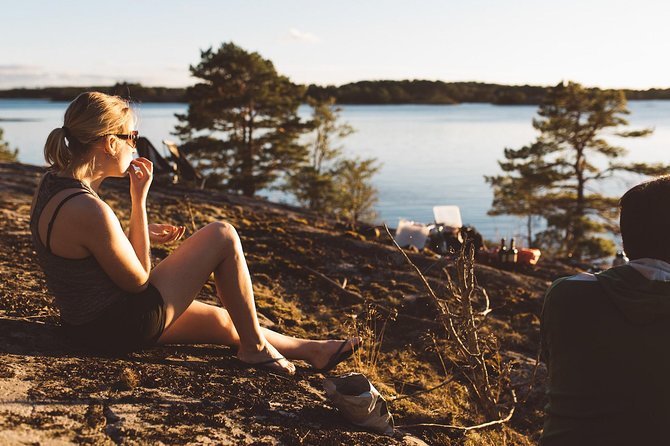
The team includes kayaking and wilderness guides such as Rob and Thomas or Tomas, along with Helena on the culinary side. The supplied information uses both Thomas and Tomas, so confirm the current guide team when booking if names matter to you.
The guiding appears hands-on. Rob has helped with paddling, camp tasks, and even woodwork, while Thomas or Tomas has handled equipment orientation and practical support. One participant injured a wrist during the trip and received a makeshift birch splint, then was later taken out by water taxi while the group continued kayaking. That is not a reason to expect medical care on demand, but it does show the kind of practical problem-solving the team may provide.
The group size is capped at eight. That is important on a trip where everyone helps prepare food and manage camp. With a small group, your attitude affects the whole experience. A cooperative group can make breakfast, paddling, and evening cooking feel easy. A group that dislikes chores could make the same itinerary feel tiring.
The minimum age is 18, and the maximum listed weight is 120 kilograms. Most people can participate, and beginners are welcome. The key qualification is a genuine interest in cooking. You do not need to arrive as a chef, but you should want to chop, gather, stir, wash up, and learn.
Price, transport, and what you receive
The price is $1,954.27 per person. That is a substantial sum for four days, but the package covers more than the paddling itself.
Included services are:
- Hotel pickup and drop-off
- Round-trip private transfer
- Driver and guide
- Local guide
- Breakfast for three mornings
- Lunch for three days
- Dinner for three nights
- Coffee and tea
- Alcoholic beverages
- Mobile ticket and English-language operation
The camping equipment has also been praised for its quality, including good tents and comfortable sleeping pads. Since the supplied inclusions do not list every piece of equipment individually, ask what you need to bring before departure.
The value is strongest if you would otherwise need to arrange transport, kayak equipment, meals, wilderness guidance, and food supplies separately. It is weaker if you already own camping gear and only want a short guided paddle.
You will need to arrange your own flights and airport transfers. Norrköping is the meeting point, and staying there the night before makes sense because pickup is at 10:00 a.m. Stockholm Skavsta Airport is about 55 minutes away by airport shuttle. Stockholm Arlanda connects to Norrköping by direct train in about two hours, while Linköping City Airport is about a 25-minute train ride from Norrköping, followed by a short taxi ride to the train.
Norrköping itself gives you a pleasant buffer before the trip, with restaurants and a notable waterside setting. Building in that extra night is the sensible choice rather than trying to rush from an international flight to the pickup.
Weather, effort, and what to pack for mentally
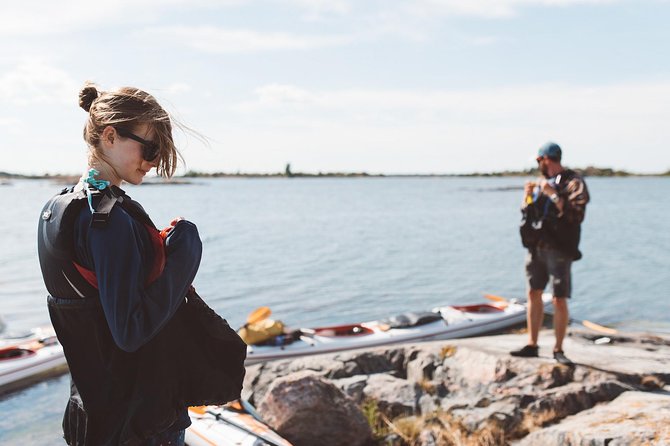
The trip’s strongest memories may come from calm water and clear skies, but you should prepare for less cooperative weather. One group experienced rain for 36 hours, yet the cooking continued. That is encouraging, but it also tells you exactly what kind of trip this is.
Bring clothing that works in layers and protects you from cold, wind, and rain. One participant arrived without enough warm gear and relied on help from Rob. Treat that as a warning. The archipelago can look gentle while still feeling cold on the water.
You should also expect physical effort. The final route, camp setup, and outer-archipelago paddle can all take energy. If you want a relaxed boat ride with no exertion, choose something else. If you like a day that moves between paddling, gathering, cooking, and quiet time, the pace should fit well.
Free cancellation is available up to 24 hours before the local start time. Changes or cancellations inside that window are not accepted for a refund, so keep your travel plans firm as the departure approaches.
Who should book this Saint Anna trip
I would choose this for an adult who values food as much as scenery and likes the idea of learning through participation. It suits couples, friends, and solo bookers who are comfortable meeting new people and sharing camp duties.
It is also a good match for a beginner kayaker who wants expert support without giving up the feeling of being out in the wild. The small group, transfers, meals, and supplied gear remove much of the planning burden.
I would hesitate if you dislike sleeping outdoors, need a fixed schedule protected from weather, or want restaurant-style service. The trip is comfortable by wilderness standards, but it is still wilderness camping. I would also think twice if your main goal is advanced kayaking technique. The emphasis here is on food, scenery, foraging, and shared camp life.
Should you book it?
Book it if you want Sweden’s Saint Anna Archipelago as a living place rather than a backdrop. You will paddle through several distinct coastal zones, cook with plants gathered nearby, eat a fisherman’s catch, and spend nights on islands that are far removed from ordinary sightseeing.
The price is not modest, but the small group, private transfers, meals, guides, and well-prepared camp make it easier to justify. My main advice is simple: arrive in Norrköping the night before, pack warm waterproof clothing, and be ready to work. If those conditions sound appealing, this is a rare trip where the cooking may stay with you as long as the scenery.
FAQ
How long is the Culinary Kayaking Adventure?
The experience lasts approximately four days, with activities spread across four itinerary days.
Where does pickup take place?
Pickup is at 10:00 a.m. in Norrköping, either at the train station or at a hotel or hostel of your choice.
Can beginners join the kayaking trip?
Yes. Kayaking beginners are welcome, but you should have a genuine interest in cooking and be prepared for outdoor activity.
How many people can join the group?
The maximum group size is eight people.
What meals are included?
The package includes three breakfasts, three lunches, and three dinners, along with coffee, tea, and alcoholic beverages.
Are flights included?
No. Flights and airport transfers are not included.
What airports can I use to reach Norrköping?
Stockholm Skavsta Airport is about 55 minutes away by airport shuttle. Stockholm Arlanda has a direct train to Norrköping taking about two hours. Linköping City Airport is connected by a train journey of about 25 minutes, followed by a short taxi ride to the train.
What is the cancellation policy?
You can cancel up to 24 hours before the local start time for a full refund. Cancellations or changes made less than 24 hours before the start are not accepted for a refund.
More food tours in Sweden
- The Nordic Food Walk Stockholm
★ 4.5 · 642 reviews - Stockholm Food Tour
★ 4.5 · 404 reviews - Skip the Line: Disgusting Food Museum Entrance Ticket
★ 5.0 · 359 reviews - Stockholm: Secrets of Gamla Stan Guided Tour w/ Fika Option
★ 4.7 · 282 reviews
Just added around Sweden
- World War II Stockholm Old Town Walking Tour and Army Museum★ 4.6 · 4 reviews
- Vaxholm & Stockholm Archipelago: Guided Excursion, Day Trip★ 4.8 · 41 reviews
- Wilderness Tour with Snowmobile & Ice Fishing★ 4.9 · 28 reviews
- West Sweden: Sea Kayak Delight in Nature Reserves★ 5.0 · 6 reviews
- Self-Guided Audio Walking Tour Through Kurt Wallander’s Ystad★ 3.5 · 12 reviews
- Stockholm: Archipelago Guided Boat & Walking Tour of Vaxholm★ 3.1 · 23 reviews
- Uppsala bloody history 1h- racial biology, 18th century plague, 19th century prostitution etc.★ 5.0 · 4 reviews
- Uppsala’s biggest attractions – 1h city walk in Uppsala city.★ 4.5 · 3 reviews
Archipelago Cruises, compared.
City Archipelago Sightseeing Cruise with Guide
Read our review →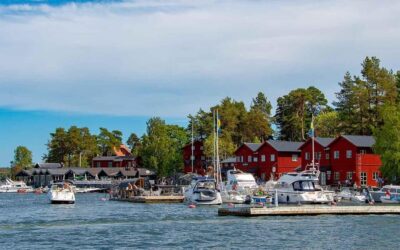
1-Day Small-Group Stockholm Archipelago Kayak Tour
Read our review →
Archipelago Islands Kayak Tour and Outdoor Picnic
Read our review →
Browse the lists this tour appears in