
Reviewed · WILDLIFE SAFARIS
Stockholm: Wildlife Safari
The best part of this Stockholm safari is that it feels like a real search, not a wildlife show. You ride into the forest at dusk, follow tracks on foot, and scan the edges of fields and lakes for moose, deer, boar, beavers, and birds. I like the small group of no more than eight and the mix of van travel with a short hike. I also like the campfire meal, Swedish cook-coffee, and mud cake, which give the evening a warm center.
Nature makes the rules here. You may see moose, or only deer, birds, and animal tracks. Fog, snow, darkness, and weather can all change what appears. The guides do not feed or lure animals, so this is a genuine wildlife outing, not a guaranteed animal checklist.
Key points at a glance
- Moose spotting after sunset: A large torch helps you scan the forest once daylight fades, when many animals become active.
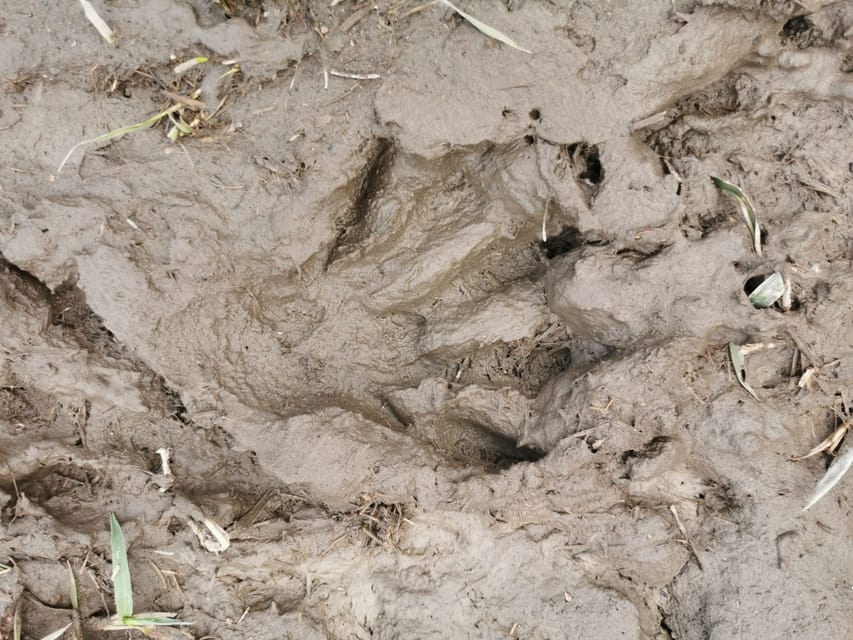
- A real tracking walk: Look for signs of boar, beavers, deer, and other animals while learning how wildlife uses the forest.
- Small, personal groups: With a maximum of eight people, it is easier to hear the guide and share sightings.
- Campfire food included: Prepare a simple meal, warm up with Swedish cook-coffee, and try campfire mud cake.
- Several sighting areas: The van lets the guide check more than one location instead of relying on a single patch of forest.
- Wildlife is never promised: Moose, deer, boar, beavers, birds of prey, and foxes are possible, but no animal is baited or guaranteed.
Why this feels different from a city tour
Stockholm is easy to enjoy from its old streets, museums, and waterfront. This outing gives you a different side of the region: quiet woods, open areas, darkening skies, and the patient business of looking for animals that may never show themselves.
You begin at the True Nature Sweden office at Urban Basecamp, Tideliusgatan 62. From there, an air-conditioned van carries your group out toward the forest. The drive matters because wildlife does not gather neatly beside a sightseeing stop. By visiting several likely areas, the guide can respond to recent animal movement and changing conditions.
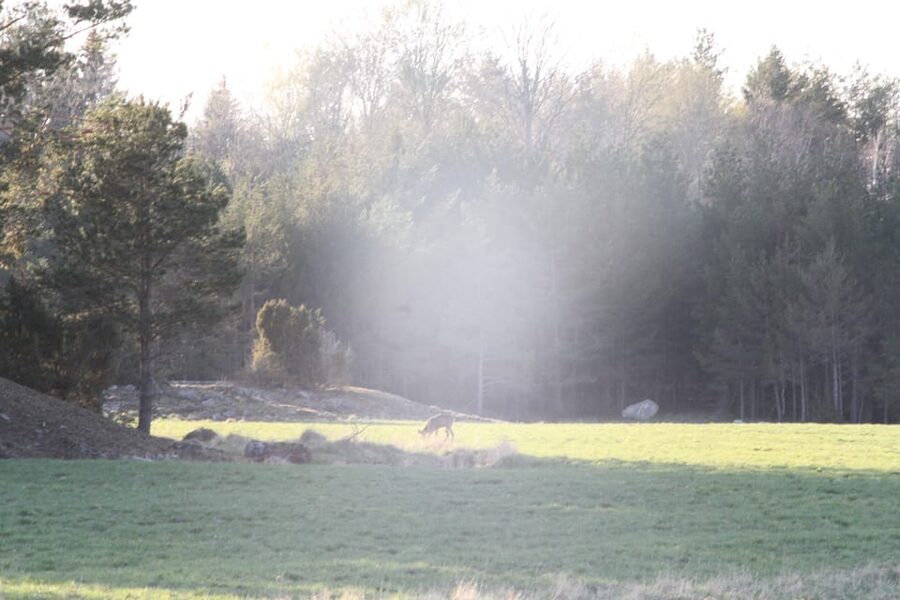
The evening timing is important. At dusk, the forest changes character. Deer may move into open areas, moose can appear near roads or fields, and birds settle as the light fades. Once it is dark, the guide uses a large torch to check suitable areas. You are not simply riding around hoping for a lucky glimpse. You are learning where to look and why.
Other wildlife evenings out of Stockholm:
- From Stockholm: Moose & Wildlife Safari with Campfire Dinner
★ 4.5 · 269 reviews - Evening Wildlife Safari with Campfire Dinner from Stockholm
★ 4.5 · 155 reviews - Stockholm: Evening Wildlife Safari with Midsummer Meal
★ 4.2 · 130 reviews
A five-hour search by van and on foot
The exact order depends on daylight, weather, and recent sightings, but the outing combines three useful elements: driving, walking, and time around a fire.
The van covers several sighting spots. This is a practical feature, not just a comfort. One area may be quiet while another has fresh signs or better visibility. You might stop near forest edges, lakes, or open ground, then continue if conditions do not look promising.
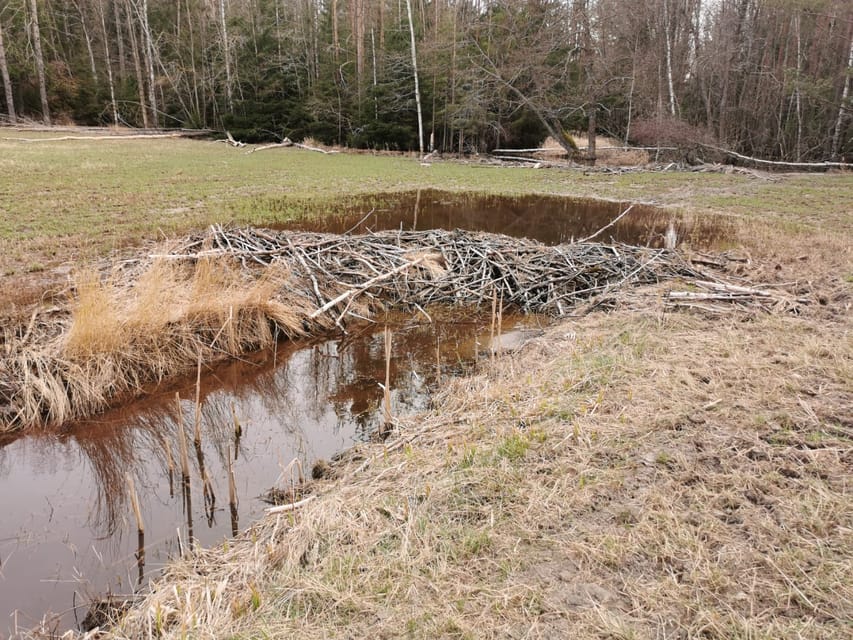
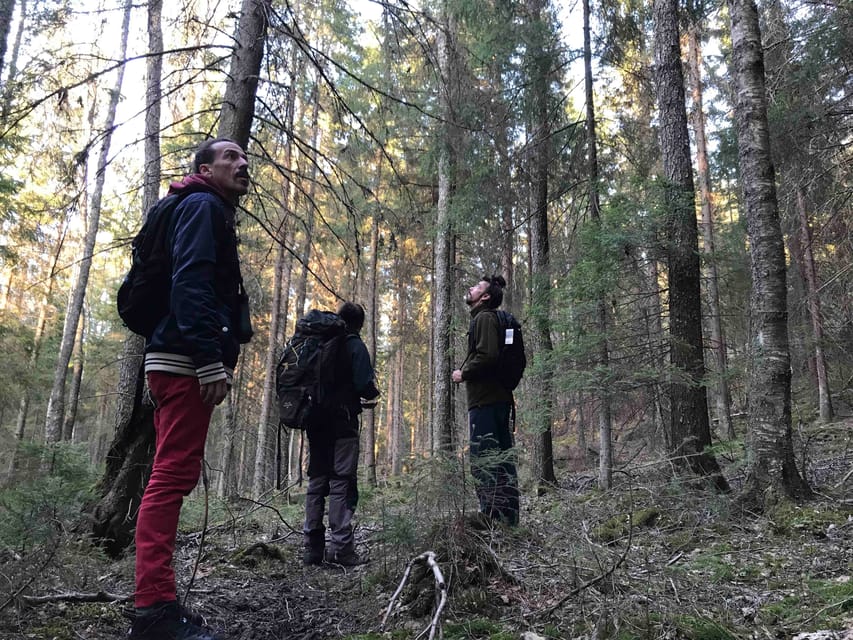
The walking section lets you slow down. Your guide may point out tracks, droppings, feeding marks, or other clues. The supplied information specifically highlights signs of wild boar and beavers, while past outings have included ant hills, toads, hares, cranes, and wild salmon. You receive quality binoculars, so bring your attention as well as your camera.
Do not expect a strenuous wilderness expedition. One group described the hike as relatively low impact, with the quiet forest and natural beauty providing as much pleasure as the animals. Still, you need proper hiking shoes or boots and clothing suited to the weather. The ground can be wet, cold, snowy, or uneven, depending on the season.
The small group size helps here. A guide can explain a track without shouting over a crowd, and you have a better chance to pause when someone spots movement. Guides who have led this experience include Daniel, Andrew, Saga, Lucas, and Alex. Their approach can make a big difference, since animal watching depends on patience, good judgment, and clear explanations.
What you might see in the Swedish forest
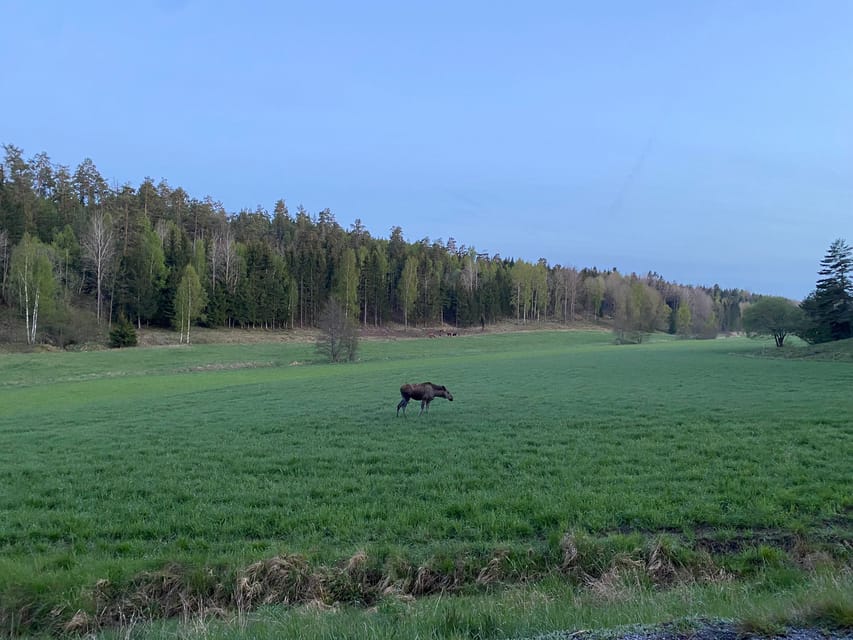
The moose is the headline animal. Sweden’s largest land mammal is the sight that brings many people along, and moose have appeared on past outings. But you should not measure the safari only by whether one walks into view.
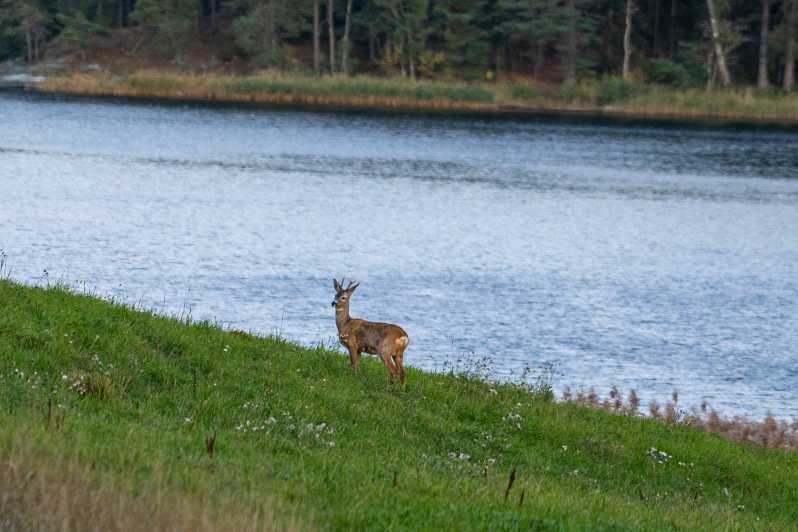
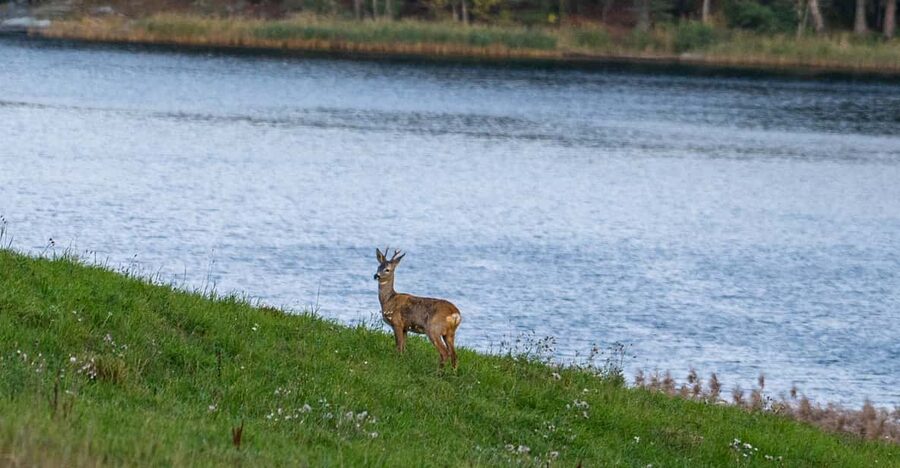
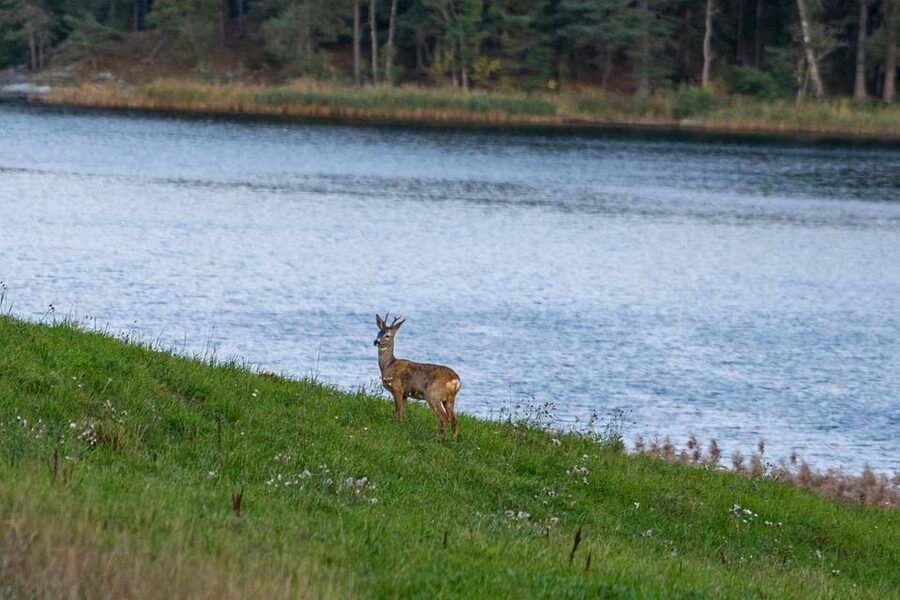
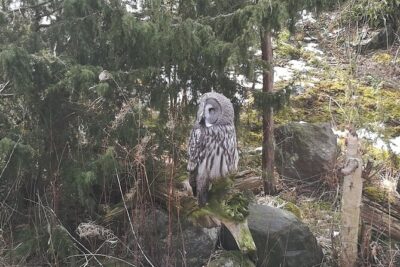
Deer are among the more realistic possibilities. The experience can include roe deer and fallow deer, sometimes in good numbers. Wild boar also appear in the area, and one outing encountered two large groups. Beavers, foxes, hares, cranes, geese, lapwings, birds of prey, woodpeckers, and other birds are also possible.
Wolves and lynxes are named as animals you might spot, but their presence should be treated as a remote possibility rather than an expectation. The same applies to eagles and wild boar. Your guide can improve your odds by following animal movement, but no one can control what comes out of the forest.
That uncertainty is part of the value. A zoo gives you a reliable view. This outing gives you the thrill of not knowing. One group saw only deer, yet still enjoyed walking through the woods, learning about the area, and spending time beside a frozen lake. Another saw no clear view through thick fog, then spotted two moose on the drive home. The forest does not follow a schedule.
The guide brings the forest into focus
The guide does more than point out animals. You learn about feeding habits, behavior, habitat, and the places where different species are more likely to appear. You may also learn how to make a fire with a knife and flint, adding a useful outdoor skill to the evening.
Daniel has been praised for explaining both nature and Swedish culture, while Andrew has led groups through fog and changing visibility. Saga has guided a quiet hike in an old-growth nature reserve. Lucas has made a strong effort to explain what the group encountered, and Alex has been described as both funny and helpful.
These details matter because there can be long stretches with no animal in view. A good guide turns waiting into part of the experience. Instead of staring at an empty field, you learn what the animals eat, how they move, and why a certain spot is worth checking.
Still, the experience depends partly on the individual guide and the conditions that night. You should book it for the whole forest outing, not only for a photograph of a moose.
Same city, a completely different afternoon:
- Stockholm: City Archipelago Sightseeing Cruise with Guide
★ 4.3 · 10,798 reviews - Stockholm: Skansen Open-Air Museum Admission Ticket
★ 4.5 · 3,427 reviews - Stockholm: Archipelago Boat Tour
★ 4.4 · 3,110 reviews - Stockholm: Highlights Boat Tour
★ 4.3 · 2,542 reviews
Campfire food gives the evening a welcome pause
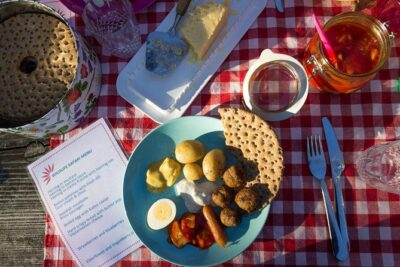
The included meal is simple rather than fancy. You can prepare a do-it-yourself wrap with a selection of fillings, then have Swedish cook-coffee and campfire mud cake. Tea and hot chocolate have also been available on outings.
I like this setup because it fits the setting. You are not being pulled back to the city for dinner at the most interesting point of the evening. Instead, you stop by the fire, eat outdoors, and have time to talk with the guide and the rest of the group.
The meal is part of the appeal, but it is not a restaurant dinner. If you have strict dietary needs, the supplied details do not explain the exact ingredients or substitutions, so ask before booking. Eco food and craft beers are included in the experience description, but alcoholic drinks are also listed as not included. Treat the beverage details as something to confirm when you reserve.
The campfire can also be the social heart of the trip. Families have enjoyed the relaxed pace, and children have liked walking in the woods, seeing deer, playing in snow, and crossing a frozen lake. Conditions vary, so do not assume those exact seasonal features will be present on your date.
How much value do you get for $151?
At $151 per person, this is not a cheap add-on to a Stockholm sightseeing day. The price makes more sense if you value a small group, round-trip transport, a professional guide, binoculars, a hike, campfire cooking, and five hours outside the city.
You are paying for access to several possible sighting areas rather than one fixed location. You also avoid arranging a car, finding suitable forest roads, or guessing where wildlife may be active. The guide’s local knowledge is especially useful after dark, when finding your own way would be difficult.
The value drops if your only goal is to see a moose. No wildlife safari can promise that here, and the tour openly avoids feeding or attracting animals. If you need a guaranteed animal encounter, choose a park or sanctuary instead.
For someone who wants an evening in nature and accepts uncertainty, the price is easier to justify. The campfire meal and drinks are included, and the eight-person limit keeps the experience personal. The free cancellation policy, with a full refund available up to 24 hours before the activity, and the reserve-now, pay-later option also reduce the risk of committing too early.
Practical details before you book
The activity lasts five hours and begins in the evening. Starting times vary, so check the date you want rather than assuming a fixed departure. The tour begins and ends at True Nature Sweden Office at Urban Basecamp, Tideliusgatan 62, Stockholm.
Transport is by air-conditioned vehicle. English is the tour language, and the group is limited to eight people. Binoculars are provided, but you should bring a camera, a daypack, hiking shoes or boots, and clothing suited to the forecast.
Dress for standing outside in fading light, not just for the van ride. Warm layers are sensible in cold weather, and weatherproof clothing will help if the forest is damp. Since the activity includes a hike, comfortable footwear matters more than city style.
The tour is family-friendly based on the experience of groups who brought younger children, but you should consider your child’s comfort with walking, darkness, changing weather, and waiting quietly. The information supplied does not give an age limit or an accessibility statement, so ask the provider if either point affects your plans.
Who should book this safari?
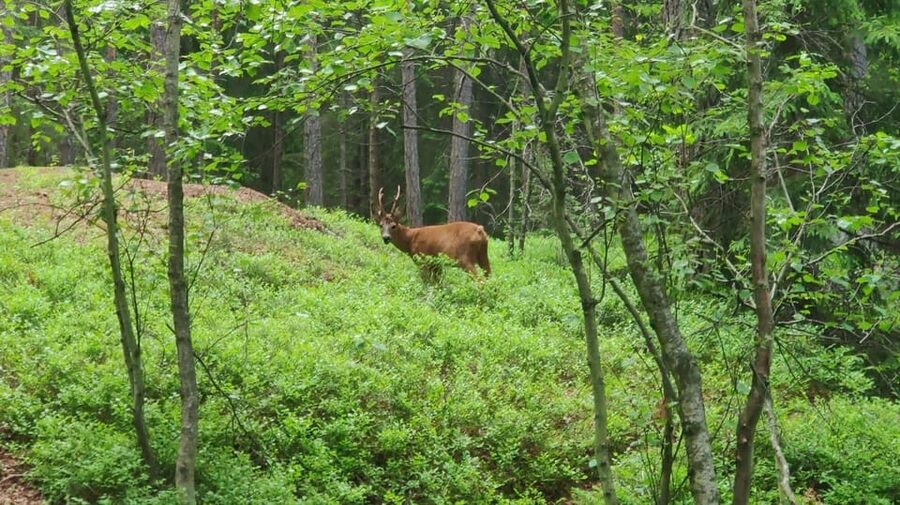
I would choose this outing if you have already seen Stockholm’s main sights and want a half-day beyond the city. It suits people who enjoy forests, photography, birdwatching, outdoor food, and the quiet tension of waiting for movement in the trees.
It also works well for families who want something less formal than a museum, provided everyone is ready for weather and an uncertain animal count. Couples and solo visitors can enjoy the small group, while repeat visitors to Stockholm may find it a useful change of pace.
I would hesitate if you dislike outdoor conditions, need a guaranteed sighting, or want a polished meal and a tightly timed schedule. Fog, snow, darkness, or a quiet forest are all possible. The reward comes from paying attention, not from ticking every animal off a list.
Should you book the Stockholm Wildlife Safari?
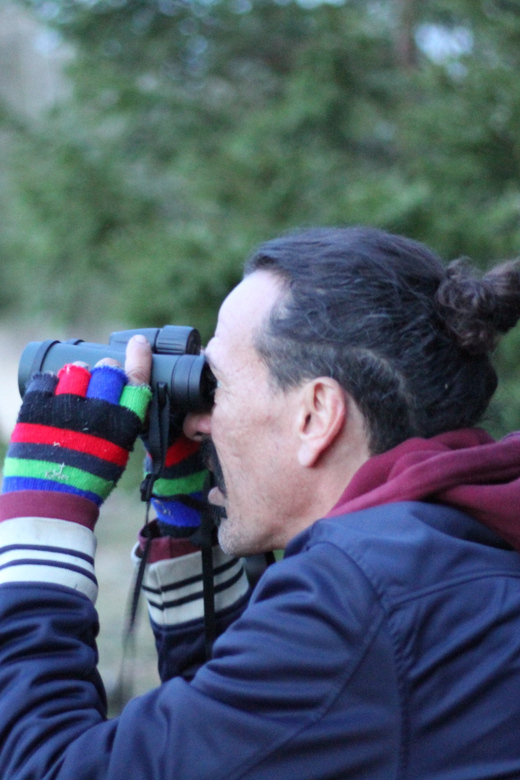
Book it if you want a genuine evening in Swedish nature, with a guide who can read the signs, a van that reaches several possible sighting areas, and a campfire meal to finish the outing. The most memorable moment may be a moose, but it may also be a deer at dusk, a crane over the water, boar tracks in the mud, or the stillness of a foggy forest.
Skip it if seeing a particular animal is essential. The strongest reason to go is not certainty. It is the chance to leave Stockholm’s streets behind and spend five patient hours seeing how the wild side of the region reveals itself.
FAQ
Where does the Stockholm Wildlife Safari begin?
It begins at the True Nature Sweden Office at Urban Basecamp, Tideliusgatan 62, 118 69 Stockholm.
Where does the activity end?
The safari ends back at the same meeting point.
How long does the safari last?
The activity lasts five hours. Starting times vary, so check availability for your chosen date.
What language is the tour conducted in?
The live tour guide speaks English.
How many people are in the group?
The group is limited to eight participants.
Is transport included?
Yes. Transport by air-conditioned vehicle is included, and the van takes you to several possible wildlife sighting areas.
Are binoculars provided?
Yes. Quality binoculars are included.
What animals might I see?
Possible sightings include moose, roe deer, fallow deer, wild boar, beavers, foxes, hares, birds of prey, cranes, woodpeckers, wolves, lynxes, and other birds. Wildlife sightings are not guaranteed.
Is food included?
Yes. The experience includes campfire cooking, eco food, Swedish cook-coffee, and campfire mud cake. Alcoholic drinks are not included.
What should I bring?
Bring a camera, hiking shoes or boots, weather-appropriate clothing, and a daypack.
Can I cancel the booking?
You can cancel up to 24 hours in advance for a full refund. The reserve-now, pay-later option is also available.
Just added around Stockholm
- From Stockholm: Archipelago Hike to Landsort Lighthouse★ 5.0 · 26 reviews
- Stockholm: Sigtuna and Uppsala Viking History Day Tour★ 4.7 · 41 reviews
- Private Golden Hour Photo Walk in Stockholm★ 5.0 · 3 reviews
- Best of Stockholm: Private Walking Tour with a Local★ 4.6 · 5 reviews
- Stockholm: Underground Metro Art Ride with a Local★ 4.5 · 18 reviews
- Stockholm: Underground Metro Art Ride with a Local Guide★ 4.6 · 39 reviews
- Bloody Stockholm: ghosts, horror and dark folklore 2h★ 4.8 · 12 reviews
- Millesgården Museum: sculpture park and art galllery★ 4.8 · 20 reviews
Wildlife Safaris, compared.
Evening Wildlife Safari with Campfire Dinner from Stockholm
Read our review →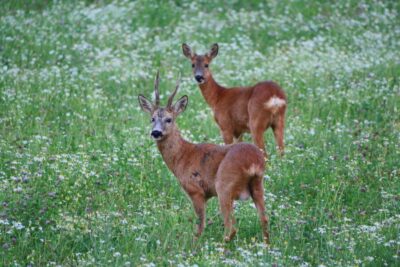
Browse the lists this tour appears in