
Reviewed · TOURS IN STOCKHOLM
Stockholm: Nordiska Museet Entry Ticket
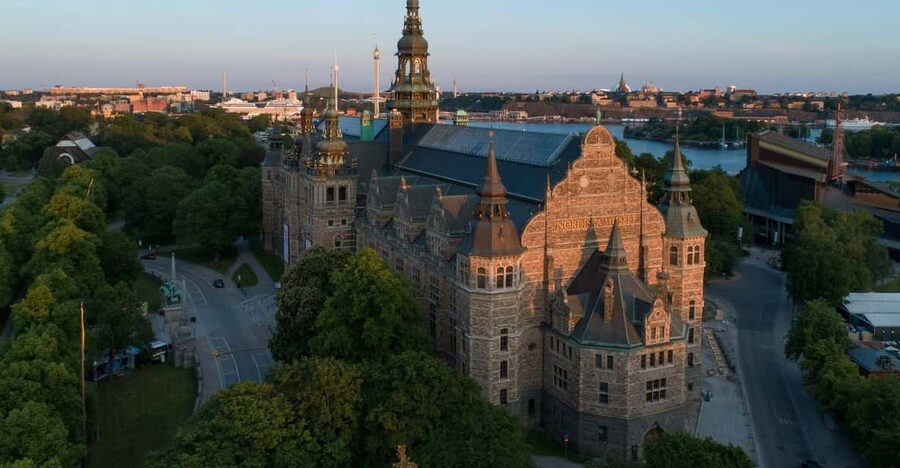
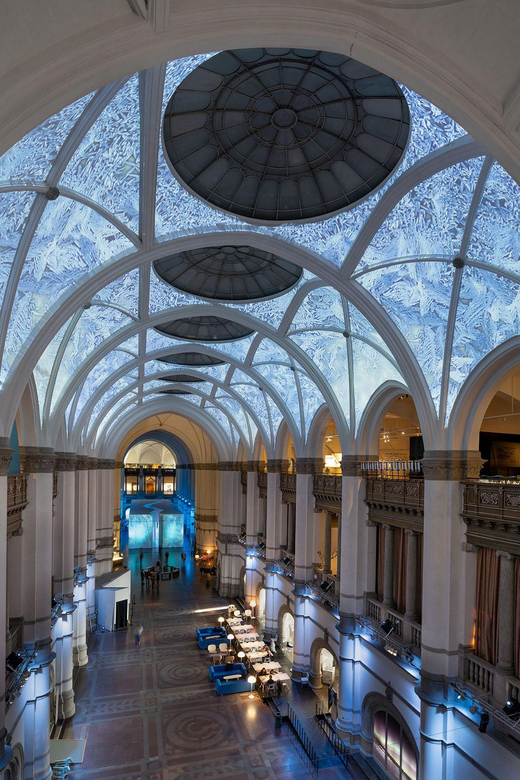
The most striking part of Nordiska Museet is the building itself, a grand landmark on Stockholm’s Royal Djurgården. Inside, the museum shifts your focus from kings and battles to ordinary Nordic life, including homes, food, clothing, family, belief, and the changing relationship between people and nature.
I like the broad sweep from the 16th century to today, and I like that the exhibits use real objects rather than only wall text. The large Nordic Life exhibition gives you a useful framework, while displays such as The Arctic and The 1940s Flat add more focused stories. The main drawback is that this is a self-guided museum visit, so you need to read the displays or use your own phone and headphones to get the most from it.
Key points to know before you go
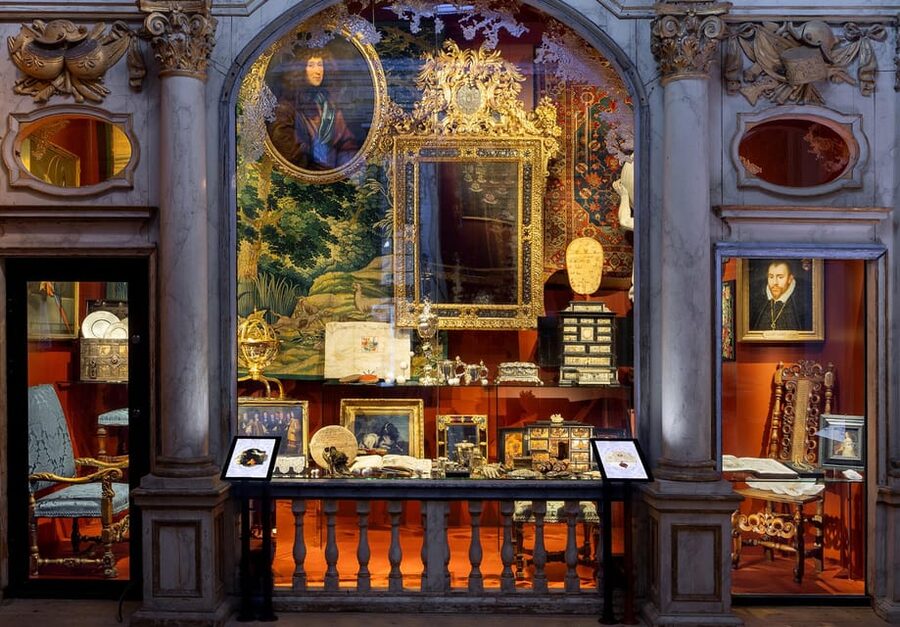
- Nordic Life covers five centuries of daily living, with sections on homes, families, nature, climate, and belief.
- The Arctic exhibition connects culture with a changing environment, including the issue of melting ice.
- The 1940s Flat recreates a 1947 home, offering a close look at domestic life in Sweden.
- Table Settings traces meals and feasts across five centuries, making history easy to picture.
- Your ticket is valid for one day, so you can take your time instead of rushing through every room.
- The museum is cash-free and accepts cards, while large bags, oversize luggage, food, and drinks are not allowed.
A grand entrance on Royal Djurgården
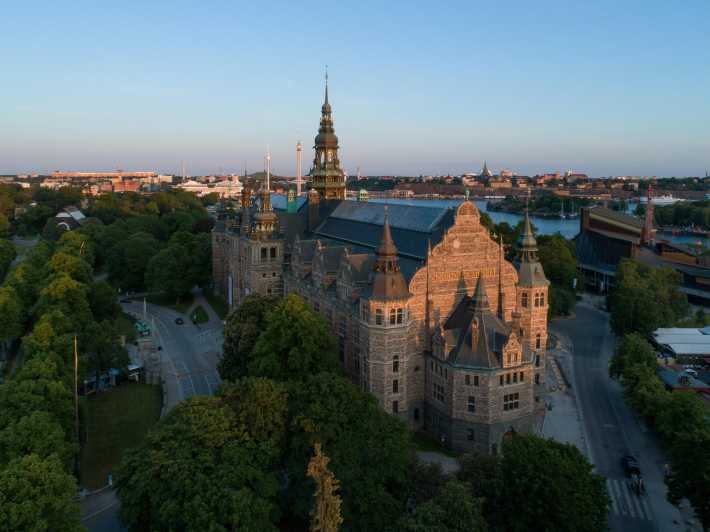
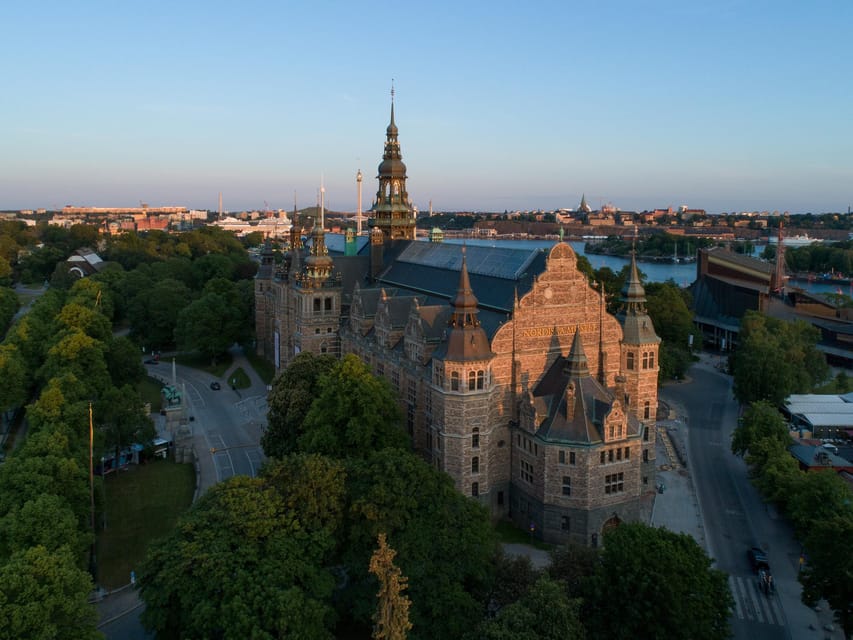
Nordiska Museet is easy to recognize. Its large historic building rises from the green setting of Royal Djurgården, one of Stockholm’s best areas for combining museums, walking, and fresh air.
Before you even reach the displays, take a moment to look at the architecture. The building gives the visit a sense of occasion, but the exhibits focus on daily life rather than royal ceremony. That contrast is part of the appeal. You enter an imposing building and then spend your time learning about homes, meals, clothes, family life, and personal customs.
Your entry ticket is shown to staff at the front desk. There is no included guide or guided tour, so you set your own pace. That works well if you want to stop for photographs, read only the subjects that interest you, or return to a section later in the day.
The museum is wheelchair accessible. It is also cash-free, so plan to use a credit or debit card in the shop and restaurant.
Other tickets worth booking ahead in Stockholm:
- Stockholm: Skansen Open-Air Museum Admission Ticket
★ 4.5 · 3,427 reviews - Stockholm Pass: Save up to 50% – Includes Vasa Museum Ticket
★ 4.1 · 2,392 reviews - Stockholm: Nobel Prize Museum and Exhibition Entry Ticket
★ 4.3 · 994 reviews
Nordic Life puts everyday culture first
Start with Nordic Life, the museum’s largest exhibition. It looks at how life in the Nordic countries has been shaped by the constant exchange between people, nature, and climate.
That approach helps you understand why the museum gives so much space to ordinary objects. A home, a piece of clothing, a meal, or a household tool can reveal how people adapted to their surroundings and to one another. Instead of treating culture as something distant, the exhibition connects it with choices made at home and in the community.
The display reaches from the 16th century to the present day. That long time span is useful, but it also means you should not expect every period to receive equal attention in every room. Think of Nordic Life as a broad guide to the subject, with other exhibitions supplying close-up views.
Look for material on several recurring themes:
- Nature and climate, including the ways people understand and respond to the natural world
- Homes and families, showing how private life changes over time
- Belief and customs, which help explain traditions and shared practices
- Objects from everyday life, where a small item can reveal larger social changes
You can read all exhibition texts and screens in Nordic Life on your phone through guide.nordiskamuseet.se. That is handy if you prefer reading at your own speed or if you do not want to rely on the audio guide.
Real objects make the stories easier to grasp
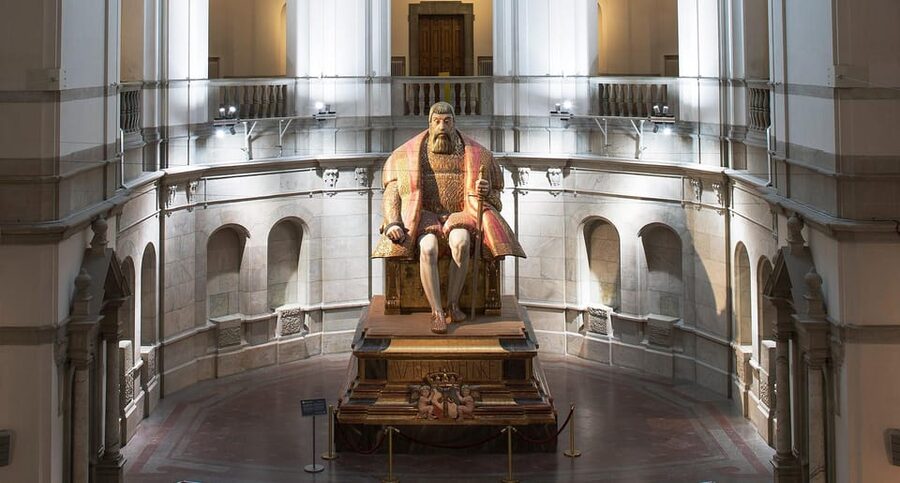
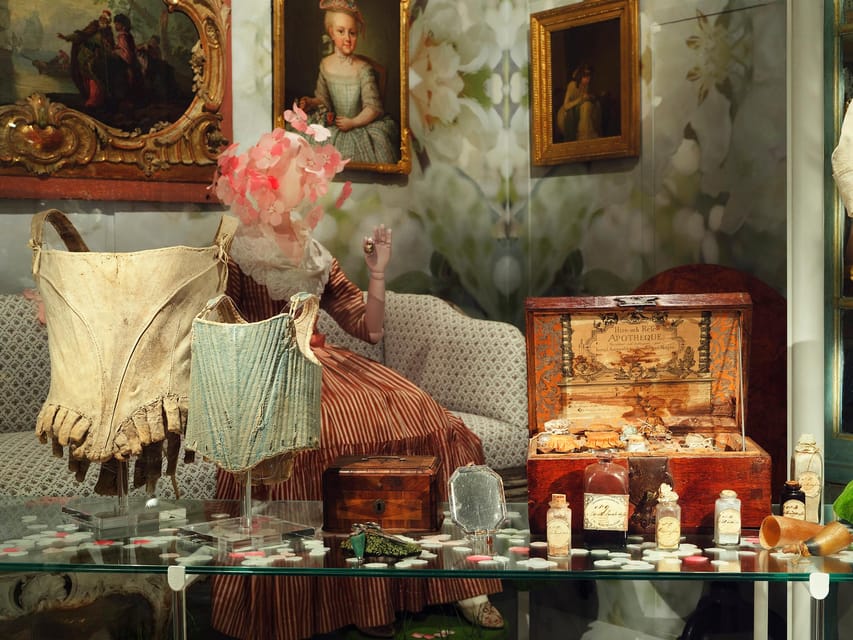
Nordiska Museet’s strength is its use of actual objects. You are not just reading that Nordic life changed. You can see the belongings, clothing, household pieces, and decorative items connected with those changes.
Objects give the displays a human scale. A formal explanation of family life can feel abstract, but a home interior or a carefully arranged table gives you something concrete to study. You can notice what was displayed, what was used, and what people considered important.
The museum is especially useful for travelers who want more than famous sights. Stockholm’s palaces and waterways tell part of the city’s story. Nordiska Museet adds the domestic side: how people ate, dressed, lived together, and thought about their surroundings.
The amount of material may feel large during a short visit. You do not need to read every label. I suggest choosing two or three themes that matter to you, then using the larger Nordic Life exhibition to connect them.
The Arctic shows culture under pressure
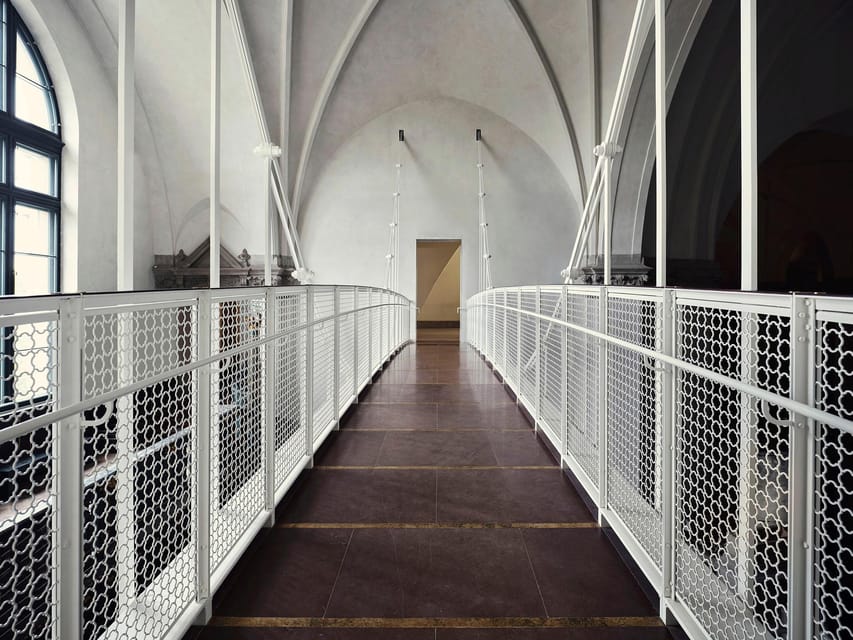
The Arctic exhibition gives the museum a more focused subject. It looks at life in the far north while addressing the fact that the ice is melting.
That makes the display more than a collection of northern objects. It links culture and place, showing why environmental change matters to the people who live in Arctic regions. The exhibit can help you think about the Nordic countries as more than Sweden, Denmark, Norway, Finland, and Iceland viewed through city life and design.
The Arctic section is a good choice if you are interested in nature, climate, or northern cultures. It also provides a change of pace from rooms about domestic interiors and fashion.
Keep in mind that the exhibition deals with a large subject in one museum section. If you want an extensive specialist study of Arctic history or climate science, this ticket may not be enough on its own. Here, the value lies in placing Arctic life within the wider story of Nordic culture.
Same city, a completely different afternoon:
- Stockholm: City Archipelago Sightseeing Cruise with Guide
★ 4.3 · 10,798 reviews - Stockholm: Archipelago Boat Tour
★ 4.4 · 3,110 reviews - Stockholm: Highlights Boat Tour
★ 4.3 · 2,542 reviews - Stockholm: Ghost Walk and Historical Tour
★ 4.7 · 2,206 reviews
Table Settings turns meals into history
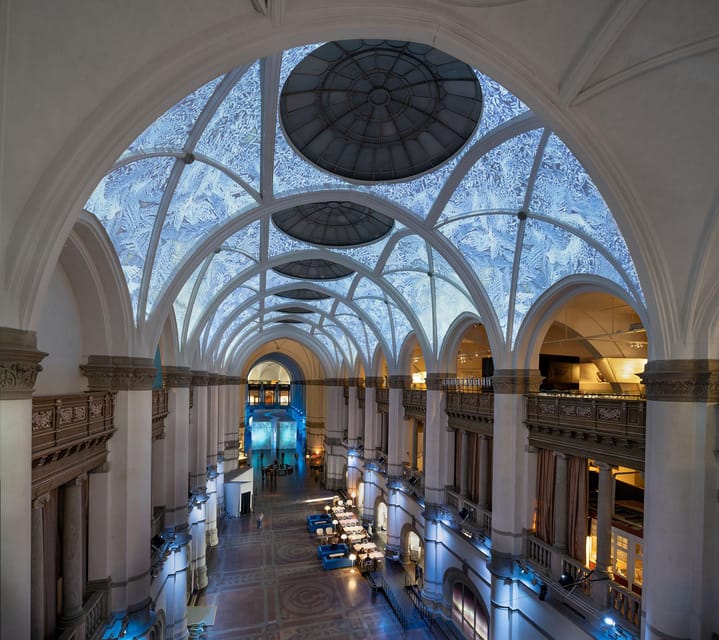
Table Settings follows feasts and dining customs across five centuries. It is one of the easiest sections to enjoy because food gives you an immediate way into the past.
A table tells you about more than eating. It can show social rank, family habits, celebrations, design preferences, and changing ideas about hospitality. You can look at the arrangement and ask who the meal was for, how formal it was, and what the setting says about the people using it.
This section suits families and mixed-interest groups because you do not need specialist background to appreciate it. It also pairs well with the homes and family material in Nordic Life.
If you are short on time, Table Settings is a smart stop. It offers a focused story and a visual subject, so you can get something worthwhile without committing to every display in the building.
Fashion, a 1940s flat, and miniature homes
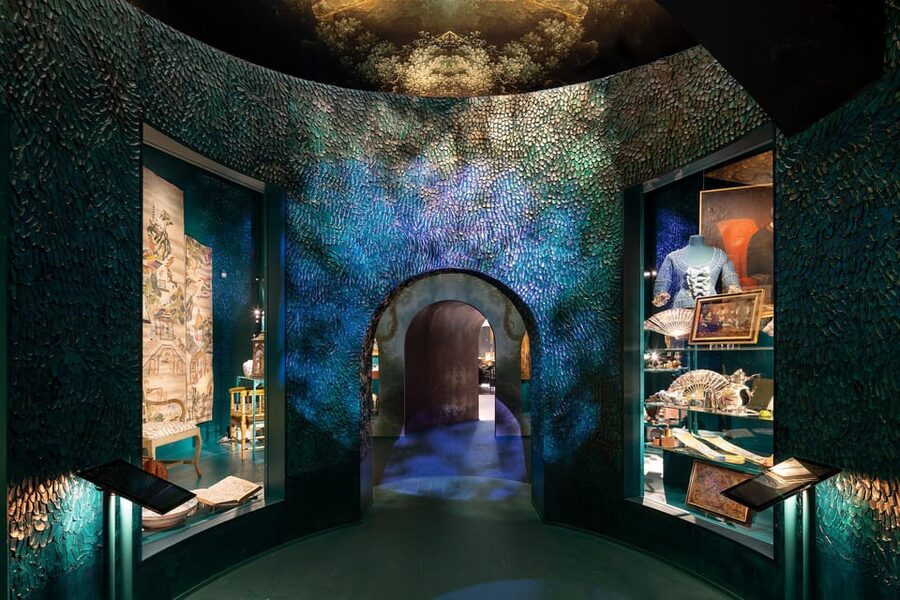
British; Ever so Nordic examines Nordic fashion and lifestyle through British patterns. The title points to a cultural exchange, which adds a useful reminder that Nordic identity has never developed in isolation.
This section may appeal most if you are interested in clothing, interiors, or design. It shows how outside influences can be adapted into a local style rather than simply copied.
The 1940s Flat takes you into a home from 1947. A period interior helps turn the past into something you can picture room by room. Instead of learning about the 1940s only through dates and events, you get a sense of domestic surroundings and the way a home was arranged.
Dollhouses presents eight homes in miniature. This is a natural stop for families, but adults who enjoy architecture and interiors should not skip it. Small-scale rooms let you compare different ideas about home design quickly. The exhibit also gives you a clear reminder that a home can express values, habits, and social expectations.
Together, these three sections add variety. Fashion brings in style and outside influence. The flat provides a full domestic setting. Dollhouses compress the subject into miniature form.
How to use the audio guide and phone text
An audio guide is available in Swedish and English in selected exhibitions. Bring your own headphones, since they are not supplied as part of the ticket information.
You can also use guide.nordiskamuseet.se to read the texts and screens in Nordic Life on your phone. This is useful if you prefer silent reading, want to go back to a display, or are visiting with someone who uses a different pace.
Because no personal guide is included, your choice of format matters. The audio guide can help you stay focused as you move through selected displays. The phone guide gives you more control, but you will need to keep your phone charged and manage your own reading.
I would not try to use every option at once. Pick audio for the sections where you want a spoken explanation, then use the phone text for displays you want to study more closely.
Is the $19 ticket good value?
At $19 per person, this is a reasonable museum ticket if you have an interest in Nordic culture and can spend several hours inside. The ticket is valid for one day, which gives you flexibility and makes the price easier to justify than a very short, single-room attraction.
The value comes from the range. You get the large Nordic Life exhibition plus access to The Arctic, Table Settings, British; Ever so Nordic, The 1940s Flat, and Dollhouses. These subjects are different enough that the visit does not depend on one favorite theme.
The ticket is less attractive if you want a guided experience or a quick introduction that takes less than an hour. There is no included guide, and the museum asks you to use the audio guide or phone text for extra explanation.
I would call it particularly good value for a rainy day, a museum-focused day on Djurgården, or anyone who wants cultural context beyond Stockholm’s best-known sights. The restaurant and shop also let you extend the visit without immediately moving on.
Lunch, Swedish fika, and the museum shop
The restaurant serves lunch courses each day, along with Swedish fika and drinks. Fika gives you a simple way to pause after the galleries, especially if you plan to use the full day.
Do not bring your own food or drinks into the museum. The practical detail to remember is that the museum is cash-free, including the restaurant and shop, so carry a card.
The shop offers Nordic everyday goods and crafts. It can be a useful final stop because the products connect with the museum’s focus on practical design and daily life. You will find more meaning in the shop after seeing the exhibitions, since you can compare modern goods with the older objects on display.
Who will enjoy Nordiska Museet most?
I would choose this museum for you if you enjoy:
- Social and cultural history rather than only famous people and major events
- Homes, interiors, clothing, food, and design
- Exhibits that compare several centuries
- Self-guided visits with time to pause and read
- A museum stop that works for a broad range of interests
Families may find Dollhouses and Table Settings especially approachable. Design fans should look closely at British; Ever so Nordic and the domestic displays. Anyone interested in climate and northern cultures should set aside time for The Arctic.
You may want to skip it if your Stockholm schedule is extremely tight, you dislike reading museum displays, or you need a fully guided experience. Since the ticket covers a large museum, a rushed visit will leave you with only a thin impression.
Practical advice for your visit
Plan for a full museum visit rather than a quick entry. The ticket lasts one day, but the amount of material means you should choose priorities before you arrive.
I would begin with Nordic Life, then move to the exhibitions that match your interests. If you like environmental subjects, go to The Arctic next. If you prefer interiors and domestic life, choose The 1940s Flat and Dollhouses. Table Settings is an easy section to fit in between larger themes.
Bring headphones if you plan to use the audio guide. Do not arrive with oversize luggage or large bags, and leave food and drinks outside the museum. The museum is wheelchair accessible, which makes it a practical choice for many different itineraries.
Cancellation is free up to 24 hours before the visit, and the reserve now, pay later option can help you keep your plans flexible. Check availability for the current starting times when booking.
Should you book this museum ticket?
Book it if you want a detailed look at how people in Sweden and the Nordic countries lived from the 16th century to today. The combination of Nordic Life, The Arctic, Table Settings, the 1940s Flat, fashion, and dollhouses gives you more range than a single-theme museum.
The ticket is best for a self-guided day, not a fast stop or a guided tour. At $19, it offers solid value when you use the full day, bring headphones, and take time with the displays. If ordinary homes, meals, clothing, and family life interest you, Nordiska Museet is a worthwhile addition to Royal Djurgården.
FAQ
How long is the Nordiska Museet ticket valid?
The entry ticket is valid for one day.
What exhibitions are included?
The ticket includes Nordic Life, The Arctic, Table Settings, British; Ever so Nordic, The 1940s Flat, and Dollhouses.
Is a guide included with the ticket?
No. The ticket includes museum entry only. Audio guides are available in Swedish and English in selected exhibitions.
Can I read the Nordic Life exhibition information on my phone?
Yes. Exhibition texts and screens in Nordic Life are available through guide.nordiskamuseet.se.
Should I bring headphones?
Yes. Bring your own headphones if you plan to use the audio guide.
Is Nordiska Museet wheelchair accessible?
Yes, the museum is wheelchair accessible.
Can I pay with cash at the museum?
No. Nordiska Museet is cash-free. You can pay by credit or debit card in the museum shop and restaurant.
Can I bring food, drinks, or large luggage?
No. Food, drinks, oversize luggage, and large bags are not allowed.
Just added around Stockholm
- From Stockholm: Archipelago Hike to Landsort Lighthouse★ 5.0 · 26 reviews
- Stockholm: Sigtuna and Uppsala Viking History Day Tour★ 4.7 · 41 reviews
- Private Golden Hour Photo Walk in Stockholm★ 5.0 · 3 reviews
- Best of Stockholm: Private Walking Tour with a Local★ 4.6 · 5 reviews
- Stockholm must see: City Hall, Gamla Stan and Vasa Museum★ 5.0 · 23 reviews
- Stockholm’s Best Pub Crawl★ 5.0 · 53 reviews
- Bloody Stockholm 2h – ghosts, horror and Dark Folklore Tour★ 5.0 · 14 reviews
- Stockholm: Underground Metro Art Ride with a Local★ 4.5 · 18 reviews
Tours in Stockholm, compared.

City Archipelago Sightseeing Cruise with Guide
Read our review →

Stockholm Pass: Save up to 50% – Includes Vasa Museum Ticket
Read our review →

The Original Stockholm Ghost Walk and Historical Tour – Gamla Stan
Read our review →Browse the lists this tour appears in