
Reviewed · HIKING & TREKKING
Stockholm: Winter Snowshoe Full-Day Hike
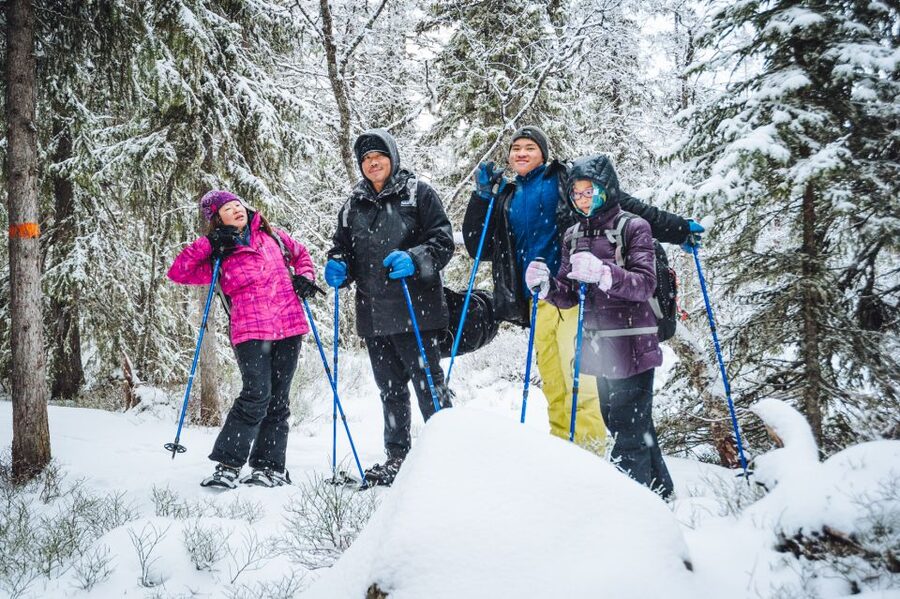
Stockholm’s best winter surprise may be just outside the city: a small-group hike across snowy forest and frozen lakes, with deer tracks underfoot and a campfire lunch waiting halfway through. I like the personal scale, with no more than eight people, and the way guides such as Tigo, Eric, and George mix nature facts with Swedish culture. The organic food and included dry bags are useful touches, too.
The main caution is snow. If conditions are poor, you’ll use ice grips instead of snowshoes, so the outing may become a winter forest hike rather than the full snowshoe experience. The meeting point is also central but not a hotel pickup for every address, and you’ll need to bring nearly all your own warm clothing and boots.
Key points to know before you book
- Snow conditions decide the equipment: Deep snow means snowshoes, while thin snow or ice means grips under your regular hiking shoes.
- The group stays small: A maximum of eight people makes it easier to ask questions and keep a steady pace.
- The campfire lunch is part of the appeal: Organic restaurant food is served outdoors, with time to warm up and learn fire skills.
- The setting is close to Stockholm: A minivan transfer takes you from the city meeting point to the best available winter area.
- Guides add more than directions: Tigo, Eric, and George have been praised for explaining Swedish nature, wildlife, culture, and outdoor skills.
- Pack for wet cold: Bring a waterproof shell, thermal layers, hat, gloves, scarf, ski pants or similar trousers, and an extra pair of socks.
From Stockholm streets to frozen forest
The day begins at a meeting point about a 10-minute walk from either Skanstull metro station on the green line or Mariatorget on the red line. Stockholm Södra commuter rail station is about eight minutes away on foot. That makes the start reasonably easy to reach, but you should allow time to walk there with your winter gear.
From the city, you ride by minivan toward the best snow-covered area available that day. This is a practical arrangement for Stockholm, where snow can vary sharply from one week to the next. Instead of locking the group into one fixed trail, the guide can choose a suitable starting point based on current conditions.
The tour is listed as lasting seven hours, while the description also refers to an eight-hour adventure. Either way, treat it as a full-day outing. You are not squeezing in a quick hour of snow play before lunch. The minivan ride, safety briefing, forest hike, meal stop, second walking section, and return transfer take most of the day.
A group limit of eight matters here. Winter walking requires more attention than a stroll through a city park, and a smaller party gives the guide a better chance to watch everyone’s footing. It also keeps the outing social without turning it into a large procession.
Other walks out of town from Stockholm:
- Stockholm: Sunset Hike in Tyresta National Park with Meal
★ 4.8 · 126 reviews - Stockholm: Sunset Hike in Tyresta National Park with Meal
★ 5.0 · 79 reviews - Stockholm: Nature Reserve Hiking Tour with Campfire Lunch
★ 5.0 · 57 reviews
Learning to walk on snow and ice
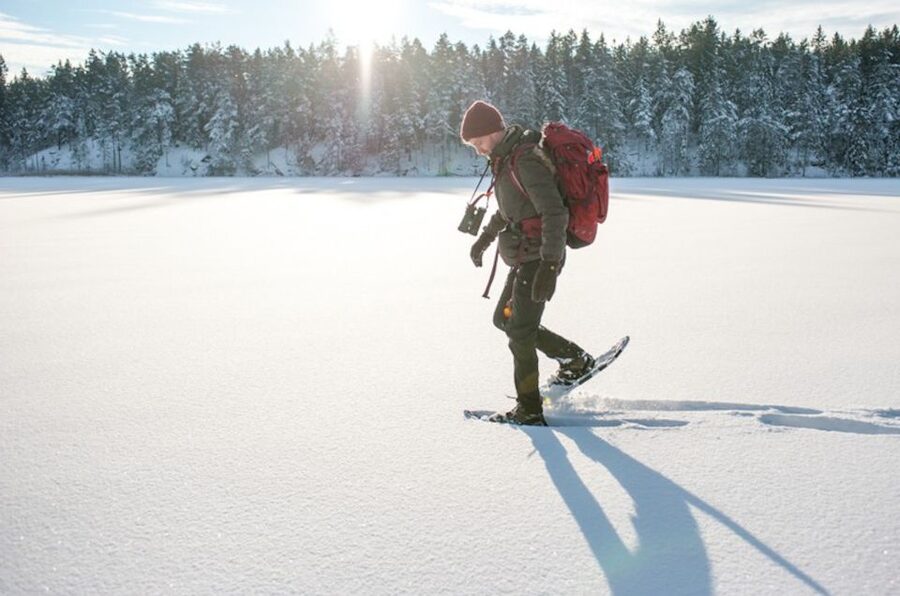
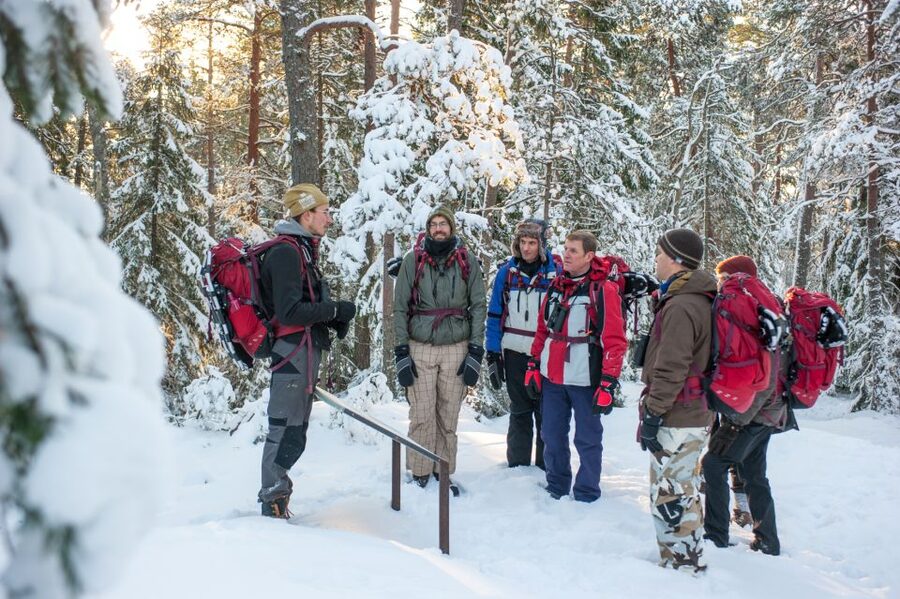
At the trailhead, your guide explains how to use the equipment and how to move over snow and ice. Snowshoes spread your weight over a larger area, helping you stay on top of soft snow. They also change your stride, so the first part of the hike is about finding a comfortable rhythm rather than racing ahead.
If the snow is not deep enough, the group uses ice grips under shoes instead. That is an important detail for anyone booking specifically to try snowshoeing. You may get the snowy forest setting without the classic wide-foot snowshoe walk, and the trip description is clear that this change can happen.
The guide also gives safety instructions before the group sets off. You agree to take full responsibility for accidents when booking, so this is not a casual substitute for proper footwear and sensible clothing. You need to pay attention to the briefing, keep your feet warm and dry, and walk at a pace you can manage.
I like that the technique is taught on the spot. You do not need prior snowshoe experience, and the activity is designed to show you how to walk on snow and ice. Still, this is a hiking day, not a short introductory demonstration. If you dislike uneven ground, cold weather, or a steady outdoor pace, choose a warmer Stockholm activity instead.
Snow-covered trees, animal tracks, and frozen water
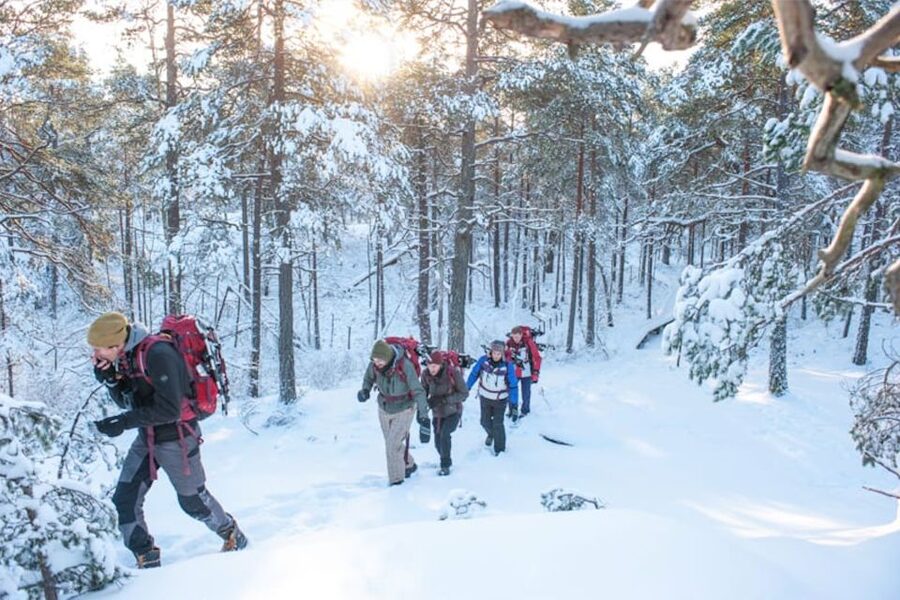
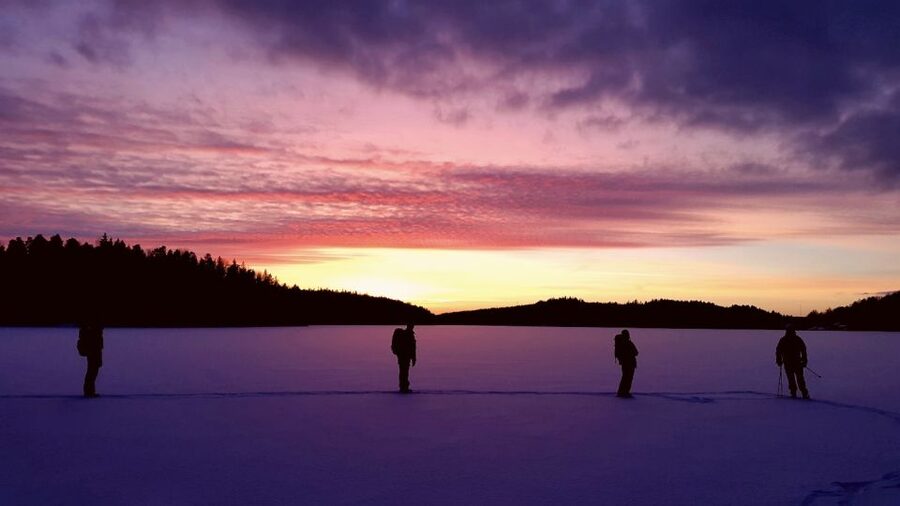
Once the group gets moving, the main reward is the change of scenery. You leave the city behind for snow-covered trees, quiet forest, and frozen lakes. The exact route depends on the conditions, but the appeal is consistent: you get a close look at Swedish winter nature without spending hours reaching a remote national park.
Keep your eyes on the ground as well as the trees. The route can include deer tracks in the snow, giving the guide a natural way to explain local wildlife and the wider ecosystem. You may also learn how winter affects animals and plants, along with the practical signs that show what has passed through the area.
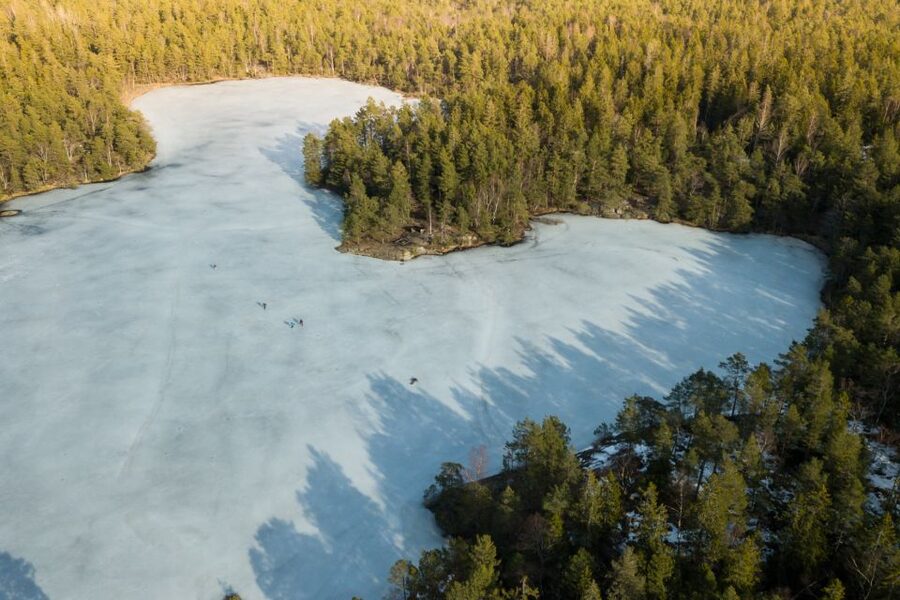
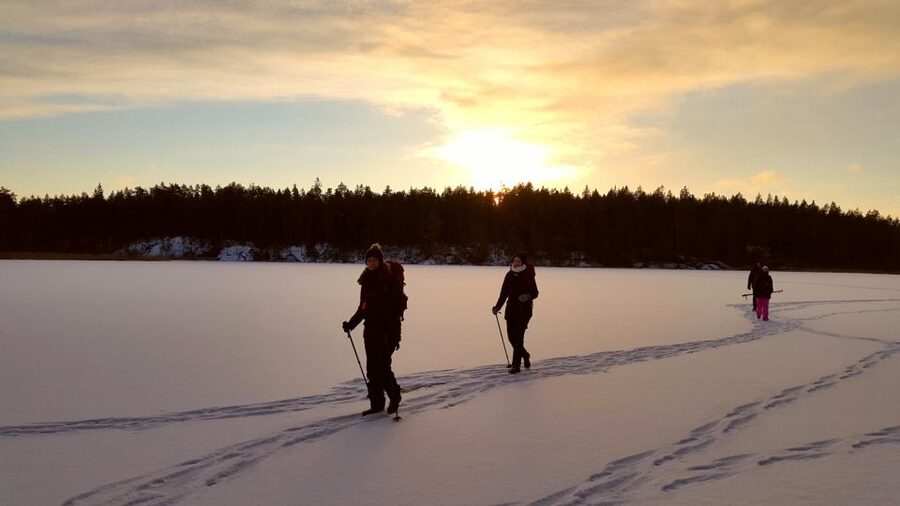
The frozen lakes are the day’s most striking feature. Walking across ice is very different from following a normal trail, and the guide’s instructions matter here. The experience offers a chance to see ice and snow as part of the route, not simply as scenery viewed from a warm vehicle.
Weather can shape the mood. A clear, snowy day may bring the classic white winter setting you hoped for. Wet or low-snow conditions can look less polished, but the outing still has a purpose because the focus is on outdoor skills, Swedish nature, and time in the woods. One guide, George, has been praised for keeping the group included even when English ability varied, which is helpful on an activity built around explanation and conversation.
Guides who make the woods easier to read
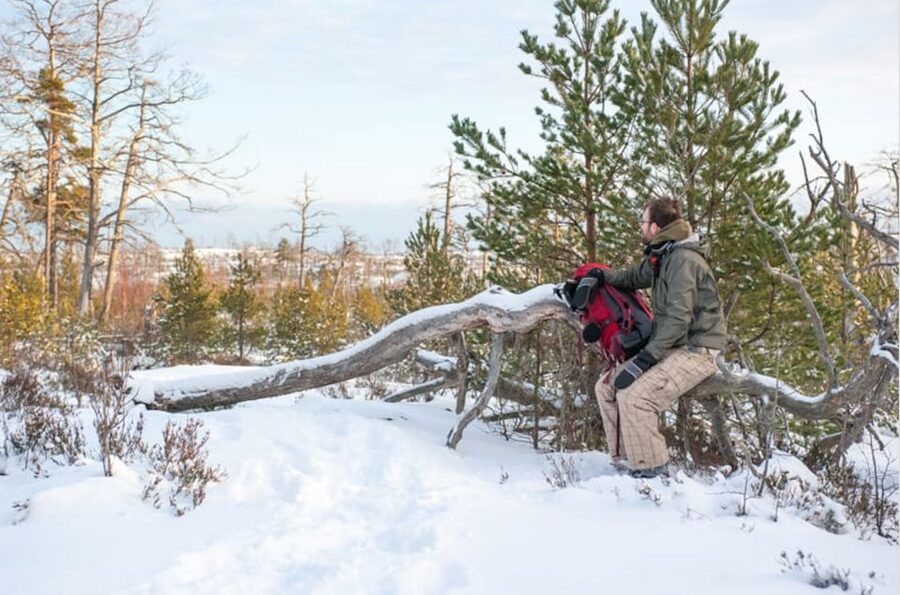
The guide is central to the quality of this experience. Tigo has been described as friendly and very good at explaining Swedish nature and culture. Eric has been praised for his energy, clear explanations, and ability to keep the group in a good mood despite poor weather. George has been noted for making sure everyone could follow along.
Those details tell you what to expect from the guiding style. This is not simply a route-finding service. You can ask questions about Swedish animals, forests, outdoor customs, and the local ecosystem as you walk. The guide is also the person who adapts the day when snow levels or weather do not cooperate.
The official languages are English and Swedish. A small group helps here, since you can ask for clarification without trying to speak over a large crowd. If you have a specific concern about walking on ice or using snowshoes, raise it early rather than waiting until the group is underway.
I especially like the mix of nature and culture. You are not only looking at trees and frozen water. You also get context about how people in Sweden understand and use the outdoors. That gives the hike more substance than a photo stop in the snow.
Other cold-weather days around Stockholm:
- Stockholm: Winter Kayaking, Swedish Fika and hot Sauna Experience
★ 5.0 · 156 reviews - Stockholm: Ice Skating in the Moonlight with Hot Chocolate
★ 4.8 · 92 reviews - Beginner friendly Nordic Ice Skating On lakes in Stockholm
★ 5.0 · 75 reviews - Ice Climbing Experience with Certified Guide
★ 5.0 · 204 reviews
Lunch beside the fire
The midday campfire stop gives the day its welcome change of pace. You eat an organically produced restaurant meal outdoors, with the fire providing warmth and a natural place to gather. This is more than a standard packed lunch eaten while standing in a parking area.
You can also learn how to make the fire. That small practical lesson adds a useful skill to the day and helps explain why the stop takes time. After walking in cold conditions, a hot meal and a chance to warm your hands can make the second half much more enjoyable.
The food is one of the strongest reasons the price feels reasonable. You are paying for a full-day guided outing, transport, safety equipment, and lunch, rather than just access to snowshoes. The meal also fits the outdoor setting better than a rushed café stop would.
Bring your own water unless the operator tells you otherwise, since no separate beverage details are provided. Keep food and personal items in the supplied dry bags when needed. The bags are especially useful if snow or wet ground makes your clothing damp.
The second half and return to Stockholm
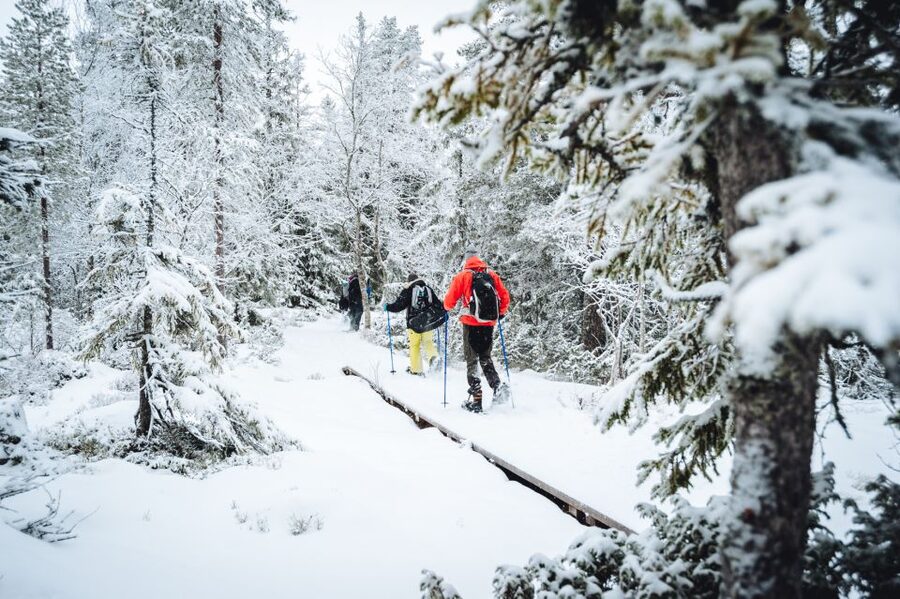
After lunch, the group continues through more forest and winter scenery. The pace gives you time to settle into the equipment and notice details you may have missed during the first hour. You might find the second section easier because you understand the snowshoes or ice grips better by then.
The route is not presented as a race or a technical expedition. It is a guided nature hike with instruction, conversation, and stops. Even so, seven hours outside can feel long if your clothes are not up to the task. Cold feet or wet gloves will affect your enjoyment far more than the number of scenic viewpoints.
At the end of the walking portion, the minivan takes the group back to the original meeting point. The activity ends there, not at a separate Stockholm attraction. Plan your evening with some flexibility, since the exact timing can depend on the route and conditions.
The central return point is convenient if you are staying near Södermalm or using public transport. One practical improvement would be door-to-door pickup for people staying close to the city center, but the current meeting point is still easy to reach by metro and commuter train.
What to wear and pack for a wet winter day
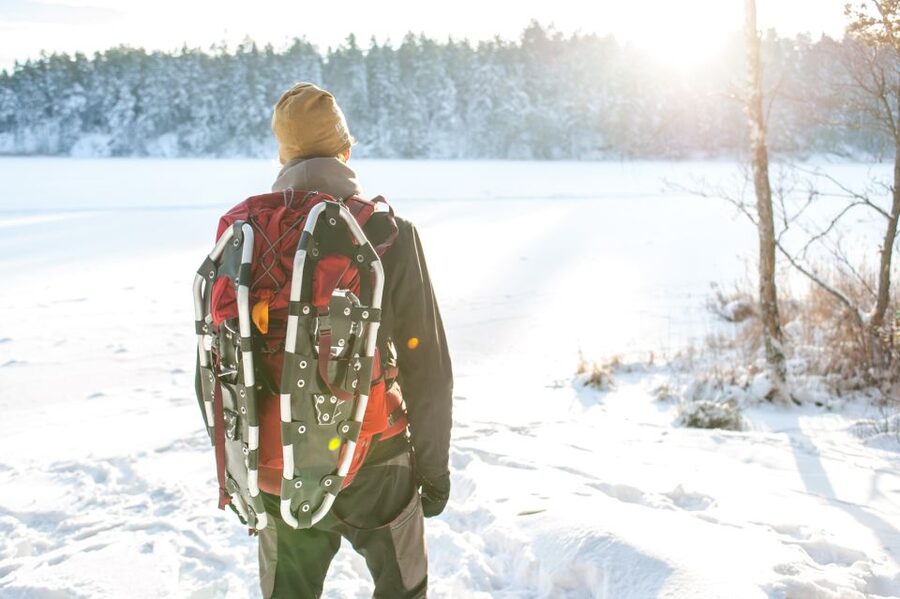
Clothing is not included, and this is the area where you should take the instructions seriously. You need a warm sweater and a waterproof or windproof shell layer. Add a hat, gloves, scarf, ski pants or thermal leggings with trousers, and an extra pair of socks.
Hiking boots are also not included. Wear footwear suitable for cold, wet outdoor conditions. The activity supplies high-quality safety equipment, but that does not replace warm socks, insulated clothing, or boots that keep moisture out.
An extra pair of socks is one of the best pieces of advice here. Snow, ice, and changing temperatures can make feet wet even when the day begins dry. Put the spare pair in a protected bag, not loose in an outer pocket.
You should also dress in layers. A warm base and mid-layer help during the walking sections, while a shell gives protection from wind, snow, and damp conditions. You can remove a layer while moving and put it back on at the campfire.
The supplied dry bags protect personal items, but do not treat them as a substitute for sensible packing. Keep phones, cameras, and spare clothing secure and dry. The operator does not list clothing rental, so arrive prepared rather than hoping equipment can be borrowed.
Is $176 a fair price?
At $176 per person, this is not a cheap add-on. The value depends on how much you want a guided winter day rather than a self-planned walk.
The price includes pickup and drop-off from the meeting point, transport to the selected outdoor area, a guide, snow and ice safety equipment, dry bags, and an organic lunch. You also get several hours of instruction and nature interpretation. If you would otherwise need to rent equipment, arrange transport, plan a route, and find a suitable place to eat outdoors, the package becomes easier to justify.
The small group improves the value. A maximum of eight people should give you more personal contact than a large coach outing, and the guide can respond to questions and adjust explanations to the group. The food and campfire also make the day feel like a complete experience rather than a basic equipment rental.
The value drops if your main goal is guaranteed snowshoeing. Low snow can mean ice grips and an ordinary hike. That alternative can still be beautiful, as the forest and frozen water remain part of the day, but you should book with an open mind about the exact equipment.
Free cancellation up to 24 hours before the activity and the option to reserve now and pay later add useful flexibility. They do not remove the weather risk, but they make it easier to fit the outing into a changeable Stockholm schedule.
Who should book this Stockholm winter hike?
I would choose this for you if you want active time outdoors, like learning as you walk, and do not mind spending most of a day in cold weather. It suits couples, friends, solo visitors, and families with older children who can manage a long outdoor outing. A nine-year-old has enjoyed the experience, but the operator does not provide a formal minimum age in the supplied details.
It also works well if you want more than postcard views. The wildlife tracks, ecosystem explanations, fire-making lesson, and Swedish culture discussion give the day an educational side without turning it into a classroom.
I would hesitate if you need a guaranteed snowshoe trip, dislike changing weather, or have limited winter clothing. I would also skip it if you only have a few hours in Stockholm. The central meeting point is convenient, but the full outing still takes most of a day.
Should you book it?
Book this if you want a small, active winter day with a real forest setting, a campfire lunch, and a guide who can explain what you are seeing. The strongest parts are the personal group size, the chance to walk on frozen lakes, and the practical outdoor instruction.
Book with realistic expectations about snow. The tour can turn into a forest hike with ice grips, and the weather may be wet rather than picture-perfect. If you bring serious winter clothing and value the setting, food, and guiding as much as the snowshoes themselves, $176 is a fair price for a full day close to Stockholm.
FAQ
How long does the Stockholm snowshoe hike last?
The activity is listed as lasting seven hours. Its description also refers to an eight-hour adventure, so you should plan for a full day and allow flexibility around the exact return time.
Where does the activity start?
The meeting point is about a 10-minute walk from Skanstull metro station and Mariatorget metro station. It is also about an eight-minute walk from Stockholm Södra commuter train station.
Where does the activity end?
The minivan returns you to the original meeting point in Stockholm.
Is transportation included?
Yes. Pickup and drop-off at the stated meeting point, along with the transfer to and from the hiking area, are included.
What happens if there is not enough snow?
The group uses ice grips under shoes instead of snowshoes when snow levels are insufficient.
Do I need previous snowshoe experience?
No previous experience is stated as a requirement. The guide gives safety instructions and teaches you how to walk on snow and ice.
What clothing should I bring?
Bring a warm sweater, waterproof shell jacket, hat, gloves, scarf, ski pants or thermal leggings with trousers, and an extra pair of socks. Hiking boots are also your responsibility.
Is lunch included?
Yes. An organically produced restaurant meal is included and served at a campfire during the hike.
What languages are offered?
The tour is offered in English and Swedish.
Just added around Stockholm
- From Stockholm: Archipelago Hike to Landsort Lighthouse★ 5.0 · 26 reviews
- Stockholm: Sigtuna and Uppsala Viking History Day Tour★ 4.7 · 41 reviews
- Private Golden Hour Photo Walk in Stockholm★ 5.0 · 3 reviews
- Best of Stockholm: Private Walking Tour with a Local★ 4.6 · 5 reviews
- Stockholm: Fat Bike Forest Adventure with Lunch and Sauna★ 4.9 · 22 reviews
- Stockholm’s Best Bike Tour! (English / Deutsch)★ 4.9 · 49 reviews
- Stockholm’s Best Pub Crawl★ 4.5 · 134 reviews
- City Hall, Old Town & Vasa Museum – all-in-1 guided experience★ 5.0 · 38 reviews
Hiking & Trekking, compared.
Abisko National Park: Scenic Morning Hike with Transfer
Read our review →
Sunset Hike in Tyresta National Park with Meal
Read our review →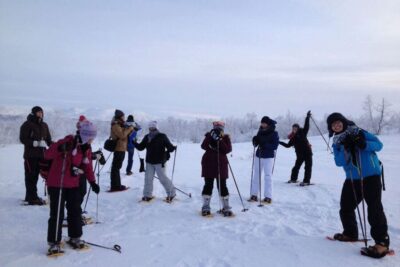
Browse the lists this tour appears in